

Henrik Aulbach ist erfahrener Gesundheitsredakteur mit über 10 Jahren Erfahrung, Experte für pflanzliche Wirkstoffe und Kultivierung, Co-Gründer, Buchautor und selbstständiger Fachtexter im Gesundheitswesen seit 2020.
Erfahren Sie hier mehr über diesen Autor.

Kräutergarten Küche in der Klostermedizin
Kräutergarten Küche - Pflanzliche Liebe Zuhause
Frisches Basilikum oder Schnittlauch: Kräuter geben vielen Gerichten geschmacklich und optisch den letzten Pepp. Liebevoll auf dem Tel...

Hildegards Tipp:
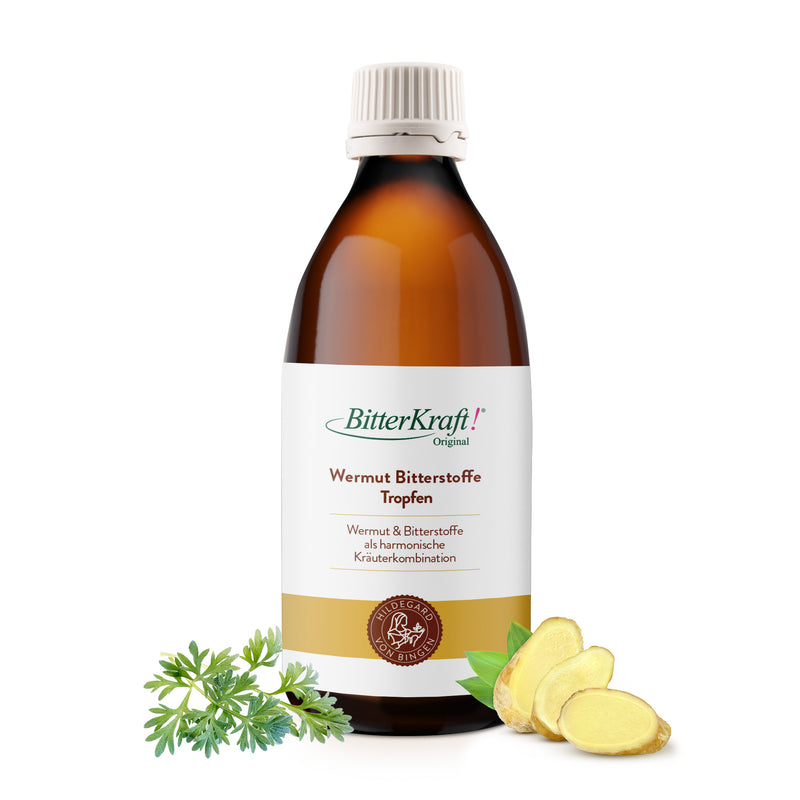
- Erlesene Bittertropfen mit Wermuth nach Hildegard Von Bingen
- Rezeptur auf Basis von 800 Jahren Klosterwissen
- Bitterkraft – der Pionier seit 1996 von 4.000 Heilpraktikern verwendet!
- Beste Naturheilkunde: Bio & vegan
Kräutergarten Küche - Pflanzliche Liebe Zuhause
Frisches Basilikum oder Schnittlauch: Kräuter geben vielen Gerichten geschmacklich und optisch den letzten Pepp. Liebevoll auf dem Teller angerichtet, wird das Essen mit etwas Grün zu einem wahren Augenschmaus. Durch ihren Gehalt an gesunden Inhaltsstoffen finden sich noch weitere gute Gründe, die Speisen mit Kräutern zu verfeinern. Besonders praktisch ist es, wenn sich die Pflanzen bereits beim Kochen und der Speisenzubereitung direkt in unmittelbarer Nähe befinden – ein eigener Kräutergarten in der Küche kommt Ihnen dabei entgegen.
5 Gründe für einen Kräutergarten in der Küche
Ein Kräutergarten in der Küche vereinfacht die Speisenzubereitung ungemein. Sie haben die Kräuter direkt dort zur Hand, wo Sie sie benötigen. Außerdem hat nicht jeder einen eigenen Garten oder Balkon, um dort Pflanzen anzubauen. Für Mietwohnungen und/oder beengte Platzverhältnisse stellt ein Kräutergarten in der Küche eine lohnende Alternative dar. Denn ein paar Kräutertöpfe finden in jeder noch so kleinen Küche Platz.
Ein eigener Kräutergarten in der Küche spart Ihnen den Weg in den Garten. Die benötigten Kräuter stehen in unmittelbarer Nähe und erinnern Sie direkt daran, benutzt zu werden. Zudem kann ein kücheneigener Kräutergarten im Gegensatz zum Garten oder Balkon mit einem entscheidenden Vorteil aufwarten: Sie greifen das ganze Jahr auf frische Kräuter zurück. Schnittlauch und Petersilie überstehen indoor auch die kalte Jahreszeit, wenn Sie sie im Herbst pflanzen.
Auch optisch macht ein Kräutergarten in der Küche allerhand her. Hier haben Sie zahlreiche Möglichkeiten, kreativ zu werden und individuelle Ideen umzusetzen. Ob Sie die Töpfe direkt an der Wand befestigen oder auf die Fensterbank stellen, bleibt Ihnen überlassen. Die 5 Gründe nochmal kurz und knapp:
- Vereinfacht Speisenzubereitung
- Kein Garten oder Balkon nötig
- Erspart den Weg in den Garten
- Ganzjährig frische Kräuter
- Schöne Optik für die Küche
Verschiedene Varianten des Kräutergartens in der Küche
Für Ihren Kräutergarten in der Küche können Sie beherzt auf zahlreiche Varianten und Methoden zurückgreifen. Prinzipiell haben Sie die Wahl, ob Sie die Kräuter lediglich auf der Fensterbank, an der Wand oder woanders stehen haben wollen. Für höhere Erträge gibt es Indoor Anbau-Zelte, in denen sommerliche Wetterbedingungen simuliert werden. Alternativ gibt es hydroponische Anbauanlagen für die Küche, in welcher die Pflanzen nicht in Erde, sondern in einem wässrigen Substrat wurzeln. Hierdurch ist die Sauerstoff- und Nährstoffaufnahme optimiert, was höhere Erträge und mehr pflanzliche Inhaltsstoffe bedingt. Am einfachsten ist klar der Kräutergarten auf der Fensterbank, am kompliziertesten der hydroponische Anbau.
Tipps für einen blühenden Kräutergarten in der Küche
Für einen Indoor-Kräutergarten bieten sich Kräutertöpfe für die Küche an, die Sie im Handel fertig kaufen können. Am besten besitzt das Gefäß Drainagen am Boden, damit Wasser ablaufen kann und keine Staunässe entsteht.
Besonders geeignet für einen Kräutergarten in der Küche sind folgende Pflanzen:
- Petersilie
- Schnittlauch
- Salbei
- Basilikum
- Oregano
- Rosmarin
- Thymian
- Kresse
- Pfefferminze
- Zitronenmelisse
- Koriander
Zunächst brauchen Sie für Ihre Küchenkräuter den passenden Stellplatz. Das kann auf dem Tisch, einem Regal, direkt an der Wand oder klassisch auf der Fensterbank sein. Die Kräuter sollten dabei rund sechs Stunden Licht am Tag erhalten und keiner Zugluft ausgesetzt sein. Südfenster eignen sich am besten für mediterrane Vertreter wie Basilikum. Kräuter, die den Halbschatten bevorzugen, sind an einem Ost- oder Westfenster gut aufgehoben. Achten Sie beim Aufstellen darauf, dass sich unter den Kräuterpflanzen nicht direkt ein Heizkörper befindet. Dann bekämen die Pflanzen im Winter zu viel Wärme.
Zum Gelingen braucht es indoor die richtige Temperatur. Sie sollte im Küchen-Kräutergarten bei durchschnittlich 18 Grad liegen. Beim Gießen sollten Sie die Vorliebe der jeweiligen Kräuter treffen und sie weder zu viel noch zu wenig wässern.
Woher die Kräuter für den Kräutergarten Küche beziehen?
Sie haben die Wahl, ob Sie die Kräuter aus den Samen selber ziehen wollen oder ob sie bereits hochgezogene Kräuter einfach übernehmen. Einfach ist klar die zweite Variante, zumal Kräuter im Discounter oder ähnlichen Läden nur wenig kosten. Diese Kräuter sind jedoch oft Turbo-Pflanzen, welche sich bspw. nicht ausreichend verwurzelt haben. Sie sollten die gezogenen Kräuter also möglichst schnell in einen größeren Topf umpflanzen, um lange etwas von ihnen zu haben. Starke Kräuter erkennen Sie im Laden an stark verzweigten und buschigen Trieben sowie einem dichten Wurzelstock.
Grüne Vielfalt: Entdecken Sie ungewöhnliche Kräuter für Ihren Küchengarten
Es gibt auch eine Reihe außergewöhnlicher Kräuter, welche sich gut in Ihrem Kräutergarten Küche schlagen würden. Die Kräuter sind so speziell, dass sie nicht allzu oft eingesetzt werden und folglich mit Bedacht gepflanzt werden sollten.
Zitronenverbene: Der angenehme Duft und erfrischende Geschmack machen jedes Getränk und jeden Salat sommerlicher.
Bohnenkraut: Insbesondere zu Bohnengerichten verleiht dieses Kraut einen intensiven Geschmack. Gut für Vegetarier und Veganer, die u. a. über Bohnen ihren Proteinbedarf decken.
Estragon: Sein strenger Geschmack verleiht Fisch, Geflügel und Salaten die besondere Restaurant-Note.
Borretsch: Die wunderschönen blauen Blüten können Sie für Garnierzwecke einsetzen. Ihre Gäste werden staunen, wenn sie wohlschmeckende Blüten auf Getränk und Speise entdecken.
Rucola: Diese Salatpflanze eignet sich perfekt für pfiffige Salate im Sommer. Bauen Sie gerne etwas mehr Rucola an, wenn Sie sich ausgiebige Schüsseln gönnen wollen.
Dill: Dieses Kraut wird besonders in skandinavischen Ländern Fisch und Kartoffeln beigefügt. Damit Sie hierzulande keinen tiefgekühlten Dill mehr kaufen müssen, können Sie ihn selbst im Kräutergarten Küche anpflanzen.
Bergbohnenkraut: Das aromatische Bergbohnenkraut kann Hülsenfrüchten und Kartoffeln die finale Note verleihen.
Stevia: Die natürliche Süßstoffpflanze kann als Alternative zu Zucker verwendet werden, bspw. in Tees. Die süßen Steviaglykoside imitieren die Struktur von Zucker und erzeugen ohne Kalorien einen süßen Geschmack.
Kräutergarten Küche: Häufig gestellte Fragen
Warum ist ein Kräutergarten in der Küche praktisch?
Sie haben jederzeit hochwertige Kräuter griffbereit, die Sie in naturheilkundliche Präparate oder Speisen einbauen können. Die Frische der Kräuter bringt viele Aromen mit sich, die beim Trocknen verloren gehen. Darüber hinaus sind in den frischen Kräutern mehr Pflanzenstoffe enthalten, die Ihnen zugutekommen können.
Wie erkenne ich im Laden qualitativ hochwertige Kräuterpflanzen für meinen Kräutergarten in der Küche?
Wichtig ist, dass Sie vitale und starke Pflanzen kaufen. Sie erkennen das zum einen daran, dass die Äste stark verzweigt und buschig sind. Wenn das Kraut eher locker und luftig aussieht, hat es nicht genug Kraft, ordentliche Dichte aufzubauen. Sie können probieren, das Kraut leicht aus seinem Topf zu heben. Wenn Sie hier einen stark verwurzelten Wurzelstock wahrnehmen, spricht das für die Pflanze. Oft sind Küchenkräuter in viel zu kleinen Töpfen, weshalb Sie die Kräuter direkt in größere Töpfe setzen sollten. Im selben Zuge lohnt es sich meistens, den Wurzelstock auszudünnen, damit er gesund nachwachsen kann.
Sollte ich meine Kräuter aus Samen ziehen oder bereits vorgezogene Kräuter kaufen?
Anfängern empfehlen wir auf jeden Fall den Kauf bereits vorgezogener Kräuter. Die Kräuter Zuhause gesund und frisch zu halten, ist bereits schwer genug. Da wollen Sie sich nicht zusätzlich die Arbeit rund um Aussaat, Keimung und Anzucht aufbürden.
Welche kreativen Möglichkeiten habe ich, meinen Kräutergarten in der Küche optisch ansprechend zu gestalten?
Spielen Sie hierfür idealerweise mit der Wuchsform, der Blattform und insbesondere den Farben der Blüten. Sie können bspw. farbliche Muster ganz nach Ihren Belieben zusammenstellen. Manche Heimgärtner arrangieren die Blüten so, dass sie die Farben des eigenen Lieblingsvereins darstellen.
Wie groß muss mein Kräutergarten in der Küche sein?
Das hängt ganz von Ihrer Küche, Ihren gewünschten Kräutern und der gewünschten Menge an Kräutern ab. Eine Fensterbank reicht für den Anfang in der Regel aus. Wenn Ihnen der Platz ausgeht, können Sie ein Hochbeet für die Fensterbank kaufen. Das ist quasi ein Schrank für Pflanzen, in dem Sie mehrere Kräuter übereinander platzieren können. Wollen Sie viele Kräuter anbauen und bspw. auch Tinkturen erzeugen, können Sie Beete für die Küche kaufen.
Darüber hinaus hängt der Platzbedarf natürlich auch davon ab, ob Sie bspw. hydroponisch anbauen wollen. Dann bräuchten Sie nochmal mehr Platz für die Technik.
Wir empfehlen, dass Sie langsam anfangen und sich mit zunehmendem Vergnügen mehr Pflanzen holen. Dann merken Sie ganz natürlich, wann Ihnen der Platz ausgeht.
Wie kann ich sicherstellen, dass meine eigenen Pflanzen auch wirklich frei von Schadstoffen sind?
Es gibt einige Punkte, die Sie hierfür beachten können:
Qualität der Erde / des Mediums: Hochwertige Erde, die erwiesenermaßen keine Schadstoffe enthält, trägt keine Schadstoffe an Ihre Pflanzen weiter.
Sauberes Wasser: Sind im Wasser Schadstoffe, nimmt die Pflanze diese auf. Gefiltertes Wasser kann hier eine Lösung sein.
Verzicht auf chemische Mittel: Verzichten Sie auf Herbizide, Pestizide und Fungizide im Kräutergarten, wenn Ihre Pflanze keine Schadstoffe aufnehmen sollen. Es gibt bspw. auch natürliche Schädlingsmittel, wie etwa Neemöl.
Ursprung der Pflanzen: Kaufen Sie nur hochwertige Pflanzen, bei denen Sie wissen, wo sie herkommen. Gewisse Anbieter verkaufen sicher Pflanzen mit Schadstoffen. Hilfreich ist hier das Bio-Siegel.
Inspektionen: Schauen Sie regelmäßig nach, ob Schädlinge oder Schadstoffe Krankheiten auslösen.
Erntezeitpunkt: Ernten Sie zum richtigen Zeitpunkt. Es gibt Methoden wie das Spülen, bei dem Schadstoffe aus Pflanzen gespült werden können.
Reinigung: Reinigen Sie die Kräuter vor Gebrauch ausgiebig, auch wenn sie aus dem eigenen Kräutergarten stammen.

Über den Autor Henrik Aulbach
Weitere Artikel
Magenbitterstoffe vor dem Essen: Warum die Reihenfolge entscheidend ist
Magenbitterstoffe vor dem Essen » Nach Hildegard von Bingen ✓ Ohne Zusatzstoffe ✓ Made in Germany – Jetzt mehr erfahren
Bitterstoffreiche Smoothies: Grüne Rezepte für den Verdauungsstart am Morgen
Bitterstoff-Smoothies für den Morgen » Nach Hildegard von Bingen ✓ Vegan ✓ Ohne Zusatzstoffe – Jetzt Rezepte entdecken!
Hildegard von Bingens Dinkelrezepte für eine gesunde Verdauung
Hildegard von Bingens Dinkelrezepte » Nach Hildegard von Bingen ✓ Ohne Zusatzstoffe ✓ Biozertifiziert – Jetzt entdecken