

Henrik Aulbach ist erfahrener Gesundheitsredakteur mit über 10 Jahren Erfahrung, Experte für pflanzliche Wirkstoffe und Kultivierung, Co-Gründer, Buchautor und selbstständiger Fachtexter im Gesundheitswesen seit 2020.
Erfahren Sie hier mehr über diesen Autor.

Kräutertöpfe in der Küche stehen Ihnen das ganze Jahr über direkt griffbereit zur Verfügung. Da die meisten Kräuter relativ pflegeleicht sind, gedeihen sie auch im Innenraum auf einer Fensterbank ideal.
Kräuter, die sehr empfindlich auf Kälte reagieren wie Rosmarin und Basilikum, laufen im Beet Gefahr, im Frühjahr noch Frost abzubekommen. Der Anbau im Innenraum bietet dazu eine gute Alternative. Und wer erst gar keinen Garten oder Balkon besitzt, kann seine Kräutertöpfe ohnehin nur in der Küche oder einem anderen Raum platzieren.
Kräuter in der Küche in einzelne Töpfe zu pflanzen, statt in einer einzigen großen Pflanzschale unterzubringen, hat den Vorteil, dass Sie sich keine Gedanken darüber machen brauchen, welche Pflanzen miteinander klarkommen. So vertragen sich beispielsweise Petersilie und Wermut nur schlecht mit anderen Pflanzen – als einzelne Kräutertöpfe in der Küche sind sie dagegen gut aufgehoben.

Hildegards Tipp:
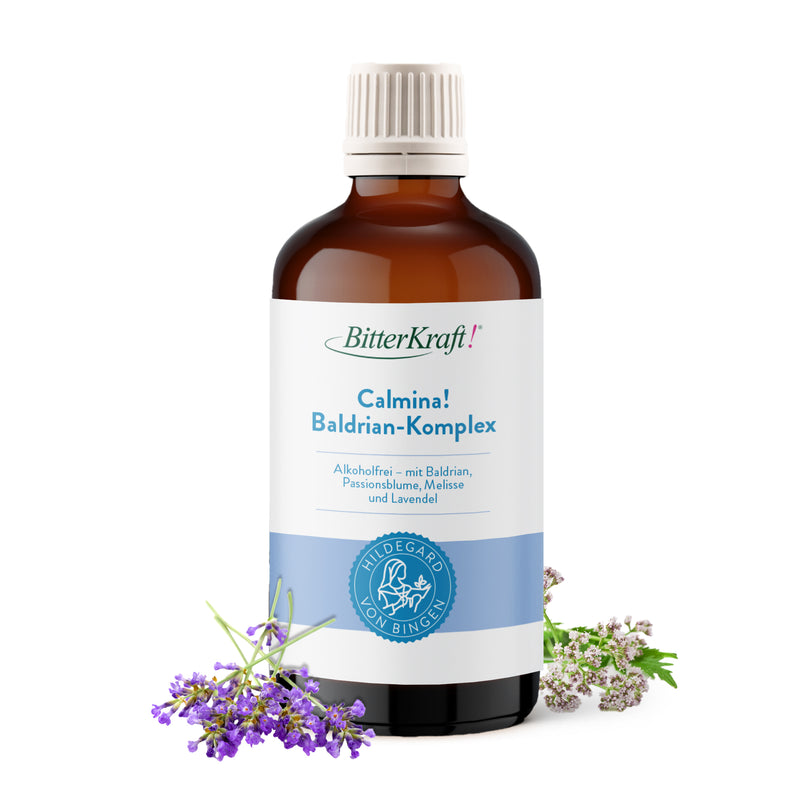
- Fein abgestimmtes Nahrungsergänzungsmittel mit Baldrian, Lavendel, Passionsblume & Hopfen
- Rezeptur auf Basis von 800 Jahren Klosterwissen
- Bitterkraft – der Pionier seit 1996 von 4.000 Heilpraktikern verwendet!
- Beste Naturheilkunde: Bio & vegan
Geeignete Gefäße
Als Kräutertöpfe für die Küche kommen verschiedene Gefäße infrage, die jeweils mit spezifischen Vor- und Nachteilen verbunden sind.
Kräutertöpfe aus Ton für die Küche
Besonders schön anzusehen sind Kräutertöpfe in der Küche, die aus Ton bestehen wie beispielsweise Terrakotta-Modelle. Diese Töpfe speichern das Wasser sehr gut. Auch Staunässe, womit viele Kräuter nur schlecht oder gar nicht umgehen können, entsteht darin seltener.
Kräutertöpfe aus Plastik für die Küche
Wenn Sie Kräuterpflanzen kaufen, befinden sich diese meist in einem einfachen Topf aus Kunststoff. Diese Kunststoffgefäße haben den Vorteil, dass das Wasser darin sehr schnell verdunstet. Außerdem sind Plastik-Kräutertöpfe für die Küche recht preisgünstig, robust und langlebig – gute Voraussetzungen für einen ertragreichen Kräutergarten in der Küche. Allerdings erhöht sich in diesen Gefäßen die Bildung von Staunässe.
Kräutertöpfe aus Metall für die Küche
Aus Metall bestehende Kräutertöpfe sind für eine lange Nutzungsdauer ausgelegt, schließlich liegt ihr großer Vorteil in ihrer Robustheit. Ein fester Stellplatz in der Küche wirkt sich bei Metall-Gefäßen positiv aus, denn diese Kräutertöpfe sind recht schwer. Zusätzlich fangen die Gefäße leicht an zu rosten. Für die Kräuter ist von Nachteil, dass es in Töpfen aus Metall schnell zu Staunässe kommt.
Alternative Kräutertöpfe für die Küche
Bei der Auswahl der Kräutertöpfe für die Küche können Sie auch kreativ werden und hübsche Alternativen auswählen. Zum Bepflanzen eignen sich vor allem Kräuter mit relativ wenig Ansprüchen. Beispiele für Gefäße, die Sie problemlos als Töpfe für krautige Pflanzen nutzen können, sind Konservendosen und ausrangierte Gummistiefel.
Wichtige Anforderungen an Kräutertöpfe für die Küche
Damit sich Ihre Kräuter in ihren Behältnissen wohlfühlen und Ihnen zu einer reichen Ernte verhelfen, sollten die Kräutertöpfe für die Küche einige Bedingungen erfüllen:
Die Töpfe sollten groß genug sein, damit die Pflanzen darin ausreichend Platz zum Wurzeln finden. Wachsen die Kräuter rasch, wird es im Topf bald zu beengt. In diesem Fall sollten Sie sie in ein größeres Gefäß umtopfen. Das ist vor allem bei mehrjährigen Kräutern der Fall.
Kräuter mögen keine Staunässe. Aus diesem Grund sind Kräutertöpfe für die Küche die beste Wahl, die bereits mit fertigen Löchern zum Abfließen von Wasser ausgestattet sind. Andernfalls lässt sich in den Topf auch eine Drainage selbst einbringen. Legen Sie dafür am Topfboden Kieselsteine oder groben Sand aus, in den das Wasser einsickern kann. Die Erde verteilen Sie dann über der Sand- bzw. Steinschicht. Alternativ können Sie in die Küchen-Kräutertöpfe natürlich auch selbst Löcher bohren.
Für den Balkon ist es besonders empfehlenswert, einen Tontopf in einen weiteren Übertopf zu stellen. Auf diese Weise kann sich der Kräutertopf nicht so schnell erhitzen – auch, wenn er den ganzen Tag in der Sonne steht.

Über den Autor Henrik Aulbach
Weitere Artikel
Magenbitterstoffe vor dem Essen: Warum die Reihenfolge entscheidend ist
Magenbitterstoffe vor dem Essen » Nach Hildegard von Bingen ✓ Ohne Zusatzstoffe ✓ Made in Germany – Jetzt mehr erfahren
Bitterstoffreiche Smoothies: Grüne Rezepte für den Verdauungsstart am Morgen
Bitterstoff-Smoothies für den Morgen » Nach Hildegard von Bingen ✓ Vegan ✓ Ohne Zusatzstoffe – Jetzt Rezepte entdecken!
Hildegard von Bingens Dinkelrezepte für eine gesunde Verdauung
Hildegard von Bingens Dinkelrezepte » Nach Hildegard von Bingen ✓ Ohne Zusatzstoffe ✓ Biozertifiziert – Jetzt entdecken