

Henrik Aulbach ist erfahrener Gesundheitsredakteur mit über 10 Jahren Erfahrung, Experte für pflanzliche Wirkstoffe und Kultivierung, Co-Gründer, Buchautor und selbstständiger Fachtexter im Gesundheitswesen seit 2020.
Erfahren Sie hier mehr über diesen Autor.

Bergbohnenkraut: Das Wichtigste im Ueberblick
Bergbohnenkraut: Des Römers Gewürz
Das Bergbohnenkraut stammt aus Südeuropa und prägt die dortige Geschichte und Kultur seit Jahrtausenden mit. In zahlreichen...

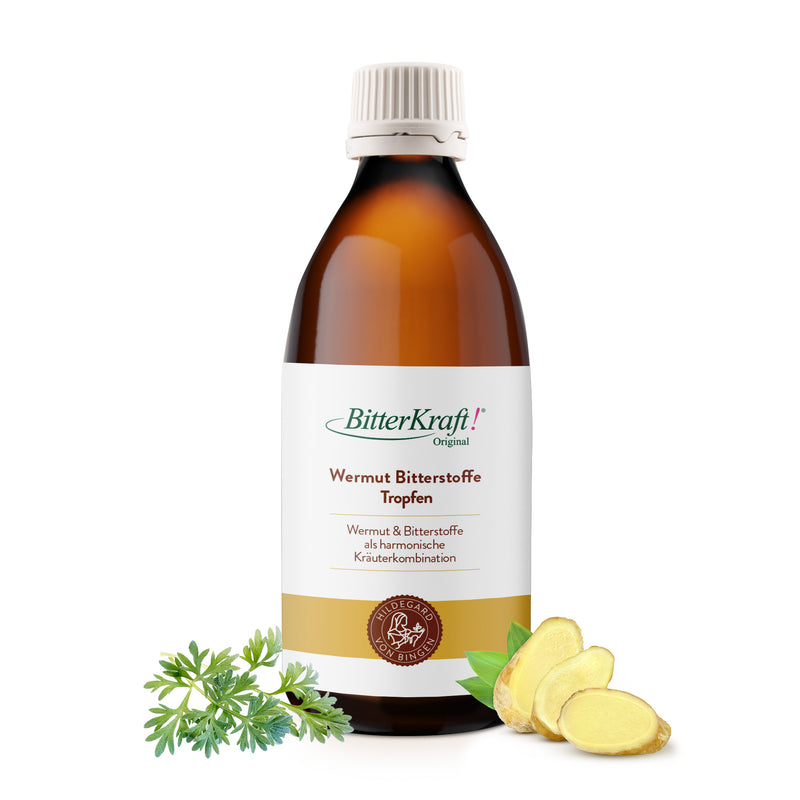
Hildegards Tipp:
- Erlesene Bittertropfen mit Wermuth nach Hildegard Von Bingen
- Rezeptur auf Basis von 800 Jahren Klosterwissen
- Bitterkraft – der Pionier seit 1996 von 4.000 Heilpraktikern verwendet!
- Beste Naturheilkunde: Bio & vegan
Bergbohnenkraut: Des Römers Gewürz
Das Bergbohnenkraut stammt aus Südeuropa und prägt die dortige Geschichte und Kultur seit Jahrtausenden mit. In zahlreichen römischen Rezepten wird das Bergbohnenkraut verwendet. Bei uns ist das Bergbohnenkraut durch Klostergärten verbreitet worden.
Vorkommen des Bergbohnenkrauts
Das Bergbohnenkraut (Satureja montana), auch Winter-Bohnenkraut genannt, ist ein Lippenblütler, der in Südeuropa heimisch ist. Besonders artenreich wächst die Pflanze im Mittelmeerraum und auf dem Balkan. Trockene, felsige Hänge in bis zu 1500 Metern Höhe haben es ihr angetan.
Leichte, kalkhaltige Erden bieten eine ideale Grundlage für das Bergbohnenkraut. Mit Trockenheit und magerem Nährstoffgehalt kommt es hervorragend zurecht. Wenn Sie das Kraut selbst anpflanzen möchten, wählen Sie einen warmen und windgeschützten Platz in der Sonne.
Wirkweise des Bergbohnenkrauts
Mit seinem kräftigen, würzigen Geschmack passt Winter-Bohnenkraut perfekt zu Bohnengerichten. Außerdem lässt sich aus ihm das reine ätherische Öl Saturejae Atheroleum gewinnen. In der Naturheilkunde wirkt sich das Kraut wohltuend auf den Magen-Darm-Trakt aus, etwa bei Blähungen und Krämpfen. Aus diesem Grund wird es in zahlreichen Gasthäusern bei Wildgerichten hinzugefügt: Es soll deren Verdauung erleichtern und den Geschmack verbessern.
Trinken Sie es als Tee, indem Sie 100 Gramm des getrockneten Krautes mit einem Liter kochendem Wasser übergießen und es zehn Minuten ziehen lassen. Bergbohnenkraut wird darüber hinaus auch als Badezusatz verwendet. Es könnte wohltuend für die Atemwege wirken, besonders bei Husten.
Verglichen wird Bergbohnenkraut oft mit Thymian - Aroma und Eigenschaften ähneln sich. Wenn Sie wildes Bergbohnenkraut pflücken wollen, werden Sie erkennen, wie überraschend ähnlich Thymiangewächse dem Bergbohnenkraut sehen.
Inhaltsstoffe des Bergbohnenkrauts
Zahlreiche Inhaltsstoffe machen das Aroma und die Wirkung auf den Menschen aus. Das ätherische Öl ist der Hauptträger der vorteilhaften Wirkungen und des Aromas. Enthalten ist unter anderem:
- Carvacrol
- Cymol
- Dipenten
- Phenole
- Thymol
Wichtig sind darüber hinaus die Gerb- und Bitterstoffe. Diese wurden mit der Zeit immer stärker aus unserer Ernährung gezüchtet, weshalb viele Menschen einen Mangel dieser Stoffe aufweisen. Die zusätzliche Einnahme über Vitalkräuter wie das Bergbohnenkraut kann darum sinnvoll sein.
Aussehen des immergrünen Bergbohnenkrauts
Der immergrüne Bergbohnenkraut Halbstrauch wird zwischen 10 und 40 Zentimeter hoch, selten bis zu 70. Winter-Bohnenkraut unterscheiden Sie vom Sommer-Bohnenkraut anhand des fehlenden lilafarbenen Schimmers, der an Letzterem zu finden ist. Es bildet aufrechte Stängel, die verholzen und sich verästeln. An ihnen sitzen schmale Blätter. Die Blütezeit reicht von August bis September, in der sich kleine Lippenblüten in Weiß, Rosa und Violett zeigen.
Bergbohnenkraut selber pflanzen
Wollen Sie Bergbohnenkraut selber pflanzen, suchen Sie sich hierfür einen sonnigen und warmen Standort, der möglichst windgeschützt ist. Ideal eignen sich bspw. Balkons, gerne auch in Großstädten. Der Boden sollte kalkhaltig, leicht und locker sein. Als Faustregel gilt, dass der Boden lieber trocken als nass sein sollte.
Ausgesät wird das Kraut von April bis Mai. Selbst im August können die Samen noch gepflanzt werden. Das Bohnenkraut ist ein Lichtkeimer, der nur ganz leicht mit Erde überstreut werden darf, ohne Licht kann der Samen nicht keimen. Bis die Keimung eintritt, sollten Sie die Samen feucht halten ohne Staunässe. Der Abstand zwischen den Samen sollte etwa 30 cm betragen.
Die Ernte erfolgt wahlweise vor oder während der Blüte. In der Blüte ist die Würze klar am stärksten, wobei der Gehalt an ätherischen Ölen kurz vor der Blüte am höchsten ist. Schneiden Sie die Zweige kurz über dem Boden ab und hängen Sie sie anschließend kopfüber zum Trocknen auf. Anschließend können Sie es zu würzigen Fleischgerichten und zu Bohnen, Kartoffeln und Eintöpfen genießen.
Man kann getrocknete Kräuter fermentieren, um ihre Qualität zu erhöhen. Darum spricht man bei der Fermentation auch von einer Veredelung. Hierfür werden Mikroorganismen in den Kräutern anaerob aktiviert. Sie setzen also biochemische Prozesse in Gang, welche ohne Luftabschluss einen Schimmelprozess einleiten würden.
Bergbohnenkraut können Sie ganz einfach fermentieren, indem Sie es in einen luftdichten Glasbehälter geben und Luftfeuchtigkeit sowie Temperatur kontrollieren. Hierdurch entstehen enzymatische Reaktionen, wie etwa beim Fermentieren von Salami oder Schwarztee. Nach der Fermentation verfügen Kräuter über mehr und intensivere Aromen.
Unterhaltsame Fakten über Bergbohnenkraut
Immergrünes Bergbohnenkraut ist würziger als Sommer-Bohnenkraut und kann ganzjährig geerntet werden. Den höchsten Gehalt an ätherischem Öl erreicht die Pflanze allerdings vor und während der Blüte. Schneiden Sie die Zweige knapp über dem Boden ab und hängen Sie sie kopfüber zum Trocknen auf. Lagern Sie sie in geschlossenen Behältern, damit der Geschmack nicht verfliegt.
Bergbohnenkraut: Häufig gestellte Fragen
Ist Thymian und Bergbohnenkraut das Gleiche?
Nein, sie sind nicht gleich, aber verwandt. Thymiane gehören ebenso wie das Bergbohnenkraut zur Familie der Lippenblütler. Bergbohnenkraut ähnelt optisch dem Thymian sehr stark, spätestens am intensiven Aroma des Bergbohnenkrauts können Sie die Pflanzen jedoch spätestens unterscheiden. Interessanterweise ist Thymian ebenso wie Bergbohnenkraut immergrün.
Kann blühendes Bergbohnenkraut verwendet werden?
Blühendes Bergbohnenkraut kann und sollte gegessen, extrahiert und verwendet werden. Die Pflanze lässt sich zwar ganzjährig ernten, den höchsten Gehalt an ätherischen Ölen hat es jedoch kurz vor und während der Blüte. Sind Sie also auf der Suche nach intensivem Aroma, empfiehlt sich diese Phase zur Ernte. Wollen Sie Bergbohnenkraut kaufen, lohnt es sich, auf den Erntezeitpunkt zu achten.
Wofür braucht man Bergbohnenkraut?
Das Bergbohnenkraut ist der würzigste Vertreter der Bohnenkräuter. Darum wird es besonders gerne bei herzhaften Gerichten wie Eintöpfen, Bohnengerichten und Wild eingesetzt. Andere Bohnenkräuter schmecken milder und weniger intensiv.
Als Vitalpflanze wird das Bergbohnenkraut u. a. bei Beschwerden der Atemwege und bei Magen- und Darmbeschwerden eingesetzt.
Ist Majoran gleich Bohnenkraut?
Majoran ähnelt nicht unbedingt dem Bergbohnenkraut, dafür jedoch dem herkömmlichen Bohnenkraut. Majoran gehört ebenfalls zur Familie der Lippenblütler, ist also mit den Bohnenkräutern verwandt. Optisch ähneln sich Bohnenkraut und Majoran stark - vergleichbar mit der Ähnlichkeit von Bergbohnenkraut zu Thymian. Als Heilpflanze traut man dem Majoran jedoch mehr als dem herkömmlichen Bohnenkraut zu.
Kann man Bergbohnenkraut frisch verwenden?
Ja, bitte! Umso frischer das Bergbohnenkraut ist, desto mehr ätherische Öle und sekundäre Pflanzenstoffe enthält es. Eine Ausnahme kann die hochwertige Fermentierung sein: Lassen Sie das Bergbohnenkraut bei gleichbleibender Luftfeuchtigkeit und Temperatur in einem geschlossenen Behälter fermentieren, lässt es sich veredeln. Indem das Kraut schonend austrocknet, bleiben ätherische Öle und sekundäre Pflanzenstoffe zurück, womit sich die Dichte an Vitalstoffen effektiv erhöht.
Was sind gute Präparate mit Bergbohnenkraut?
Bergbohnenkraut wird am gängigsten als Gewürz eingenommen. Deftige und aromatische Speisen kann es bereichern. Als Vitalpflanze wird das Bergbohnenkraut zumeist als ätherisches Öl eingenommen. Im Internet und auch lokal bei Apotheken oder Reformhäusern können Sie ätherisches Bergbohnenkrautöl kaufen.
Hat Hildegard von Bingen Bergbohnenkraut verwendet?
Ja, die Heilige Äbtissin Hildegard von Bingen hat bereits Bergbohnenkraut genutzt. Sie empfahl es etwa zusammen mit anderen Kräutern wie Salbei und Kümmel gegen Gliederzittern. Sie erkannte jedoch auch bereits die wohltuenden Eigenschaften auf die Verdauung.
Wirkt Bergbohnenkraut aphrodisisch?
Man spricht dem Bergbohnenkraut aphrodisierende Eigenschaften zu, wissenschaftlich ließen sich diese jedoch in keinster Weise belegen. Bei Aphrodisiaka spielen individuelle persönliche und psychologische Begebenheiten eine wichtige Rolle, weshalb sich nur schwer überprüfen lässt, ob der Geruch und Geschmack von Bergbohnenkraut aphrodisisch wirkt.
Gibt es bestimmte Pflanzen, die gut neben Bergbohnenkraut gedeihen?
Obwohl es auf den ersten Blick vielleicht ironisch erscheint: Bohnen lassen sich hervorragend neben Bergbohnenkraut anbauen. Probieren Sie es gerne im heimischen Gemüse- / Kräutergarten aus. Ansonsten lässt sich Bergbohnenkraut als gute Bodenabdeckung bzw. Unterpflanzung vor andere Pflanzen und Beete setzen, damit in diese möglichst kein Unkraut hineinwächst.
Übrigens: Wer Erdbeeren und Bergbohnenkraut anbaut, wird recht schnell merken, dass das Bergbohnenkraut mit Vorliebe neben den Erdbeeren emporschießt.
Kann man Beeteinfassungen aus Bergbohnenkraut machen?
Bergbohnenkraut ist eine ideale Beeteinfassung. Binnen weniger Wochen bildet es eine Hecke rund um Ihr Beet. Der einzig negative Punkt ist, dass das Wachstum ggf. zu schnell geht und Sie darum öfter die Hecke zurechtschneiden müssen. Dafür harmoniert das Bergbohnenkraut als Beeteinfassung perfekt mit den Pflanzen im Beet, weil das Bergbohnenkraut selbst eine Vitalpflanze ist.

Über den Autor Henrik Aulbach
Weitere Artikel
Magenbitterstoffe vor dem Essen: Warum die Reihenfolge entscheidend ist
Magenbitterstoffe vor dem Essen » Nach Hildegard von Bingen ✓ Ohne Zusatzstoffe ✓ Made in Germany – Jetzt mehr erfahren
Bitterstoffreiche Smoothies: Grüne Rezepte für den Verdauungsstart am Morgen
Bitterstoff-Smoothies für den Morgen » Nach Hildegard von Bingen ✓ Vegan ✓ Ohne Zusatzstoffe – Jetzt Rezepte entdecken!
Hildegard von Bingens Dinkelrezepte für eine gesunde Verdauung
Hildegard von Bingens Dinkelrezepte » Nach Hildegard von Bingen ✓ Ohne Zusatzstoffe ✓ Biozertifiziert – Jetzt entdecken