
Wer kennt das nicht: Man sitzt nach dem Mittagessen am Tisch und fühlt sich schwer, voll und träge. Das Essen hat geschmeckt, aber der Körper scheint nicht so recht damit klarzukommen. Genau hier setzt ein altes Wissen an, das in der Klostermedizin und besonders im Werk der heiligen Hildegard von Bingen seit Jahrhunderten überliefert ist: Bitterstoffe entfalten ihre Wirkung am besten, wenn sie vor der Mahlzeit eingenommen werden – nicht danach. Die Reihenfolge, in der wir unseren Körper auf eine Mahlzeit vorbereiten, ist nach diesem traditionellen Verständnis alles andere als Nebensache. In diesem Artikel erfahren Sie, was hinter diesem alten Ritual steckt, welche Kräuter dabei eine Rolle spielen und wie Sie Bitterstoffe sinnvoll in Ihren Alltag integrieren können.
Was Bitterstoffe sind – und warum sie in Vergessenheit gerieten
Bitterstoffe sind sekundäre Pflanzenstoffe, die in zahlreichen Kräutern, Wurzeln und Blättern vorkommen. Sie zählen zu den ältesten Begleitern der menschlichen Ernährungsgeschichte. Unsere Vorfahren aßen täglich wilde Kräuter, Wurzeln und Blätter, die von Natur aus reich an bitteren Verbindungen waren. Löwenzahn, Wermut, Enzian, Artischocke und Schafgarbe – sie alle gehörten selbstverständlich zur Nahrung und wurden nicht erst als „Heilmittel" kategorisiert. Der Bitterstoff war einfach Teil des täglichen Speiseplans.
Mit dem Wandel der Ernährungsgewohnheiten – hin zu stark verarbeiteten, gezuckerten und industriell optimierten Lebensmitteln – verschwand der Bitterstoff nahezu vollständig aus unserem Alltag. Hersteller züchteten bewusst die Bitterkeit aus Gemüsesorten heraus, weil Verbraucher süßere Produkte bevorzugten. Chicorée wurde milder, Radicchio weniger intensiv, und Rosenkohl so gezähmt, dass er kaum noch an seine wilden Vorfahren erinnert. Was nach kulinarischem Fortschritt aussah, bedeutete aus der Perspektive der traditionellen Naturheilkunde einen echten Verlust.
In der Klostermedizin des Mittelalters wurden Bitterstoffe dagegen hoch geschätzt. Hildegard von Bingen Produkte Hildegard von Bingen schrieb in ihrem Werk „Physica" ausführlich über die Bedeutung bitterstofreicher Kräuter für das leibliche Wohlbefinden. Sie betrachtete den Umgang mit Kräutern nicht als reine Medizin, sondern als ganzheitliche Lebensphilosophie – als Teil einer Ordnung, in der Körper, Geist und Nahrung in Einklang stehen sollten. Bitterstoffe waren für sie keine Randnotiz, sondern ein zentrales Element des gesunden Lebens.
„Wermut ist warm und trocken und hat eine gesunde Kraft. Wer auch immer unter Magenbeschwerden leidet, der soll Wermut kochen… und er wird gesund." – Hildegard von Bingen, Physica (12. Jahrhundert), historische Überlieferung
Das Timing-Prinzip: Warum „vor dem Essen" kein Zufall ist
In der traditionellen Kräutermedizin und der Klostermedizin war die Einnahme von Bitterkräutern vor einer Mahlzeit ein festes Ritual. Dieses Timing ist kein willkürlicher Brauch, sondern folgt einer inneren Logik, die sich über Generationen in der Beobachtung von Körper und Wohlbefinden herausgebildet hat. Der Körper braucht, so das traditionelle Verständnis, eine Art „Ankündigung" – einen sinnlichen Impuls, der ihm signalisiert: Jetzt kommt Nahrung, mach dich bereit.
Der Geschmackssinn spielt dabei eine wichtige Rolle. Wenn wir etwas Bitteres auf der Zunge wahrnehmen, reagiert unser Organismus auf eine Weise, die seit Jahrhunderten in der Volksmedizin beobachtet und beschrieben wird. Die Einnahme von Bitterkräutern kurz vor dem Essen – idealerweise 15 bis 30 Minuten vorher – wird in der naturheilkundlichen Tradition als Vorbereitung des Körpers auf die bevorstehende Verdauungsarbeit verstanden. Man könnte sagen: Bitterstoffe bereiten den Boden, bevor das Essen gesät wird.
Das Timing ist entscheidend: Wer Bitterstoffe erst nach dem Essen einnimmt, verpasst nach traditioneller Überzeugung den wichtigsten Moment – denn die Vorbereitung des Körpers findet vor, nicht nach der Mahlzeit statt.
Nach dem Essen eingenommene Bittertropfen oder Bitterliköre – wie sie in vielen Kulturen als klassischer „Digestif" bekannt sind – haben zwar ebenfalls eine lange Tradition, erfüllen aber nach dem überlieferten Wissen eine andere Funktion. Sie gelten als abschließendes Ritual, nicht als vorbereitendes. Wer beide Momente bewusst nutzen möchte, kann sowohl vor als auch nach der Mahlzeit auf Bitterkräuter zurückgreifen – wobei die Einnahme vor dem Essen in der hildegard'schen Überlieferung als die bedeutsamere gilt. BitterKraft Original
Warum 15–30 Minuten vor dem Essen?
In der traditionellen Kräutermedizin hat sich dieser Zeitraum als besonders sinnvoll erwiesen. Der Körper benötigt nach dem ersten Bitterstoffkontakt eine kurze Phase, um sich auf die Nahrungsaufnahme einzustimmen. Wer die Bittertropfen unmittelbar vor dem ersten Bissen nimmt, gibt dem Körper kaum Zeit zur Reaktion. Wer hingegen deutlich mehr als eine Stunde wartet, hat den Übergang zur Mahlzeit möglicherweise schon wieder überschritten. Das goldene Fenster liegt traditionell zwischen einer Viertelstunde und einer halben Stunde.
Die wichtigsten Bitterkräuter der Klostermedizin
Nicht alle Bitterstoffe sind gleich – und die Klostermedizin kannte den Unterschied sehr genau. Je nach Kraut, Wurzel oder Pflanzenteil unterscheiden sich Intensität, Charakter und die traditionellen Anwendungsgebiete der enthaltenen Bitterstoffe erheblich. Hildegard von Bingen beschrieb zahlreiche Kräuter in ihrer Wirkung auf den Menschen und empfahl sie für unterschiedliche Lebenssituationen. Was sie dabei vereint: die Wertschätzung der Bitterkeit als Qualität, nicht als Mangel.
Im Folgenden stellen wir Ihnen die bekanntesten Bitterkräuter vor, die in der naturheilkundlichen Tradition eine besondere Rolle spielen und bis heute in hochwertigen Bitterstoffpräparaten Verwendung finden. Diese Pflanzen werden seit Jahrhunderten traditionell verwendet und sind Teil eines reichen Erfahrungsschatzes, der von Generation zu Generation weitergegeben wurde. Hildegard von Bingen Produkte
Es lohnt sich, die einzelnen Kräuter nicht nur als Zutaten zu betrachten, sondern als Persönlichkeiten mit eigenem Charakter. Wermut ist herb und direkt, Enzian tief und erdig, Artischocke milder und vielschichtig. Wer sich die Zeit nimmt, die Unterschiede zu erkunden, entwickelt ein feines Gespür für die Welt der Bitterstoffe – und für den eigenen Körper.
Traditionelle Bitterkräuter der Klostermedizin im Überblick:
- Wermut (Artemisia absinthium): Eines der ältesten Bitterkräuter Europas, seit Jahrhunderten in der Klostermedizin verwendet. Hildegard von Bingen beschrieb Wermut ausführlich und schätzte ihn für seine intensive Bitterkeit und seinen besonderen Charakter als Heilkraut.
- Enzian (Gentiana lutea): Der Gelbe Enzian zählt zu den stärksten natürlichen Bitterquellen überhaupt. In der alpinen Volksmedizin seit Generationen als „König der Bitterkräuter" bekannt und traditionell vor den Mahlzeiten eingesetzt.
- Artischocke (Cynara scolymus): Schon im antiken Mittelmeerraum geschätzt und in der mittelalterlichen Klostermedizin weitergeführt. Die Blätter der Artischocke werden traditionell für ihre bitteren Eigenschaften verwendet und gelten als klassisches Begleitmittel zu fettreichen Mahlzeiten.
- Löwenzahn (Taraxacum officinale): Ein allgegenwärtiges Wildkraut, das in der Volksmedizin als Frühjahrskur und tägliche Bitterstoffquelle geschätzt wird. Hildegard kannte Löwenzahn als nützliches Alltagskraut, das sich besonders für die erste Mahlzeit des Tages eignet.
- Schafgarbe (Achillea millefolium): Historisch als „Kriegerkraut" bekannt und in der Klostermedizin vielseitig eingesetzt. Die Schafgarbe enthält neben Bitterstoffen auch ätherische Öle und wird traditionell in Bitterstoffmischungen kombiniert.
- Tausendgüldenkraut (Centaurium erythraea): Sein Name verrät bereits die historische Wertschätzung: Das Kraut, das tausend Gulden wert sei. In der Klostermedizin als klassisches Magenkraut verwendet und in traditionellen Bitterrezepturen bis heute unverzichtbar.
In der historischen Kräuterkunde des 16. Jahrhunderts beschrieb der Arzt und Botaniker Hieronymus Bock den Enzian als „das fürnembste kraut für den Magen" – ein Zeugnis dafür, wie tief verankert das Wissen um Bitterkräuter in der europäischen Heilkunde war.
Bitterstoffe als tägliches Ritual – so integrieren Sie sie bewusst
Das Wissen um Bitterstoffe ist das eine – die gelebte Praxis das andere. In der Klostermedizin war das Bitterstoff-Ritual kein medizinisches Notfallprogramm, sondern ein selbstverständlicher Teil des Tagesrhythmus. Ähnlich wie das Morgengebet oder die Stunden-Gebete strukturierten Kräuterrituale den Tag der Mönche und Nonnen. Diese bewusste Einbettung in den Alltag ist auch heute noch das Geheimnis einer nachhaltigen Bitterstoff-Praxis.
Bitterstoffe wirken am nachhaltigsten, wenn sie als tägliches Ritual verstanden werden – nicht als einmalige Maßnahme. Die Regelmäßigkeit ist nach traditioneller Überzeugung wichtiger als die einmalige Dosierung.
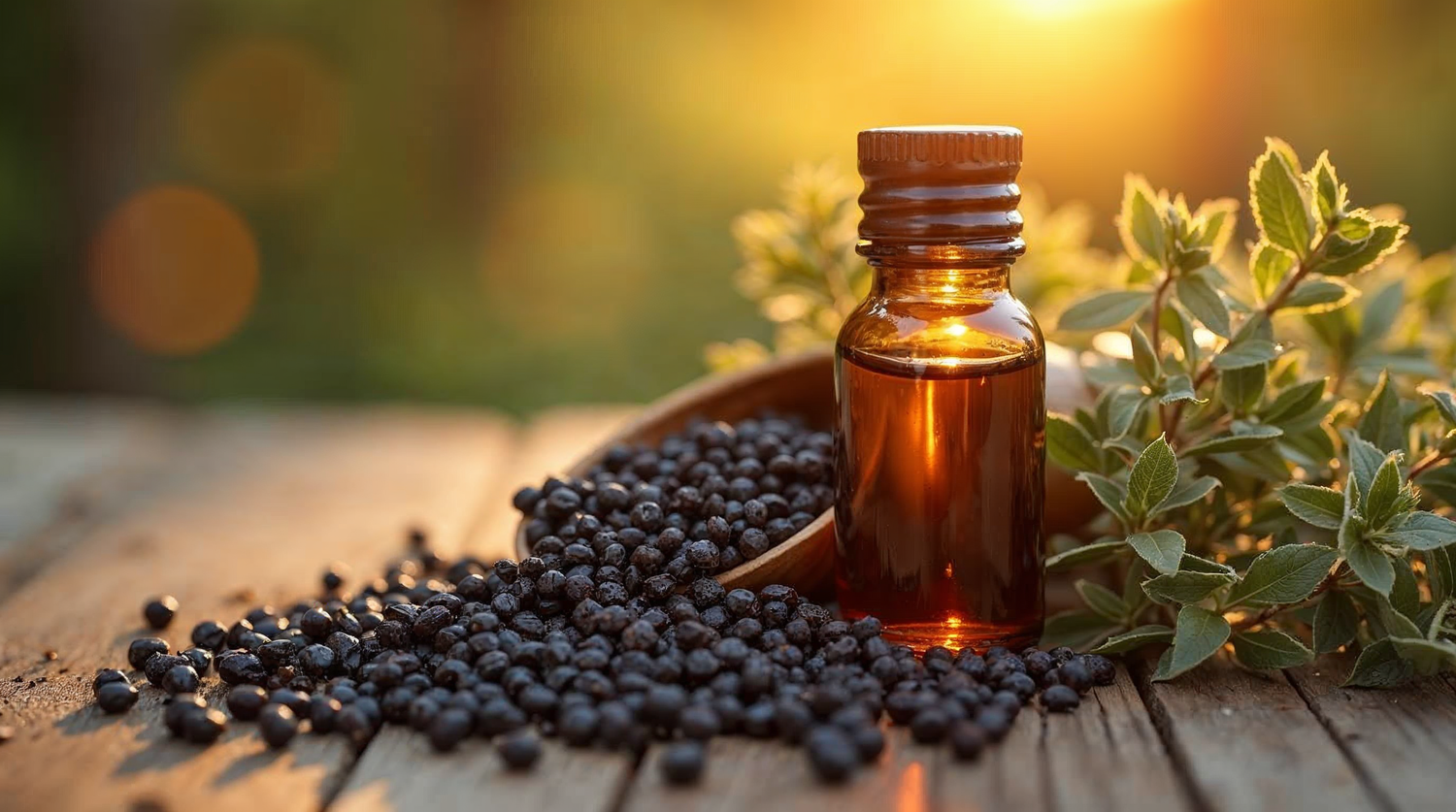
Für den Einstieg empfehlen sich Bittertropfen auf pflanzlicher Basis, wie sie traditionell in der Apotheken- und Klostermedizin-Tradition hergestellt werden. Ein kleines Glas Wasser mit einigen Tropfen Bitterextrakt, eingenommen etwa 20 Minuten vor der Hauptmahlzeit – das ist eine einfache, alltagstaugliche Form des Rituals. Wer möchte, kann die Tropfen auch pur auf die Zunge geben, um den Bittergeschmack direkt und bewusst wahrzunehmen. Gerade dieser sensorische Moment – das Innehalten, das Schmecken – ist traditionell ein Teil der Wirkung. Darm- und Verdauungsprodukte
So gelingt das Bitterstoff-Ritual im Alltag:
Morgens: Ein kleines Glas Bitterkräutertee oder einige Tropfen Bitterkonzentrat vor dem Frühstück. Ruhig und bewusst einnehmen – nicht nebenbei.
Mittags: Vor dem Mittagessen 15–20 Minuten einplanen. Idealerweise kurze Pause vom Bildschirm, Bittertropfen einnehmen, kurz durchatmen.
Abends: Wer abends die Hauptmahlzeit zu sich nimmt, kann auch hier das Bitterstoff-Ritual einbauen. Ein leichter Bitterkräutertee eignet sich auch als abendlicher Abschluss – dann eher als Digestif-Variante nach dem Essen.
Besonders spannend ist die Kombination von Bitterstoffen mit dem Fasten-Rhythmus. Wer etwa das intermittierende Fasten praktiziert und seine erste Mahlzeit erst am Mittag zu sich nimmt, kann Bitterstoffe in der Fastenphase am Morgen als sanften Impuls nutzen. Fasten-Produkte In der Klostermedizin war die Verknüpfung von Fasten und Bitterkräutern ebenfalls ein bekanntes Konzept: In der Fastenzeit wurden Bitterkräuter nicht weggelassen, sondern im Gegenteil bewusst betont – als begleitendes Element einer Reinigungsphase. Hildegard empfahl regelmäßige Fastenzeiten als Teil einer gesunden Lebensweise und kombinierte sie stets mit der klugen Auswahl von Kräutern und Lebensmitteln.
Wer Bitterstoffe als Ritual begreift – nicht als Supplement, das man vergisst, sondern als bewussten Moment der Selbstfürsorge –, wird den Unterschied im eigenen Alltag spüren. Der Bitterstoff lädt zum Innehalten ein, bevor das Essen beginnt.
Qualität und Auswahl: Worauf es bei Bitterstoffpräparaten ankommt
Nicht jedes Produkt, das sich „Bitterstoff" nennt, schöpft das Potenzial der traditionellen Kräutermedizin wirklich aus. Die Qualität der verwendeten Pflanzen, die Art der Verarbeitung und die Zusammensetzung machen einen erheblichen Unterschied. In der Klostermedizin wurden Kräuter frisch, getrocknet oder in Tinkturen verarbeitet – immer mit großer Sorgfalt und dem Bewusstsein, dass die Qualität des Rohmaterials die Grundlage für alles weitere ist.
Bei der Auswahl eines guten Bitterstoffpräparats lohnt es sich, auf einige Kriterien zu achten. Erstens: die Transparenz der Inhaltsstoffe. Hochwertige Produkte benennen die enthaltenen Kräuter klar und weisen auf ihre Herkunft hin. Zweitens: die Verarbeitungsform. Alkoholische Tinkturen und Flüssigextrakte haben in der traditionellen Kräutermedizin eine lange Geschichte und gelten als besonders schonende Methode, die Inhaltsstoffe der Pflanze zu bewahren. Drittens: die Zusammensetzung. Klassische Bitterstoffrezepturen kombinieren mehrere Kräuter – genau wie in der mittelalterlichen Klosterapotheke, wo selten ein einzelnes Kraut allein zum Einsatz kam. BitterKraft Original
Für Menschen, die neu in die Welt der Bitterstoffe einsteigen, kann die Geschmacksintensität zunächst ungewohnt sein. Das ist normal und gehört dazu. Unser moderner Gaumen ist auf Süße trainiert – die Rückkehr zur Bitterkeit ist eine echte Geschmacksschulung, die Zeit braucht. Viele Menschen berichten, dass sie nach einigen Wochen regelmäßiger Einnahme nicht nur die Bitterkeit besser tolerieren, sondern sogar zu schätzen beginnen. Das Bittere wird zum Signal: Jetzt tue ich etwas Gutes für meinen Körper.
Merkmale eines hochwertigen Bitterstoffpräparats:
✓ Klare Herkunftsangabe der verwendeten Kräuter (möglichst bio-zertifiziert oder Wildsammlung)
✓ Traditionelle Verarbeitungsform (Tinktur, Flüssigextrakt oder schonend gefriergetrocknet)
✓ Mehrere Bitterkräuter in der Formulierung (synergistischer Ansatz der Klostermedizin)
✓ Keine unnötigen Zusatzstoffe, Aromen oder Zuckerzusätze
✓ Hersteller mit Bezug zur naturheilkundlichen oder klostermedizinischen Tradition
Auch die Form der Einnahme spielt eine Rolle. Bittertropfen auf Alkoholbasis sollten vorzugsweise pur oder in einem kleinen Schluck Wasser eingenommen werden – verdünnt in großen Wassermengen verlieren sie den direkten Kontakt mit den Geschmacksrezeptoren der Zunge, was nach traditionellem Verständnis einen Teil ihrer Wirksamkeit mindert. Wer Alkohol meidet, findet heute auch alkoholfreie Alternativen in Form von Bitterkräutertees, Bitterkräuterpulvern oder pflanzenbasiertem Bitterkonzentrat. Leber-Produkte von Bitterkraft
Hildegards Erbe und die Rückkehr des Bitteren in den modernen Alltag
Es ist kein Zufall, dass das Interesse an Bitterstoffen in den letzten Jahren wieder gewachsen ist. In einer Zeit, in der viele Menschen das Gefühl haben, ihr Essen sei zwar bequem, aber irgendwie leblos geworden, suchen sie nach Verbindungen zu älterem Wissen. Hildegard von Bingen ist dabei zu einer Art Orientierungsfigur geworden – nicht weil ihr Wissen wissenschaftlich beweisbar ist in jedem Detail, sondern weil es eine Kohärenz besitzt, die Menschen anspricht. Eine innere Logik, die sich über Jahrhunderte bewährt hat.
Hildegard verstand die Ernährung als Ausdruck einer umfassenden Lebensordnung, die sie „Ordo" nannte. Alles hatte seinen Platz und seine Zeit – auch die Kräuter. Die Idee, dass bestimmte Kräuter vor dem Essen eingenommen werden sollten, andere zur Schlafenszeit oder im Wechsel der Jahreszeiten, spiegelt dieses Ordnungsdenken wider. Es ist ein Denken, das dem modernen „Hauptsache schnell"-Ansatz diametral entgegensteht – und vielleicht gerade deshalb so anziehend ist. Hildegard von Bingen Produkte
Die Rückkehr des Bitteren in den modernen Alltag ist auch kulinarisch spürbar: Craft-Bitter-Bars, bittere Aperitifs, Wildkräutersalate und Chicorée-Rezepturen erleben eine Renaissance. Köche und Ernährungsbewusste entdecken, was Hildegard und die Klosterschwestern längst wussten: Bitteres macht das Süße erst erlebbar. Die Balance zwischen den Geschmacksqualitäten – süß, sauer, salzig, bitter – ist nicht nur eine Frage des Genusses, sondern nach traditioneller Überzeugung auch eine des Wohlbefindens.
Eine Analyse überlieferter Klosterrezepturen aus dem Mittelalter, veröffentlicht von Historikern der Universität Würzburg, zeigte, dass über 60 Prozent der dokumentierten Kräutermischungen aus Klosterapotheken mindestens einen bitteren Wirkstoffträger enthielten – ein Zeugnis für die zentrale Bedeutung der Bitterkeit in der mittelalterlichen Heilkunde.
Wer beginnt, Bitterstoffe bewusst in seinen Alltag zu integrieren, begibt sich auf eine Reise, die weit über das rein Physische hinausgeht. Es ist eine Reise zurück zur Aufmerksamkeit – zur bewussten Wahrnehmung dessen, was wir unserem Körper geben und wann wir es tun. Die Reihenfolge ist entscheidend, ja – aber noch entscheidender ist die Haltung dahinter: die Bereitschaft, sich Zeit zu nehmen, innezuhalten und dem Körper zuzuhören, bevor das Essen beginnt. Das ist, in aller Schlichtheit, das Erbe von Hildegard von Bingen. Und es ist zeitloser denn je. alle Bitterkraft Produkte


Hinterlasse einen Kommentar
Diese Website ist durch hCaptcha geschützt und es gelten die allgemeinen Geschäftsbedingungen und Datenschutzbestimmungen von hCaptcha.