

Henrik Aulbach ist erfahrener Gesundheitsredakteur mit über 10 Jahren Erfahrung, Experte für pflanzliche Wirkstoffe und Kultivierung, Co-Gründer, Buchautor und selbstständiger Fachtexter im Gesundheitswesen seit 2020.
Erfahren Sie hier mehr über diesen Autor.

Bohnenkraut: Wirkung, Anwendung und Dosierung
Alles zum Bohnenkraut

Hildegards Tipp:
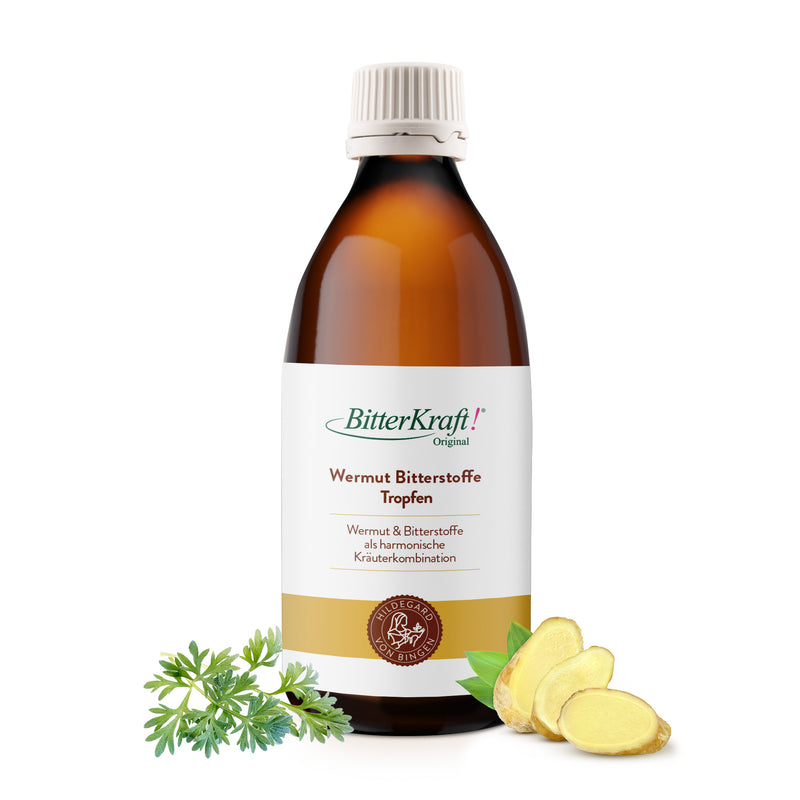
- Erlesene Bittertropfen mit Wermuth nach Hildegard Von Bingen
- Rezeptur auf Basis von 800 Jahren Klosterwissen
- Bitterkraft – der Pionier seit 1996 von 4.000 Heilpraktikern verwendet!
- Beste Naturheilkunde: Bio & vegan
Vorkommen von Bohnenkraut
Bohnenkraut (Satureja) umfasst etwa 40 verschiedene Arten. Die Lippenblütler kommen ursprünglich aus dem Mittelmeerraum und Südeuropa. In Deutschland wurden sie ab dem 9. Jahrhundert von Mönchen eingeschleppt, um sie in den Klostergärten anzubauen. Verwildert ist die Pflanze daher auch hierzulande vereinzelt anzutreffen.
Die genügsame Pflanzengattung mag karge Böden und ist daher auf Äckern und Bahndämmen anzutreffen. Wärme und Sonne tun ihr gut, Wind mag sie weniger. Ihr Vorkommen kann auf eine kalkhaltige Erde hindeuten.
Wirkweise von Bohnenkraut
In erster Linie ist Bohnenkraut wohl als beliebtes Gewürz für Bohnen und deftige Gerichte bekannt. Es passt gut zu Wild und Kartoffelsuppe. Bohnenkraut kaufen Sie im Supermarkt, auf dem Wochenmarkt oder im Online-Versandhandel.
Darüber hinaus zählt die Krautpflanze zu den Heilpflanzen und nimmt in der Phytotherapie einen wichtigen Stellenwert ein. Bei Verdauungsbeschwerden wirkt es wohltuend, wie bereits Hildegard von Bingen und später Pietro Andrea Matthioli im Mittelalter erkannten. Sie können Bohnenkraut nicht nur unterstützend mit Ihren Speisen einnehmen, sondern auch als Tee.
Inhaltsstoffe von Bohnenkraut
Bohnenkraut enthält viele wichtige Bestandteile, unter anderem ätherische Öle, Gerbstoffe und Flavonoide. Erstgenannte verleihen ihm den aromatischen Geruch und Geschmack. Alle drei Stoffe sind ausschlaggebend für die Wirkung des Bohnenkrauts.
Aussehen von Bohnenkraut
Das Kraut erreicht als Halbstrauch Höhen von 30 bis 40 Zentimeter. Aufrecht wachsende Stängel verästeln sich und tragen schmale, dunkelgrüne Blätter. Zarte Lippenblüten von weißer, rosafarbener oder violetter Farbe erscheinen in der Blütezeit von August bis September.
Wissenswertes über Bohnenkraut
Der Gehalt an ätherischen Ölen ist kurz vor der Blüte am höchsten.

Über den Autor Henrik Aulbach
Weitere Artikel
Magenbitterstoffe vor dem Essen: Warum die Reihenfolge entscheidend ist
Magenbitterstoffe vor dem Essen » Nach Hildegard von Bingen ✓ Ohne Zusatzstoffe ✓ Made in Germany – Jetzt mehr erfahren
Bitterstoffreiche Smoothies: Grüne Rezepte für den Verdauungsstart am Morgen
Bitterstoff-Smoothies für den Morgen » Nach Hildegard von Bingen ✓ Vegan ✓ Ohne Zusatzstoffe – Jetzt Rezepte entdecken!
Hildegard von Bingens Dinkelrezepte für eine gesunde Verdauung
Hildegard von Bingens Dinkelrezepte » Nach Hildegard von Bingen ✓ Ohne Zusatzstoffe ✓ Biozertifiziert – Jetzt entdecken