

Henrik Aulbach ist erfahrener Gesundheitsredakteur mit über 10 Jahren Erfahrung, Experte für pflanzliche Wirkstoffe und Kultivierung, Co-Gründer, Buchautor und selbstständiger Fachtexter im Gesundheitswesen seit 2020.
Erfahren Sie hier mehr über diesen Autor.

Koriander: Das Wichtigste im Ueberblick
Vorkommen von Koriander
Der Echte Koriander (Coriandrum sativum) zeichnet sich durch seine vielseitige Nutzung aus und präsentiert sich in der Küche als beliebte Gewürzpflanze. Obwoh...

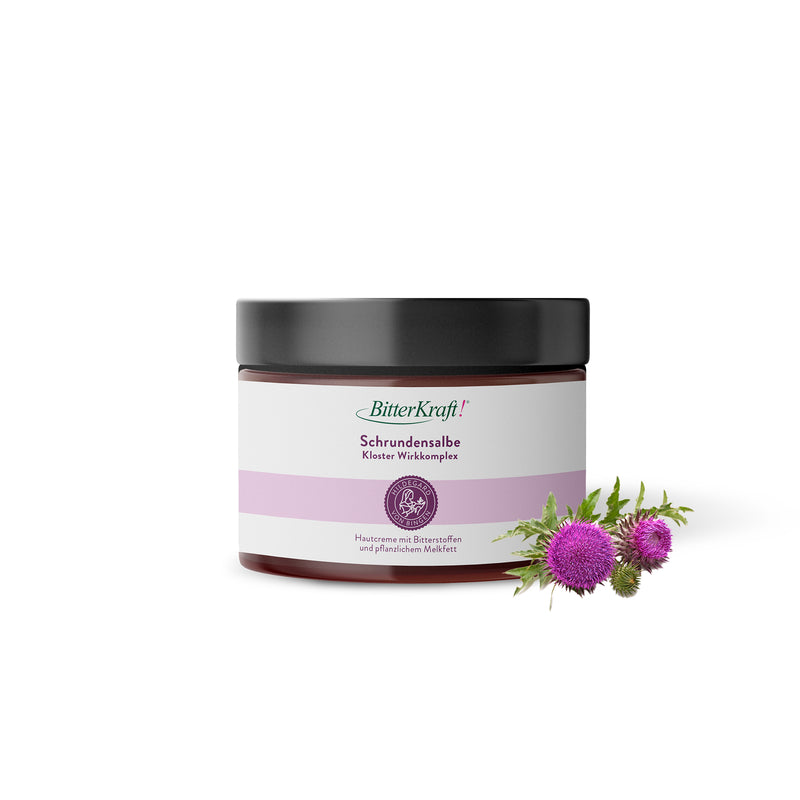
Hildegards Tipp:
- Pflegende Salbe für raue und rissige Haut
- Rezeptur auf Basis von 800 Jahren Klosterwissen
- Bitterkraft – der Pionier seit 1996 von 4.000 Heilpraktikern verwendet!
- Beste Naturheilkunde: Bio & vegan
Vorkommen von Koriander
Der Echte Koriander (Coriandrum sativum) zeichnet sich durch seine vielseitige Nutzung aus und präsentiert sich in der Küche als beliebte Gewürzpflanze. Obwohl die krautige Pflanze verwildert, ist sie nur selten wild anzutreffen. Am liebsten mag Koriander es sonnig und windgeschützt an seinem Standort.
Die exakte Herkunft des Korianders ist bis heute nicht eindeutig belegt. Vermutlich liegen die Ursprünge des Doldenblütlers im Mittelmeerraum. Sein heutiges Verbreitungsgebiet erstreckt sich über Amerika, Nordafrika und Asien. Auch in Europa, darunter Deutschland, wird Echter Koriander kultiviert.
Wirkweise von Koriander
Sein charakteristischer Geschmack macht Koriander zu einem beliebten Küchengewürz, vor allem asiatischen Gerichten gibt er die bekannte Würze. Frisch erweist sich die Pflanze als Geschmacksfrage, bei der sich die Geister scheiden. Denn nicht jedem sagt sein charakteristischer Geschmack zu. Getrocknet zeigt sich das Aroma deutlich milder. Das Gleiche trifft auf die Samen der Pflanze zu.
Seit alters her machen sich die Menschen Echten Koriander als Heilkraut zunutze, dazu dienen die getrockneten Blätter oder Früchte. Bekannt sind vor allem seine antibakterielle und entzündungshemmende Wirkung sowie seine positiven Effekte auf die Verdauung. Hier hilft er bei Appetitlosigkeit genauso wie bei Blähungen, Völlegefühl und Durchfall. Ebenso soll Echter Koriander dazu imstande sein, Krämpfe zu lösen.
Seine Wirkweise als Heilpflanze entfaltet Koriander als Tee, Extrakt oder Öl, zu denen sich seine Samen, Früchte und Blätter verarbeiten lassen.
Inhaltsstoffe von Koriander
Echter Koriander steckt voller ätherischer Öle, das Korianderöl enthält dabei Dodecenal – ein Stoff, dessen antibakterielle Wirkung in verschiedenen Studien nachgewiesen wurde. Antioxidantien, Mineralstoffe und Vitamine bilden weitere Inhaltsstoffe. Des Weiteren finden sich in den Blättern und Samen Cumarine, Phenolsäuren und Sterole.
Aussehen von Koriander
Echter Koriander erreicht Wuchshöhen von bis zu 80 Zentimetern. Die jungen Blätter, die im Frühjahr austreiben, sind dreigeteilt und am Rand gezackt. In ihrer Form ähneln sie stark Blatt-Petersilie. Während des Pflanzenwachstums werden sie immer dünner und fiedern sich fein auf. Ab Juni wachsen die weißen bis rosafarbenen Blüten in einer Doppeldolde, aus denen sich im Spätsommer die Samen entwickeln.
Wissenswertes über Koriander
Der Geruch von Koriander erinnert stark an die Ausdünstungen von Wanzen, weshalb das Kraut für den europäischen Gaumen mitunter als recht gewöhnungsbedürftig gilt. Manche Menschen beschreiben den Geschmack von Koriander regelrecht als seifenartig. Diesen Empfindungen liegt allerdings vermutlich eine genetische Ursache zugrunde, die im europäischen Raum deutlich häufiger vorkommt als im asiatischen.

Über den Autor Henrik Aulbach
Weitere Artikel
Magenbitterstoffe vor dem Essen: Warum die Reihenfolge entscheidend ist
Magenbitterstoffe vor dem Essen » Nach Hildegard von Bingen ✓ Ohne Zusatzstoffe ✓ Made in Germany – Jetzt mehr erfahren

Bitterstoffreiche Smoothies: Grüne Rezepte für den Verdauungsstart am Morgen
Bitterstoff-Smoothies für den Morgen » Nach Hildegard von Bingen ✓ Vegan ✓ Ohne Zusatzstoffe – Jetzt Rezepte entdecken!
Hildegard von Bingens Dinkelrezepte für eine gesunde Verdauung
Hildegard von Bingens Dinkelrezepte » Nach Hildegard von Bingen ✓ Ohne Zusatzstoffe ✓ Biozertifiziert – Jetzt entdecken