

Henrik Aulbach ist erfahrener Gesundheitsredakteur mit über 10 Jahren Erfahrung, Experte für pflanzliche Wirkstoffe und Kultivierung, Co-Gründer, Buchautor und selbstständiger Fachtexter im Gesundheitswesen seit 2020.
Erfahren Sie hier mehr über diesen Autor.

Natürliche Beruhigungsmittel: Das Wichtigste im Ueberblick
Innere Unruhe, Anspannung, Nervosität, aber auch Angstzustände und Probleme beim Ein- oder Durchschlafen: Pflanzliche Beruhigungsmittel haben sich bei einigen Beschwerden inzwischen als Alternative zu...
Innere Unruhe, Anspannung, Nervosität, aber auch Angstzustände und Probleme beim Ein- oder Durchschlafen: Pflanzliche Beruhigungsmittel haben sich bei einigen Beschwerden inzwischen als Alternative zu herkömmlichen, meist verschreibungspflichtigen Medikamenten bewährt. Allzu oft belasten wir unsere Nerven, indem wir uns zu viel zumuten. Der enorme Stress, den unsere moderne Lebensweise mit sich bringt, ist für den Menschen nicht gemacht. Pflanzliche Beruhigungsmittel sind dagegen das perfekte Mittel, zumal sie meistens keine bzw. weniger Nebenwirkungen als synthetische Medikamente haben.

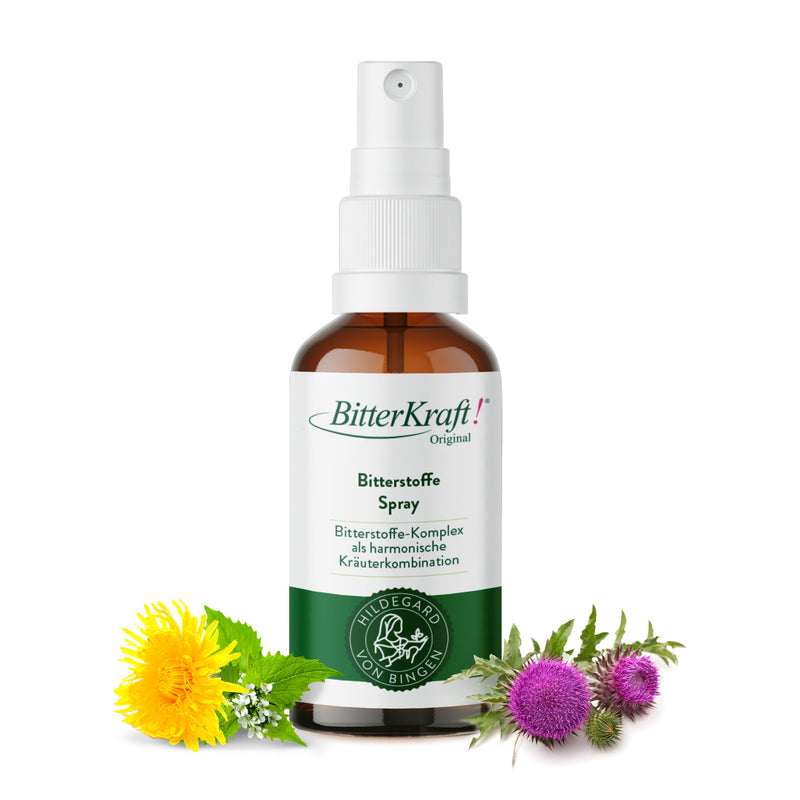
Hildegards Tipp:
- Wertvolle Bittertropfen nach Hildegard Von Bingen als praktisches Spray - Ideal für unterwegs
- Rezeptur auf Basis von 800 Jahren Klosterwissen
- Bitterkraft - der Pionier seit 1996 von 4.000 Heilpraktikern verwendet!
- Beste Naturheilkunde: Bio & vegan
Wirkweise von natürlichen Beruhigungsmittel
Natürliche Beruhigungsmittel wirken im Gegensatz zu synthetisch hergestellten Präparaten schonend. In ihrer Wirksamkeit weisen sie ein breites Spektrum auf: So können manche Mittel beim Einschlafen helfen, während andere die Nerven beruhigen. Einige natürliche Beruhigungsmittel sind gut darin, die innere Unruhe aufzulösen.
Die konkrete Wirkweise natürlicher Beruhigungsmittel ist im Gegensatz zu den Medikamenten der Schulmedizin bisher weniger gut erforscht. Für einigen Pflanzen liegen aber schon wissenschaftliche Erkenntnisse vor, dass eine sedierende und anxiolytische (angstlösende) Wirkung zu vermuten ist. Das gilt vor allem für die Pflanzen Baldrian, Hopfen, Echtes Johanniskraut, Passionsblume und Melisse.
Bei natürlichen Beruhigungsmitteln setzt die Wirkung meist nicht bei der ersten Einnahme ein. Deshalb braucht es ein wenig Geduld. Bis Sie die ersten Effekte spüren, vergehen meist bis zu zwei Wochen.
Ganz interessant ist, dass Medikamente der Schulmedizin sehr einseitig wirken, während pflanzliche Wirkstoffe mehrere Wirkungen erfüllen. Die Melisse bspw. kann beruhigend und schlaffördernd wirken. Sie können einen guten Melisse-Tee also trinken, wenn sie einschlafen oder entspannen wollen. Schlaftabletten eignen sich jedoch bspw. nur für die Schlafenszeit.
Die Melisse kann darüber hinaus antibakteriell wirken, ggf. bei Depressionen helfen oder gar Kopfschmerzen beheben. Die Wirkweisen sind also sehr vielseitig, wenngleich die mögliche antidepressive Wirkung vermutlich nicht allzu stark ausfällt.
Vorteile von natürlichen Beruhigungsmittel
Obwohl wir über pflanzliche Helfer und ihre konkrete Wirkweise noch nicht alles wissen, bieten sie viele Vorteile. So brauchen Sie bei ihrer vorübergehenden Anwendung keine relevanten Nebenwirkungen zu befürchten. Auch ein Suchtpotenzial besteht bei pflanzlichen Beruhigungsmitteln nicht. Aus diesem Grund sind pflanzliche Präparate im Gegensatz zu verschreibungspflichtigen Medikamenten frei verkäuflich.
Darüber hinaus finden sich natürliche Beruhigungsmittel wie Pflanzen und Kräuter direkt in der Natur, die uns umgibt, oder im Garten. Ihre sanfte Wirkung erweist sich ebenfalls häufig als Vorteil. Denn anders als starke Sedativa verringern sie nicht die Leistungsfähigkeit.
Zusätzlich haben wir Menschen Jahrtausende Seite an Seite mit diesen Kräutern gelebt und sie bei jeglichen Beschwerden konsumiert. Unser Körper ist also mehr oder weniger dafür gemacht, Kräuter und pflanzliche Wirkstoffe zugeführt zu bekommen, ganz im Gegenteil zu synthetischen Medikamenten.
Urmenschen haben sich so von ca. 500 Kräutern und Wildpflanzen in ihrer nächsten Umgebung ernährt. Die Pflanzen in Mitteleuropa haben sich dabei stark von denen in bspw. Ostasien unterschieden. Heute verzehrt der Mensch auf der ganzen Welt im Großen und Ganzen 17 Nutzpflanzen. Zahlreiche pflanzliche Wirkstoffe, die uns über Jahrtausende begleitet haben, gehen so verloren.
Typische natürliche Beruhigungsmittel
In der Natur finden sich viele Pflanzen und Kräuter, die als natürliche Beruhigungsmittel dienen können. Dazu zählen:
Baldrian ist sicher das bekannteste natürliche Beruhigungsmittel und wird in erster Linie bei Schlafproblemen eingesetzt. Diese Wirkung scheint daher zu rühren, dass Baldrian für eine erhöhte GABA-Produktion sorgt und gleichzeitig dessen Abbau hemmt.
Hopfen soll Studien zufolge ebenfalls sedierend wirken, am besten in Kombination mit Baldrian. Zurückgeführt wird das auf eine Melatonin-ähnliche Wirkweise.
Melisse kann zur Entspannung beitragen und empfiehlt sich als natürliches Beruhigungsmittel bei Nervosität und Rastlosigkeit.
Echtes Johanniskraut gilt wegen seiner stimmungsaufhellenden Effekte als pflanzliches Antidepressivum. Aber auch bei Einschlafschwierigkeiten, Nervosität und leichter Erregbarkeit wird das natürliche Beruhigungsmittel verordnet.
Passionsblumenkraut soll bei der Behandlung von nervösen Unruheständen und Reizbarkeit in Zusammenhang mit Schlafstörungen helfen. Indem das Kraut zudem blutdrucksenkend und krampflösend wirken kann, hilft Ihnen das natürliche Beruhigungsmittel noch weiter.

Über den Autor Henrik Aulbach
Weitere Artikel

Magenbitterstoffe vor dem Essen: Warum die Reihenfolge entscheidend ist
Magenbitterstoffe vor dem Essen » Nach Hildegard von Bingen ✓ Ohne Zusatzstoffe ✓ Made in Germany – Jetzt mehr erfahren
Bitterstoffreiche Smoothies: Grüne Rezepte für den Verdauungsstart am Morgen
Bitterstoff-Smoothies für den Morgen » Nach Hildegard von Bingen ✓ Vegan ✓ Ohne Zusatzstoffe – Jetzt Rezepte entdecken!

Hildegard von Bingens Dinkelrezepte für eine gesunde Verdauung
Hildegard von Bingens Dinkelrezepte » Nach Hildegard von Bingen ✓ Ohne Zusatzstoffe ✓ Biozertifiziert – Jetzt entdecken