

Henrik Aulbach ist erfahrener Gesundheitsredakteur mit über 10 Jahren Erfahrung, Experte für pflanzliche Wirkstoffe und Kultivierung, Co-Gründer, Buchautor und selbstständiger Fachtexter im Gesundheitswesen seit 2020.
Erfahren Sie hier mehr über diesen Autor.

Baldrian in der Klostermedizin
Vorkommen von Baldrian
Der Echte Baldrian (Valeriana officinalis) ist ein Geißblattgewächs, das sich im Großteil Europas und weiter östlich in Sibirien und ...

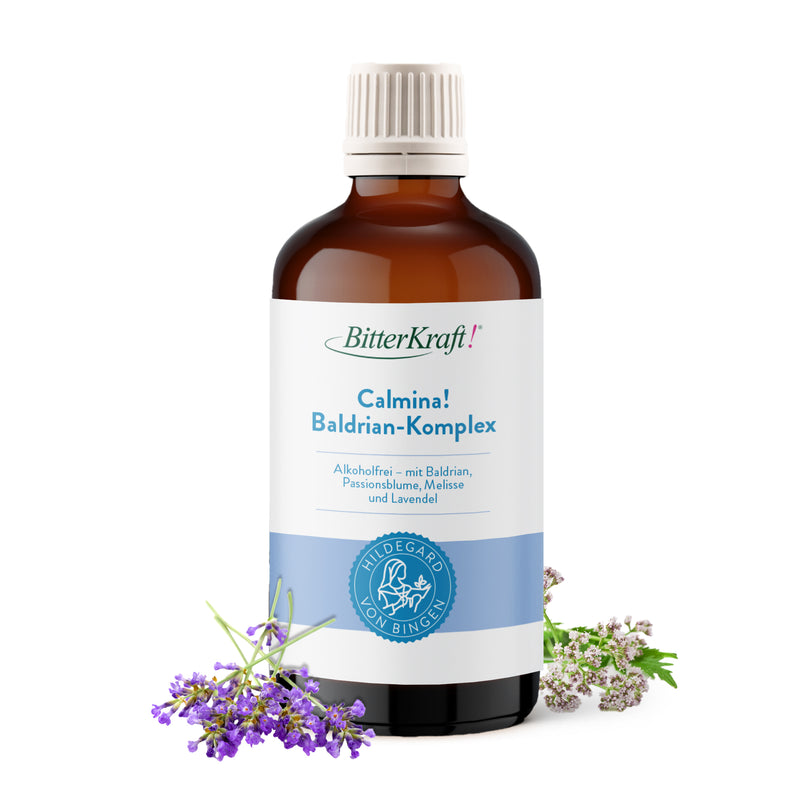
Hildegards Tipp:
- Fein abgestimmtes Nahrungsergänzungsmittel mit Baldrian, Lavendel, Passionsblume & Hopfen
- Rezeptur auf Basis von 800 Jahren Klosterwissen
- Bitterkraft – der Pionier seit 1996 von 4.000 Heilpraktikern verwendet!
- Beste Naturheilkunde: Bio & vegan
Vorkommen von Baldrian
Der Echte Baldrian (Valeriana officinalis) ist ein Geißblattgewächs, das sich im Großteil Europas und weiter östlich in Sibirien und den ostasiatischen Ländern bis hin nach Taiwan umtreibt. Die frostresistente Pflanze mag Sonne und Halbschatten. Mit ihrer Genügsamkeit gedeiht sie auf nahezu jeder Erde, besonders mag sie allerdings feuchte Böden. Überschwemmungen steckt sie in der Regel gut weg, sodass Sie Baldrian häufig auf Wiesen in der Nähe von Wasserläufen finden.
Wirkweise von Baldrian
Vermutlich kennen auch Sie die berühmte Wirkung von Baldrian: Er zählt zu den bekanntesten Heilpflanzen, die einen beruhigenden Effekt haben. Verwendet werden dafür seine Wurzeln und ein Extrakt daraus, häufig in Form von Tropfen und Tabletten.
Bei Anspannung, Nervosität, Unruhe und Schlafstörungen kommt Baldrian zum Einsatz, indem Sie ihn oral zu sich nehmen. Es gibt ihn außerdem auch als Badezusatz für die äußere Anwendung. Noch ist nicht hundertprozentig erschlossen, welcher Stoff genau für die beruhigende Wirkung des Baldrians verantwortlich ist. Vermutlich sind seine einzigartige Zusammensetzung und das Zusammenspiel der einzelnen Komponenten die entscheidenden Faktoren.
Inhaltsstoffe von Baldrian
Zu seinen wichtigsten Wirkstoffen zählen die ätherischen Öle, deren Komplex sich je nach Herkunft des Baldrians unterscheiden kann. Bornylacetat und Bornylisovalerianat zählen dazu. Sie verursachen den charakteristischen Geruch von Baldrian, der Kater so unwiderstehlich anlockt. Der Duft ähnelt dem Lockstoff von Katzen. Darüber hinaus sind Mono- und Sesquiterpene und Valeransäuren im Baldrian vorhanden.
Aussehen von Baldrian
Baldrian wird bis zu zwei Meter hoch. Die krautige Pflanze bildet gefiederte Laubblätter aus, die ungefähr zwanzig Zentimeter lang sind. Ihre ovale Silhouette ist an den Rändern ungleich gesägt. Zwischen Mai und Juli blüht der Baldrian weiß bis hellrosafarben. Die Blüten sind klein, gerade vier bis fünf Millimeter im Durchmesser, und formen schirmartige Gruppen, in denen sie dicht aneinander liegen. Ihr Geruch ist stark und süßlich.
Wissenswertes über Baldrian
Genauso wie der Echte Baldrian zählt der Feldsalat zu den Baldriangewächsen und enthält zum Teil ähnliche Inhaltsstoffe. Mit einem leckeren Feldsalat zum Abendessen liegen Sie also richtig.
Baldrian pflanzen Sie am besten an einem sonnigen bis halbschattigen Ort an. Auch wenn er mit feuchten Böden am besten zurechtkommt, kann er sich mit einem trockenen arrangieren. Die hübschen, süß duftenden Blüten locken im Sommer Schmetterlinge und andere Insekten in Ihren Garten.

Über den Autor Henrik Aulbach
Weitere Artikel
Magenbitterstoffe vor dem Essen: Warum die Reihenfolge entscheidend ist
Magenbitterstoffe vor dem Essen » Nach Hildegard von Bingen ✓ Ohne Zusatzstoffe ✓ Made in Germany – Jetzt mehr erfahren
Bitterstoffreiche Smoothies: Grüne Rezepte für den Verdauungsstart am Morgen
Bitterstoff-Smoothies für den Morgen » Nach Hildegard von Bingen ✓ Vegan ✓ Ohne Zusatzstoffe – Jetzt Rezepte entdecken!
Hildegard von Bingens Dinkelrezepte für eine gesunde Verdauung
Hildegard von Bingens Dinkelrezepte » Nach Hildegard von Bingen ✓ Ohne Zusatzstoffe ✓ Biozertifiziert – Jetzt entdecken