

Henrik Aulbach ist erfahrener Gesundheitsredakteur mit über 10 Jahren Erfahrung, Experte für pflanzliche Wirkstoffe und Kultivierung, Co-Gründer, Buchautor und selbstständiger Fachtexter im Gesundheitswesen seit 2020.
Erfahren Sie hier mehr über diesen Autor.

Passionsblume: Das Wichtigste im Ueberblick
Passionsblume - Die Verkörperung der Passion Christi
Die Passionsblume verkörpert die Passion Christi, die Kreuzigung von Jesus. Schaut man sich die Blüten mit den Augen der ersten J...

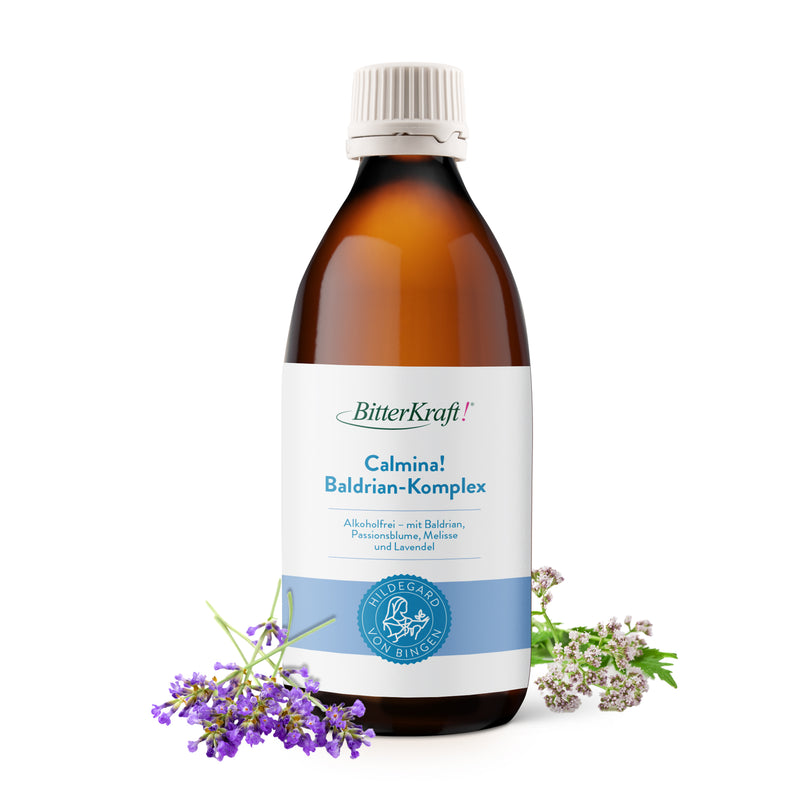
Hildegards Tipp:
- Fein abgestimmtes Nahrungsergänzungsmittel mit Baldrian, Lavendel, Passionsblume & Hopfen
- Rezeptur auf Basis von 800 Jahren Klosterwissen
- Bitterkraft – der Pionier seit 1996 von 4.000 Heilpraktikern verwendet!
- Beste Naturheilkunde: Bio & vegan
Passionsblume - Die Verkörperung der Passion Christi
Die Passionsblume verkörpert die Passion Christi, die Kreuzigung von Jesus. Schaut man sich die Blüten mit den Augen der ersten Jesuiten in Amerika an, kann man darin den gekreuzigten Herren erkennen.
Vorkommen der Passionsblume
Die Passionsblume (Passiflora) mit ihren betörend schönen Blüten findet sich bei uns nur in Gärten und Zimmern, denn die Schönheit stammt ursprünglich aus den Subtropen und Tropen. Die Kletterpflanze mag es warm und gleichmäßig feucht. Es gibt zahlreiche Arten von Passionsblumen, insgesamt gehören rund 520 Arten zu dieser Gattung, und manche davon wachsen sogar als Sträucher oder Bäume. Die meisten Arten der Passionsblume kommen in Süd- und im südlichen Nordamerika, aber auch in Australien, Asien und auf Madagaskar sind einige Vertreter der Passionsblume heimisch.
Als Heilpflanze pharmazeutisch genutzt wird die fleischfarbene Passionsblume (Passiflora incarnata), die auch Winterharte Passionsblume heißt. Ihre Heimat liegt im Südosten der USA, heute wird die Passionsblume als Arzneipflanze hauptsächlich in Florida und Indien, aber auch in Spanien und Italien angebaut.
Nutzung und Wirkung der Passionsblume
Die nordamerikanischen Ureinwohner bereiteten aus der fleischfarbenen Passionsblume Speisen und Getränke und aßen ihre Früchte gern roh. (Die bei uns angebotenen Passionsfrüchte stammen allerdings von anderen Arten der Passionsblume.) Aber auch als Heilpflanze hat die Passionsblume bei den nordamerikanischen Indianern eine lange Tradition. Sie fertigten aus den Wurzeln der Passionsblume Zubereitungen, die sie unterschiedlich verwendeten: So tranken die Cherokee Wurzeltee gegen Leberbeschwerden und nutzten Breiumschläge aus gemahlener Wurzel bei Schnittwunden oder bei Entzündungen.
Nutzung als angstlösende Heilpflanze in Europa
In Europa wird die Passionsblume seit dem 20. Jahrhundert insbesondere bei leichten Symptomen nervöser Unruhezustände, als Einschlafhilfe oder auch als angst- und krampflösendes Mittel angewandt; allerdings nur die oberirdischen Teile, also Blätter und Blüten der Passionsblume, nicht die Wurzel. Passionsblumenkraut findet sich in Nahrungsergänzungsmitteln und freiverkäuflichen pflanzlichen Arzneimitteln oft in Kombination mit anderen Pflanzen, insbesondere Baldrian, Weißdorn,Hopfenoder Johanniskraut.
Der „Studienkreis Entwicklungsgeschichte der Arzneipflanzen“ wählte die Passionsblume (Passiflora incarnata) wegen ihres Wirkungsprofils und der langen Nutzungsgeschichte zur Arzneipflanze des Jahres 2011.
Wie wirkt die Passionsblume? Ihr Einfluss auf das GABA-System
In Laborversuchen wurde nachgewiesen, dass Extrakten aus Passiflora incarnata bei Nagern eine sedierende und angstlösende Wirkung haben, und die Inhaltsstoffe der Passionsblume direkt auf das GABA-System im Gehirn wirken. Der neuronale Botenstoff GABA spielt eine große Rolle bei der Kontrolle von Angst und Stressreaktionen. Die Forschung geht davon aus, dass die Bindung eines Inhaltsstoffes im Passionsblumen-Extrakt an den GABA-A-Rezeptor für die klinische Wirksamkeit verantwortlich ist. [2] Welche Inhaltsstoffe in der Passionsblume aber genau für die pharmakologischen Wirkungen verantwortlich sind, ist noch nicht eindeutig geklärt, wahrscheinlich handelt es sich auch um ein Substanzgemisch.
Dem Passionsblumenkraut werden traditionell folgende positive Wirkungen zugeschrieben:
bei nervösen Zuständen
bei leichten Einschlafstörungen
krampflösende und
angstlösende Eigenschaften.
Insgesamt stützt sich die Anwendung der Passionsblume „Passiflorae herba“ auf die seit langem belegte volksmedizinische Tradition und die Ergebnisse tierexperimenteller Untersuchungen. Laut einer Übersichtsarbeit von 2013 hat die Passionsblume in präklinischen Experimenten ein breites Spektrum an pharmakologischen Aktivitäten gezeigt. Dazu zählen anxiolytische (angstmildernde), sedierende, hustenstillende, anti-asthmatische und anti-diabetische Aktivitäten. Es gibt, so die Autoren, jedoch nicht genügend gut dokumentierte, kontrollierte klinische Studien mit ausreichender Teilnehmerzahl. Die Autoren kommen zu dem Schluss, dass neue klinische Studien mit einer strengeren Methodik durchgeführt werden sollten, um die traditionelle Wirksamkeit von Passiflora incarnata L. zu bewerten. [1]
Wie wird Passionsblume eingenommen?
Es gibt einige Darreichungsformen der Passionsblume. Am häufigsten wird sie als Tee eingenommen, häufig auch in der Form von Teemischungen. Ansonsten sind Tinkturen die häufigste Darreichungsform: Hier werden die Inhaltsstoffe in eine alkoholische Lösung gegeben.
Für einen Tee geben Sie ein bis zwei Teelöffel Passionsblumenkraut in eine Tasse. Gießen Sie diese mit kochendem Wasser auf, die Ziehzeit beträgt 10 Minuten. Bis zu drei Tassen dieses Tees könne täglich getrunken werden, wobei die Einnahme als Kur empfohlen wird. Die meisten Nutzer setzen also darauf, für rund einen Monat jeden Tag intensiv Tees aus der Passionsblume zu trinken.
Für eine Tinktur füllen Sie ein Schraubglas mit Passionsblumen. Übergießen Sie diese nun mit Doppelkorn oder Weingeist. Stellen Sie das Glas verschlossen an einen warmen Ort für bis zu 6 Wochen. Sieben Sie dann die festen Bestandteile heraus und füllen Sie es in eine dunkle Flasche um.
Zu guter Letzt können Sie natürlich auch Fertigpräparate wie Kapseln kaufen und über diese Extrakte der Passionsblume einnehmen. Wenn Sie auf die richtige Darreichungsform und einen guten Hersteller setzen, könnten Sie hiermit am besten davonkommen.
Inhaltsstoffe der Passiflora incarnata
Die chemische Zusammensetzung verschiedener aus der Passionsblume gewonnener Produkte ist von der Wissenschaft intensiv untersucht worden. Gefunden wurden v.a. Flavonoide, Cumarine und ätherisches Öl. Die Ergebnisse zeigen, dass verschiedene bioaktive Bestandteile zu den berichteten klinischen Wirkungen beitragen können und wahrscheinlich synergistisch wirken, das heißt, sich gegenseitig verstärken. Derzeit gehen die Forscher davon aus, dass bisher aber nicht alle pharmakologisch aktiven Verbindungen genau identifiziert worden sind. [1] Als pharmakologisch wirksamen Substanzgruppe in der Passionsblume vermutet man die Flavonoide.
Aussehen der Passionsblume
Passiflora incarnata wächst als immergrüner Strauch mit weitreichenden Wurzeln, von denen bis zu 6 Meter lange Triebe ausgehen. Ab Juni beginnt die fleischfarbene Passionsblume zu blühen und begeistert mit ihren faszinierenden circa 8 cm großen Blüten, die sich am Ende eines jeweils einzelnen Stiels befinden. Grün-weiße Kelch- und blass rosafarbene Kronblätter ordnen sich abwechselnd um die Corona an. Diese setzt sich aus 100 Fortsätzen zusammen, gewellt wie Fransen und in vielen Varianten gefärbt. Griffel und Staubblätter der Fleischfarbenen Passionsblume bilden eine Mittelsäule.
Die christliche Symbolik dahinter
Es ist verblüffend, wie viele christliche Symbolen die Passionsblume aufgreift. Nicht ohne Grund wurde sie nach der Passion Christi benannt:
Jeweils fünf Kelch- und Kronblätter stehen für die 10 Apostel, welche bei der Kreuzigung anwesend waren.
Der Strahlenkranz steht für die Dornenkrone Jesu.
Drei Griffel mit Narben stehen für die Nägel am Kreuz.
Fünf Staubbeutel stehen für die Wundmale Christi.
Der Fruchtknoten steht wahlweise für den Schwamm mit Essig oder den Kelch des Abendmahls.
Die Blätter mit ihren drei Lappen zeigen die heilige Dreifaltigkeit.
Ungelappte Blätter stehen für die Lanze, mit welcher Jesus vermeintlicher Tod überprüft wurde.
Passionsfalter und ihre Passionsblumen
Wer Zuhause oder im Garten Passionsblumen stehen hat, kann manchmal den wunderbaren Anblick von Passionsfaltern oder anderen Schmetterlingen genießen. Das liegt daran, dass die wunderschöne Blüte der Passionsblume Schmetterlinge imitiert, um bestäubt zu werden. Man bezeichnet das auch als mimetische Blütenstrategie. Hinzu kommt, dass die Passionsblume süßen Nektar produziert, um noch attraktiver für Bestäuber zu sein. Besonders häufig werden Sie vermutlich Passionsfalter auf Ihren Blüten sehen. Von der Passionsblume angezogen sind darüber hinaus Pfauenspinner, Schillerfalter und Königin-Falter.
Unterhaltsame Fakten über Passionsblumen
In den außergewöhnlich schönen Blüten der Passionsblume glaubten die christlichen Missionare Insignien der Passion Christi zu sehen. Diesem Umstand hat die Pflanze ihren Namen zu verdanken: Passiflora incarnata heißt so übersetzt die fleischgewordene Passionsblume.
In Präparaten verwendet wird nur die Fleischfarbene Passionsblume Passiflora incarnata, auch wenn auf der Verpackung fälschlich oft andere Arten wie die Blaue Passionsblume (Passiflora caerulea) dargestellt ist.
Quellen
- Miroddia M et al. (2013) Passiflora incarnata L.: Ethnopharmacology, clinical application, safety and evaluation of clinical trials. Journal of Ethnopharmacology. 150: 791–804. DOI: 10.1016/j.jep.2013.09.047
- Appel K et al. (2011) Modulation of the γ-aminobutyric acid (GABA) system by Passiflora incarnata L. Phytotherapy Research 25: 838–843. DOI: 10.1002/ptr.3352
Passionsblume: Häufig gestellte Fragen
Welche Bedeutung hat die Passionsblume in Bezug auf die Passion Christi?
Als erstmals Jesuiten in der Neuen Welt ankamen und die Passionsblume sahen, fanden Sie darin christliche Symboliken für die Kreuzigung Jesu. Weiter oben haben wir die einzelnen Symbole mit ihrer Bedeutung betrachtet.
Wie viele Arten von Passionsblumen gibt es?
Natürlich entstandene Arten kennen wir bereits über 530 an der Zahl. Sie stammen überwiegend aus tropischen und subtropischen Gebieten der amerikanischen Kontinente.
Gibt es Fertigpräparate mit Passionsblumenextrakt?
Ja, die gibt es. Und weil sich die Passionsblume einer immer größeren Beliebtheit erfreut, gibt es immer mehr und bessere Extrakte. Wir empfehlen, nach Kapseln zu suchen, die möglichst nur das Passionsblumenextrakt und das Material für die Kapselhülle enthalten. Sobald Füllstoffe wie Magnesiumstearat, Talkum, Titandioxid oder dergleichen enthalten ist, spricht das gegen die Qualität des Präparats.
Gibt es ausreichend kontrollierte klinische Studien zur Passionsblume?
An dieser Frage spalten sich die Geister. Leider gibt es kaum bzw. keine klinische Studien, welche mit einer riesigen Teilnehmerzahl unumstößliche Erkenntnisse zutage gefördert haben. Darum ist der Gebrauch von Passionsblumenextrakt eher traditionell bedingt. Gleichzeitig gilt der Gebrauch von Passionsblumen als “well-established use”, weil Hinweise auf die Wirksamkeit bestehen und weil der Gebrauch unbedenklich ist. Es gibt bspw. ein zugelassenes Präparat namens Lioran, welches Passionsblume enthält. Es wirbt damit, gegen Angstzustände und Stress helfen zu können.

Über den Autor Henrik Aulbach
Weitere Artikel
Magenbitterstoffe vor dem Essen: Warum die Reihenfolge entscheidend ist
Magenbitterstoffe vor dem Essen » Nach Hildegard von Bingen ✓ Ohne Zusatzstoffe ✓ Made in Germany – Jetzt mehr erfahren
Bitterstoffreiche Smoothies: Grüne Rezepte für den Verdauungsstart am Morgen
Bitterstoff-Smoothies für den Morgen » Nach Hildegard von Bingen ✓ Vegan ✓ Ohne Zusatzstoffe – Jetzt Rezepte entdecken!
Hildegard von Bingens Dinkelrezepte für eine gesunde Verdauung
Hildegard von Bingens Dinkelrezepte » Nach Hildegard von Bingen ✓ Ohne Zusatzstoffe ✓ Biozertifiziert – Jetzt entdecken