
Henrik Aulbach ist erfahrener Gesundheitsredakteur mit über 10 Jahren Erfahrung, Experte für pflanzliche Wirkstoffe und Kultivierung, Co-Gründer, Buchautor und selbstständiger Fachtexter im Gesundheitswesen seit 2020.
Erfahren Sie hier mehr über diesen Autor.

PCO-Syndrom natürlich behandeln: Die Möglichkeiten der Naturheilkunde
Mehr über das PCO-Syndrom
PCO-Syndrom steht für das polyzystische Ovariensyndrom. Es ist eine der häufigsten Erkrankungen des weiblichen Hormonhaushalts, jede zehnte Frau in Deutschland ist davon betroffen. Die Symptome dieser Erkrankung können vielseitig sein und die Lebensqualität massiv einschränken. Da die chronische Erkrankung ein Leben lang behandelt werden muss, wird Naturheilkunde als gut verträgliche Alternative immer populärer. Ob diese helfen kann, erfahren Sie hier.

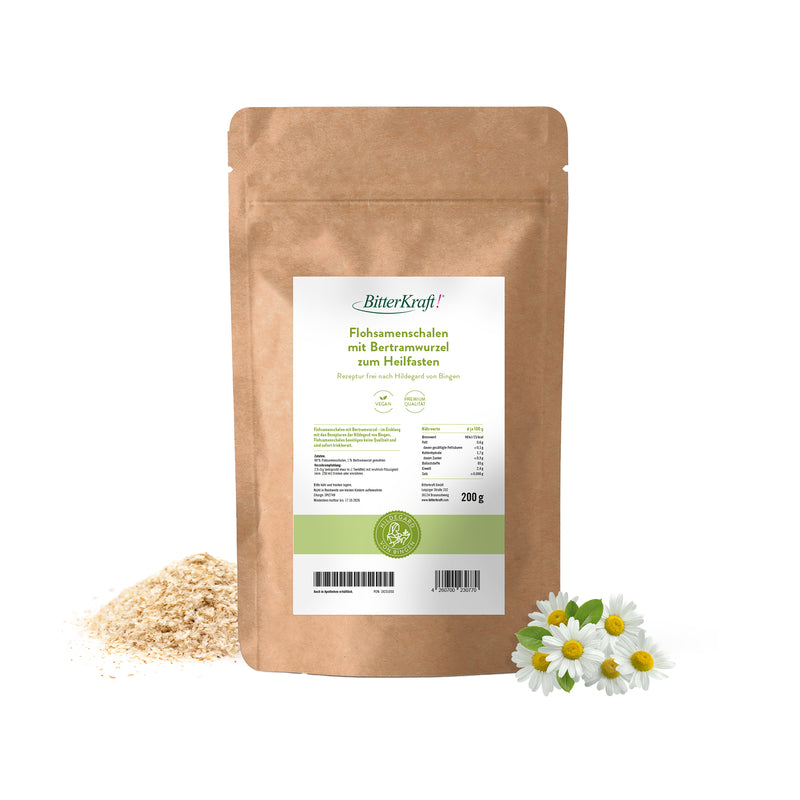
Hildegards Tipp:
- Nahrungsergänzung mit hohem Ballaststoffgehalt
- Rezeptur auf Basis von 800 Jahren Klosterwissen
- Bitterkraft - der Pionier seit 1996 von 4.000 Heilpraktikern verwendet!
- Beste Naturheilkunde: Bio & vegan
Definition des PCO-Syndroms
Das PCO-Syndrom zeichnet sich durch zu viele männliche Sexualhormone (Androgene) aus. Es tritt bei Frauen im gebärfähigen Alter auf und ist eine der häufigsten endokrinen Störungen. Stein-Leventhal-Syndrom ist eine weitere Bezeichnung für diese Krankheit. Da das männliche Sexualhormon zahlreiche Prozesse im Organismus beeinflussen kann, sind die Symptome dementsprechend mannigfaltig.
Symptome und Diagnose des PCO-Syndroms
Meistens bemerken Betroffene des PCO-Syndroms folgende Symptome:
- Unregelmäßiger Menstruationszyklus: Seltene und unregelmäßige Monatsblutungen sind charakteristisch für das PCO-Syndrom. Längere Monatsblutungen können ebenfalls auf das Syndrom hindeuten.
- Anovulation: Weil die monatliche Eizellreifung gestört werden oder sogar ausbleiben kann, erfolgt oft nicht regelmäßig der Eisprung.
- Polyzystische Ovarien: Die Eierstöcke bilden charakteristische Fehlbildungen aus. Zu diesen gehören kleine Follikel (Zysten), die auf Ultraschallbildern ersichtlich sein können.
Weitere Folgen der erhöhten Menge an männlichen Sexualhormonen können folgende sein:
- Hirsutismus: Vermehrter Haarwuchs im Gesicht, am Bauch, der Brust, denen Beinen und dem Rücken weisen oftmals auf diese Erkrankung hin. Diese männlichen Behaarungsmuster sind für Frauen untypisch.
- Akne: Androgene lösen oft eine erhöhte Talgproduktion aus, was vermehrt zu Akne führen kann.
- Haarausfall: Der diffuse Haarausfall bei Frauen ist gelegentlich ein Hinweis auf das PCO-Syndrom.
- Fertilitätsprobleme: Menschen mit PCO-Syndrom können aufgrund der Unregelmäßigkeit der Eisprünge Probleme mit der Empfängnis haben.
Die Intensität dieser Symptome kann aufgrund unterschiedlicher Ursachen variieren. Besonders ist die Menge an Androgenen zu nennen, die nicht bei allen Betroffenen des PCO-Syndroms gleich ist. Bei manchen Betroffenen liegen also mehr Androgene vor als bei anderen.
Die Diagnose umfasst meistens einige Untersuchungen, zumal andere Erkrankungen ausgeschlossen werden müssen. Zu aller Anfang erfolgt die Anamnese, also das Arztgespräch, bei dem die ausführliche Krankengeschichte erhoben wird. Hier werden Sie nach Symptomen etc. befragt.
Besteht anschließend der Verdacht auf PCO-Syndrom, folgen körperliche Untersuchungen. Untersucht werden bspw. Anzeichen auf Hirsutismus, Akne, oder Übergewicht. Auch können die Eierstöcke mittels Ultraschall betrachtet werden, ggf. erkennt der Arzt die polyzystischen Ovarien.
Anschließend erfolgt eine hormonelle Analyse, welche durch eine Blutuntersuchung möglich ist. Hier werden Hormone wie Testosteron, Östrogen, Progesteron, LH und FSH untersucht.
Nun muss der Arzt noch andere Krankheiten ausschließen, weshalb ggf. weitere Untersuchungen erfolgen können. Ist keine andere Ursache für Ihre Beschwerden verantwortlich, erfolgt die Diagnose PCO-Syndrom.
Die Behandlung in der Schulmedizin
Die Behandlung des PCO-Syndroms ist mittlerweile recht gut möglich. So stehen Medizinern verschiedene Mittel zur Wahl. Sie werden im Arztgespräch bestimmen, welche Behandlung für Sie am besten ist. Folgende Methoden werden typischerweise angewandt:
- Hormonelle Verhütungsmittel: Kombinationspillen, bspw. aus Östrogen und Gestagen, können zu einem regelmäßigen Eisprung verhelfen. Gleichzeitig könnte wieder für hormonelle Balance gesorgt werden, wodurch bspw. der vermehrte Haarwuchs und Akne verschwinden könnten.
- Antiandrogene Medikamente: Diese können verschrieben werden, um die Wirkungen männlicher Hormone zu blockieren. Sind Hirsutismus und Akne die Hauptprobleme, kann das sehr sinnvoll sein.
- Metformin: Dieses Medikament wird eigentlich bei Insulinresistenz und Diabetes verwendet. Bei Frauen mit PCO-Syndrom könnte es helfen, den Blutzuckerspiegel zu regulieren und somit die Produktion von Androgenen zu unterbinden.
- Ovulationsinduktion: Betroffene des PCO-Syndroms können bei Fertilitätsproblemen eine Ovulationsinduktion vornehmen. Hierbei wird der Eisprung durch gewisse Medikamente stimuliert, wodurch sich ggf. die Fruchtbarkeit verbessern lässt.
- Gewichtsmanagement: Ist Übergewicht oder Untergewicht die Ursache für das Syndrom, könne ein gesundes Gewichtsmanagement die Symptome verbessern.
- Chirurgie: Unter Umständen hilft ein chirurgischer Eingriff, bei dem die Zysten entfernt werden.

PCO-Syndrom mit Naturheilkunde behandeln
Manche Frauen erfahren durch diese Mittel leider keine Abhilfe. Wir wollen jedoch in jedem Fall dazu raten, die schulmedizinischen Methoden mit Ihrem Arzt durchzugehen und auszuprobieren. Die Naturheilkunde sollte bestenfalls ergänzend zu diesen Ansätzen verwendet werden. Vorteilhaft finden viele betroffene Frauen den ganzheitlichen Ansatz der Naturheilkunde. Wichtig ist die Anmerkung, dass die nachfolgenden Ansätze keinerlei medizinische Evidenz für ihre Wirksamkeit aufweisen. Es handelt sich also um traditionelle Methoden, die bspw. durch Erfahrungsberichte erklärt werden.
Ernährungsumstellungen sind eine typische Methode. Hierfür werden Heilpraktiker oder Ärzte zurate gezogen. Ggf. könnte eine FODMAP-arme Ernährung helfen.
Phytotherapie ist ein weiterer Einsatz. Man erhofft sich, dass gewissen Heilpflanzen und Kräuter regulierend auf den Hormonhaushalt wirken könnten. Typischerweise werden die Kräuter Bockshornklee, Mönchspfeffer und Frauenmantel empfohlen.
Akupunktur könnte gemäß der Meridian-Lehre helfen, um etwa den Energiefluss im Körper zu beeinflussen. Diese Methode ist der Traditionellen Chinesischen Medizin zuzuordnen.
Entspannungstechniken und Stressmanagement werden eingesetzt, weil Stress die PCO-Syndrom Symptome ggf. verschlimmern kann. Entspannende Meditationen, Yoga oder autogenes Training sind typische Ansätze. In diesem Rahmen könnte wohl auch Bewegung hilfreich sein, bspw. um die Gewichtsregulierung zu unterstützen.
Nahrungsergänzungsmittel könnten als ergänzende Therapie sinnvoll sein. Das sollten Sie bei Bedarf mit Ihrem Arzt abklären.
Fazit: individuelle Behandlung gegen PCO-Syndrom
Schlussendlich müssen Sie eine individuelle Behandlung mit Ihrem Arzt herausarbeiten, welche in Ihrem Fall hilft. Sich einzig und allein auf die Naturheilkunde zu verlassen, wird vermutlich nicht die gewünschten Ergebnisse erbringen. Oft wird die Naturheilkunde jedoch ergänzend verwendet. Klären Sie das gerne mit Ihrem Arzt ab, um eine maßgeschneiderte Therapie zu erhalten.
PCO-Syndrom natürlich behandeln: Häufig gestellte Fragen
Was ist das PCO-Syndrom?
Das PCO-Syndrom entsteht durch zu viele männliche Sexualhormone (Androgene) im Frauenkörper. Das sorgt in erster Linie für die Entstehung von polyzystischen Ovarien, die schmerzhaft sein können. Ein unregelmäßiger Eisprung verbunden mit einer unregelmäßigen Monatsblutung sind weitere charakteristische Symptome des polyzystischen Ovarialsyndroms.
Welche Wege kennt die Naturheilkunde gegen PCO-Syndrom?
Die Naturheilkunde kennt einige Ansätze, die ergänzend zur Behandlung der Schulmedizin sinnvoll sein können. Wichtig ist, dass eine richtige Behandlung ärztlich abgesprochen werden sollte, damit eine möglichst hohe Lebensqualität gewahrt werden kann. Folgende Ansätze werden typischerweise in der Naturheilkunde empfohlen:
- Ernährungsumstellung
- Phytotherapie
- Akupunktur
- Entspannungstechniken und Stressmanagement
- Bewegung und Sport
- Nahrungsergänzungsmittel
Diese Ansätze beweisen jedoch keine medizinische Evidenz. Sie sind also nicht durch Studien belegt und begründen sich meistens durch Tradition und Erfahrungsberichte.

Über den Autor Henrik Aulbach
Weitere Artikel
Magenbitterstoffe vor dem Essen: Warum die Reihenfolge entscheidend ist
Magenbitterstoffe vor dem Essen » Nach Hildegard von Bingen ✓ Ohne Zusatzstoffe ✓ Made in Germany – Jetzt mehr erfahren
Bitterstoffreiche Smoothies: Grüne Rezepte für den Verdauungsstart am Morgen
Bitterstoff-Smoothies für den Morgen » Nach Hildegard von Bingen ✓ Vegan ✓ Ohne Zusatzstoffe – Jetzt Rezepte entdecken!
Hildegard von Bingens Dinkelrezepte für eine gesunde Verdauung
Hildegard von Bingens Dinkelrezepte » Nach Hildegard von Bingen ✓ Ohne Zusatzstoffe ✓ Biozertifiziert – Jetzt entdecken