
Henrik Aulbach ist erfahrener Gesundheitsredakteur mit über 10 Jahren Erfahrung, Experte für pflanzliche Wirkstoffe und Kultivierung, Co-Gründer, Buchautor und selbstständiger Fachtexter im Gesundheitswesen seit 2020.
Erfahren Sie hier mehr über diesen Autor.

Bockshornklee – Wirkung und mehr
Alles zum Bockshornklee

Hildegards Tipp:
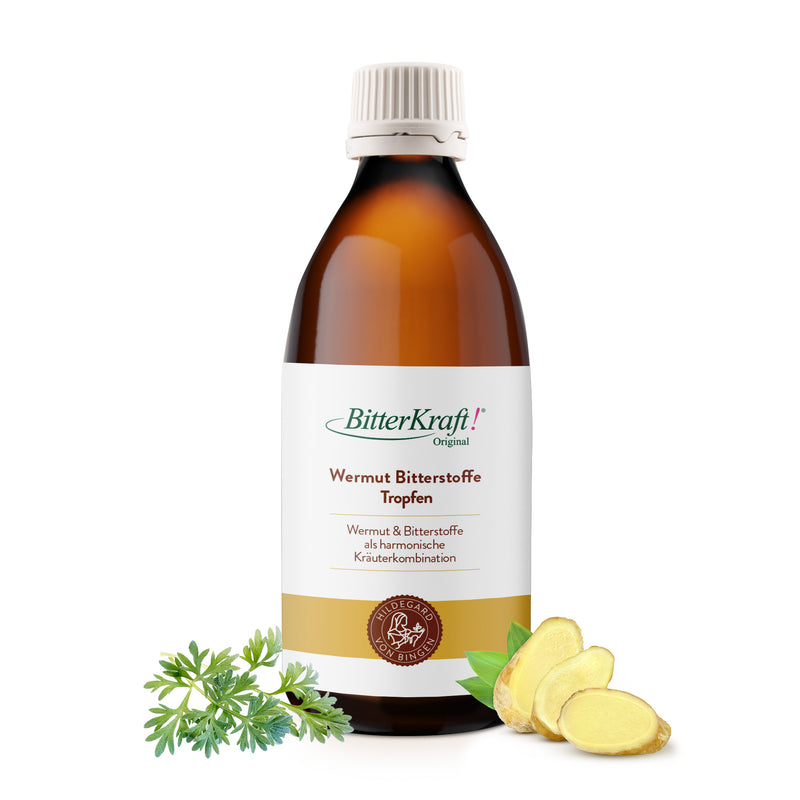
- Erlesene Bittertropfen mit Wermuth nach Hildegard Von Bingen
- Rezeptur auf Basis von 800 Jahren Klosterwissen
- Bitterkraft – der Pionier seit 1996 von 4.000 Heilpraktikern verwendet!
- Beste Naturheilkunde: Bio & vegan
Vorkommen von Bockshornklee
Bockshornklee (Trigonella foenum-graecum) zählt zu den Hülsenfrüchten und mag sehr viel Sonne. Entsprechend stammt er ursprünglich aus Asien, treibt sich heute aber auch in Afrika, Südeuropa, Indien und dem Mittelmeerraum herum. Als er vor tausend Jahren zu uns gelangte, wurde er vielerorts in Klostergärten angebaut und war aus der Kräuterapotheke nicht mehr wegzudenken. Auch Hildegard von Bingen schwärmte vom Bockshornklee und seiner Wirkung.
Er mag lehmige Böden an sonnigen Plätzchen. Trockenheit und ein hoher Salzgehalt der Erde machen ihm nicht viel aus. Insgesamt ist er recht anspruchslos.
Wirkweise von Bockshornklee
Der würzige Geschmack von Bockshornklee macht ihn zu einer beliebten Zutat für Salate, Käse und Brot. Er mundet sowohl frisch als auch getrocknet und passt zum Fasten. Daneben ist er eine vielseitige Heilpflanze, die bei unterschiedlichsten Beschwerden Unterstützung liefert.
Er ist schon seit der Antike ein natürliches Mittel, um sanft gegen Haarausfall vorzugehen. Auch bei Atemwegs- und entzündlichen Hauterkrankungen ist die Wirkung von Bockshornklee eine Wohltat. Verwenden Sie ihn für die innere Anwendung in Tablettenform oder als Tee. Für Letzteren zerstoßen Sie zwei Teelöffel Samen, übergießen sie mit kaltem Wasser und lassen es drei Stunden ziehen. Im Anschluss kochen Sie den Sud auf, damit er steril ist.
Inhaltsstoffe von Bockshornklee
Bockshornklee steckt voller Vitamine, darunter Vitamin B3 (Niacin), B6, A und C sowie Thiamin, Folsäure, Riboflavin, Mineralstoffe und Ballaststoffe.
Aussehen von Bockshornklee
Die krautige Pflanze wird zwischen 30 und 80 Zentimeter hoch und besitzt runde, verzweigte Stängel, die aufrecht wachsen. Die Blätter erinnern an Klee. Von April bis Juli blüht er mit cremefarbenen bis hellgelben Blüten. Seine Samen befinden sich in länglichen, hornförmigen Hülsen, die dem Bockshornklee seinen Namen verleihen. Er sondert einen starken Geruch ab.

Über den Autor Henrik Aulbach
Weitere Artikel
Magenbitterstoffe vor dem Essen: Warum die Reihenfolge entscheidend ist
Magenbitterstoffe vor dem Essen » Nach Hildegard von Bingen ✓ Ohne Zusatzstoffe ✓ Made in Germany – Jetzt mehr erfahren
Bitterstoffreiche Smoothies: Grüne Rezepte für den Verdauungsstart am Morgen
Bitterstoff-Smoothies für den Morgen » Nach Hildegard von Bingen ✓ Vegan ✓ Ohne Zusatzstoffe – Jetzt Rezepte entdecken!
Hildegard von Bingens Dinkelrezepte für eine gesunde Verdauung
Hildegard von Bingens Dinkelrezepte » Nach Hildegard von Bingen ✓ Ohne Zusatzstoffe ✓ Biozertifiziert – Jetzt entdecken