

Henrik Aulbach ist erfahrener Gesundheitsredakteur mit über 10 Jahren Erfahrung, Experte für pflanzliche Wirkstoffe und Kultivierung, Co-Gründer, Buchautor und selbstständiger Fachtexter im Gesundheitswesen seit 2020.
Erfahren Sie hier mehr über diesen Autor.

Salbei: Wirkung, Anwendung und Dosierung
Vorkommen von Salbei
Der Echte Salbei (Salvia officinalis) gelangte bereits im frühen Mittelalter aus dem Mittelmeerraum nach Mitteleuropa und ist hier inzwischen weit verbreitet. Es...

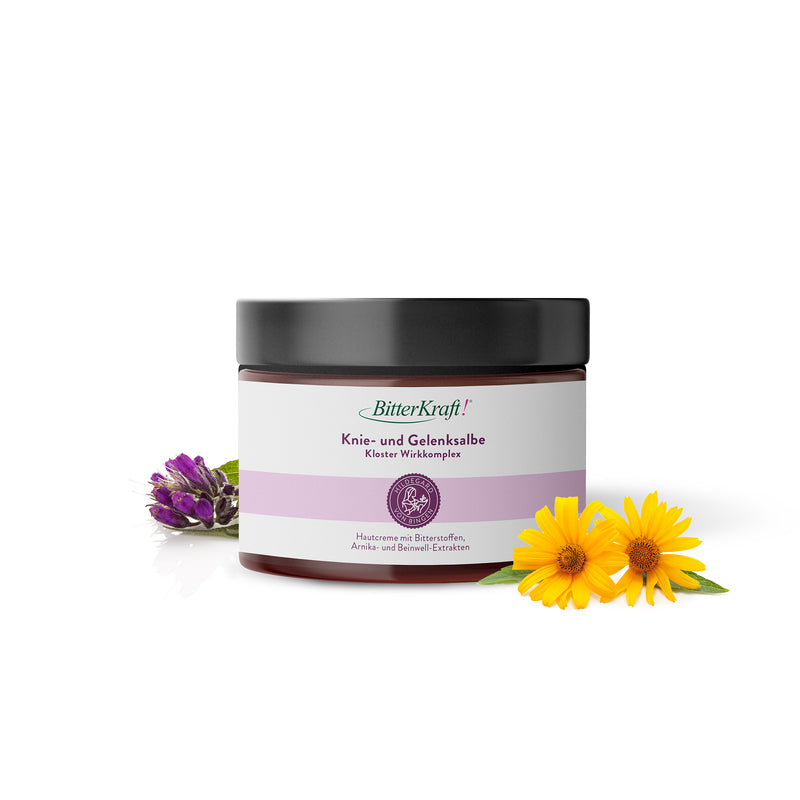
Hildegards Tipp:
- Salbe für beanspruchte Haupartien von Knien und Gelenken nach Hildegard von Bingen
- Rezeptur auf Basis von 800 Jahren Klosterwissen
- Bitterkraft – der Pionier seit 1996 von 4.000 Heilpraktikern verwendet!
- Beste Naturheilkunde: Bio & vegan
Vorkommen von Salbei
Der Echte Salbei (Salvia officinalis) gelangte bereits im frühen Mittelalter aus dem Mittelmeerraum nach Mitteleuropa und ist hier inzwischen weit verbreitet. Es waren Mönche, die die Salbeiblätter wegen ihrer schon seit der Antike bekannten Heilwirkung über die Alpen in nördlichere Regionen brachten. Zwar gehört Salbei schon lange auch in unseren heimischen Gärten zum typischen Erscheinungsbild, doch seine warme Heimat macht ihn sehr kälteempfindlich. Echter Salbei braucht viel Sonne, mit Wassermangel kommt er dagegen sehr gut aus. Deshalb gedeiht er auch auf trockenen und steinigen Böden, am besten mit Kalk angereichert.
Inhaltsstoffe von Salbei
Die vielfach gerühmte Heilwirkung des immergrünen Krautes geht auf die Salbeiblätter zurück. Die wichtigsten Inhaltsstoffe der Blätter machen ätherisches Öl, Gerb- sowie Bitterstoffe, Diterpene, Triterpene und Flavonoide aus. Salbeiblätter anderer Arten enthalten ähnliche Wirkstoffe, unterscheiden sich jedoch in ihrer Zusammensetzung vom Echten Salbei.
Wirkweise von Salbei
Wegen seines markanten leicht bitteren Geschmacks findet der Echte Salbei in der Küche als Gewürz vielfach Verwendung. Getrocknete oder frisch gezupfte Salbeiblätter geben deftigen Speisen einen zusätzlichen Pepp. Als Gewürz passt das Küchenkraut sehr gut zu Fleischgerichten, Fisch und Kräuterkäse. Frische Salbeiblätter werden gern als Geflügelfüllungen genutzt. Lecker schmeckt auch ein Salbeitee.
Besonders wertvoll zeigt sich Echter Salbei als Heilpflanze – eine Verwendungsart, auf die bereits sein Name hindeutet: So wird das lateinische salvus mit ganz, heil und gesund übersetzt. Salbeiblätter versprechen eine entzündungshemmende Wirkung im Mund- und Rachenraum. Deshalb hilft die Pflanze gut bei Infekten der oberen Atemwegen oder Zahnfleischentzündungen. Außerdem wirken Salbeiblätter schweißhemmend. Aus diesem Grund wird bei Schweißfüßen häufig ein Fußbad mit Salbei empfohlen.
Die traditionelle Heilkunde nutzt Salbeiblätter auch zur Behandlung von Magen- und Darmbeschwerden. Blähungen und Völlegefühl sollen sich mit Salbei vertreiben lassen. Besonders gut soll er die Fettverdauung unterstützen.
Aussehen von Salbei
Echten Salbei erkennen Sie an seinen charakterlichen Blättern. Sie sind schmal und laufen zu ihrem Ende hin spitz zu. Dabei ist die Oberseite der Salbeiblätter von einer silbrigen Haarschicht überzogen, die Unterseite eher filzig behaart.
Wissenswertes über Salbei
In der Schwangerschaft und Stillzeit wird Salbei nicht angeraten. Das liegt an der zusammenziehenden Wirkung der Salbeiblätter, die frühzeitige Wehen auslösen könnten. Obendrein sollen sie die Milchproduktion hemmen.

Über den Autor Henrik Aulbach
Weitere Artikel
Magenbitterstoffe vor dem Essen: Warum die Reihenfolge entscheidend ist
Magenbitterstoffe vor dem Essen » Nach Hildegard von Bingen ✓ Ohne Zusatzstoffe ✓ Made in Germany – Jetzt mehr erfahren
Bitterstoffreiche Smoothies: Grüne Rezepte für den Verdauungsstart am Morgen
Bitterstoff-Smoothies für den Morgen » Nach Hildegard von Bingen ✓ Vegan ✓ Ohne Zusatzstoffe – Jetzt Rezepte entdecken!
Hildegard von Bingens Dinkelrezepte für eine gesunde Verdauung
Hildegard von Bingens Dinkelrezepte » Nach Hildegard von Bingen ✓ Ohne Zusatzstoffe ✓ Biozertifiziert – Jetzt entdecken