

Henrik Aulbach ist erfahrener Gesundheitsredakteur mit über 10 Jahren Erfahrung, Experte für pflanzliche Wirkstoffe und Kultivierung, Co-Gründer, Buchautor und selbstständiger Fachtexter im Gesundheitswesen seit 2020.
Erfahren Sie hier mehr über diesen Autor.

Thymian in der Klostermedizin
Vorkommen von Thymian
Der Echte Thymian (Thymus vulgaris), auch bekannt unter dem Namen Quendel, ist ein Halbstrauch, der aus dem Mittelmeerraum stammt und in der mediterranen Küc...

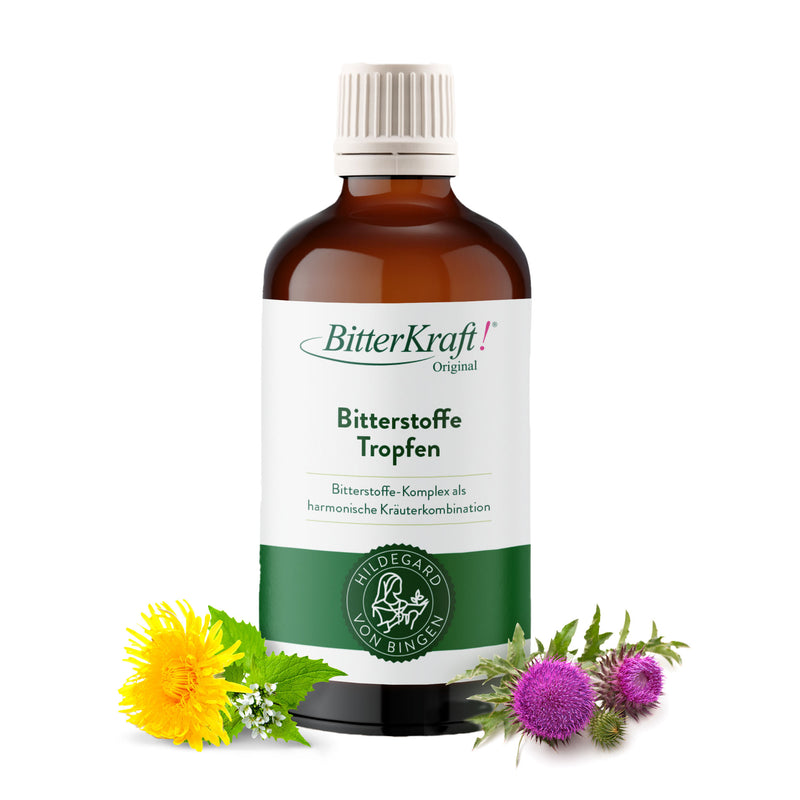
Hildegards Tipp:
- Wertvolle Bitterstoffe nach Hildegard Von Bingen
- Rezeptur auf Basis von 800 Jahren Klosterwissen
- Bitterkraft – der Pionier seit 1996 von 4.000 Heilpraktikern verwendet!
- Beste Naturheilkunde: Bio & vegan
Vorkommen von Thymian
Der Echte Thymian (Thymus vulgaris), auch bekannt unter dem Namen Quendel, ist ein Halbstrauch, der aus dem Mittelmeerraum stammt und in der mediterranen Küche sehr beliebt ist. Nicht zuletzt gehört der Thymian zu den „Big Five“ Gewürze der dortigen Kulinarik.
Benediktinermönche brachten das Kraut zu uns in die mittelalterlichen Klostergärten, wo es schon Hildegard von Bingen begeisterte. Eingesetzt wurde es u. a. zum Entwurmen und in Salben. Heute ist das Gewürz und die Heilpflanze nicht mehr aus heimischen Gärten und Rezepten wegzudenken, kleinere Thymianpflanzen überleben auch auf der Fensterbank ganz gut.
Echten Thymian können Sie sowohl im Beet als auch im Topf anpflanzen. Er liebt es wie in seiner Heimat – vollsonnig, kuschelig warm und geschützt. Die Erde sollte trocken, locker und nährstoffarm sein, dabei einen hohen Sand- und Kalkgehalt aufweisen.
Wirkweise von Thymian
Schon die alten Ägypter, Griechen und Römer schätzten Thymianpflanzen für ihre belebende Wirkung. Tatsächlich stammt ihre Bezeichnung vom griechischen Wort thymos ab, das so viel wie Kraft und Mut bedeutet. Griechische Krieger sollen vor einer Schlacht stärkende Bäder mit Thymian genommen haben – eine Anwendung, die auch heute noch bei uns beliebt ist.
Wir verwenden Echten Thymian in der Medizin allerdings hauptsächlich bei Beschwerden der oberen Atemwege, etwa Bronchitis und Keuchhusten. Dabei kommt ätherisches Thymianöl zum Einsatz. Ansonsten lieben wir ihn vor allem als Gewürz – er soll sogar angenehm für die Verdauung sein.
Im mediterranen Raum wird das Gewürz etwa bei deftigen Fleischgerichten eingesetzt. Nicht fehlen darf dabei die richtige Mischung an frischem Gemüse. Besonders beliebt ist der Thymian übrigens, weil er lange Zeit im Kochtopf aushält. Andere Kräuter verlieren bei Hitzeeinwirkung schnell Wirkung und Aroma.
Übrigens ist er eine wunderbare Bienenweide. Wenn Sie Ihrem Garten also nicht nur mit der hübschen Blütenpracht und dem würzigen Duft ein mediterranes Flair verleihen, sondern auch einen wertvollen ökologischen Beitrag leisten wollen, ist der Echte Thymian die ideale Pflanze – nicht nur für Bienenzüchter.
Inhaltsstoffe von Thymian
Ausschlaggebend sind seine ätherischen Öle sowie die Gerb- und Bitterstoffe. Flavonoide runden das Angebot ab.
Typischerweise kann das ätherische Thymianöl bei Atemwegserkrankungen helfen. Das ist auf seine mögliche antibakterielle Wirkung zurückzuführen. Denselben entzündungshemmenden Effekt können Sie für die Haut ausnutzen, bspw. indem Sie sich mit Thymianöl einreiben.
Die Gerb- und Bitterstoffe können vorwiegend für eine gesündere Verdauung sorgen. Gerbstoffe können als sogenannte Anti-Nährstoffe auftreten, womit sie schädlichen Bakterien im Verdauungsapparat ihre Grundlage entziehen.
Die Einnahme von Flavonoiden (farblichen Farbstoffen) wird allgemein empfohlen. Das Wirkspektrum dieser Stoffe kann sich sehr breit ausfächern.
Aussehen von Thymian
Der immergrüne Halbstrauch ist zwischen zehn und vierzig Zentimeter hoch sowie breit. Mit der Zeit verholzt er von innen heraus. Seine graugrünen Blätter sind kleine, schmale Ellipsen. Der Echte Thymian hat eine recht lange Blütezeit: von Mai bis Oktober. Im Sommer allerdings treibt er die meisten seiner winzigen Blüten aus, die in einem rosafarbenen bis violetten Ton erstrahlen. Den Thymian ernten kann man von April bis Oktober.
Wissenswertes über Thymian
2006 wurde er zur Arzneipflanze des Jahres gekürt.
Bereits Pharaonen liebten den Thymian und verwendeten ihn u. a. zur Herstellung von Parfüm oder zur Einbalsamierung. Die alten Griechen verwendeten das Kraut, um sich vor Krankheit zu schützen.

Über den Autor Henrik Aulbach
Weitere Artikel
Magenbitterstoffe vor dem Essen: Warum die Reihenfolge entscheidend ist
Magenbitterstoffe vor dem Essen » Nach Hildegard von Bingen ✓ Ohne Zusatzstoffe ✓ Made in Germany – Jetzt mehr erfahren
Bitterstoffreiche Smoothies: Grüne Rezepte für den Verdauungsstart am Morgen
Bitterstoff-Smoothies für den Morgen » Nach Hildegard von Bingen ✓ Vegan ✓ Ohne Zusatzstoffe – Jetzt Rezepte entdecken!
Hildegard von Bingens Dinkelrezepte für eine gesunde Verdauung
Hildegard von Bingens Dinkelrezepte » Nach Hildegard von Bingen ✓ Ohne Zusatzstoffe ✓ Biozertifiziert – Jetzt entdecken