

Henrik Aulbach ist erfahrener Gesundheitsredakteur mit über 10 Jahren Erfahrung, Experte für pflanzliche Wirkstoffe und Kultivierung, Co-Gründer, Buchautor und selbstständiger Fachtexter im Gesundheitswesen seit 2020.
Erfahren Sie hier mehr über diesen Autor.

Teufelskralle: Das Wichtigste im Ueberblick
Vorkommen von Teufelskralle
Die Afrikanische Teufelskralle (Harpagophytum procumbens) zählt zu den Sesamgewächsen und hat ihre Wurzeln auf dem Kontinent Afrika. Natürlich ko...

Hildegards Tipp:
- Wertvolle Bitterstoffe nach Hildegard Von Bingen
- Rezeptur auf Basis von 800 Jahren Klosterwissen
- Bitterkraft – der Pionier seit 1996 von 4.000 Heilpraktikern verwendet!
- Beste Naturheilkunde: Bio & vegan
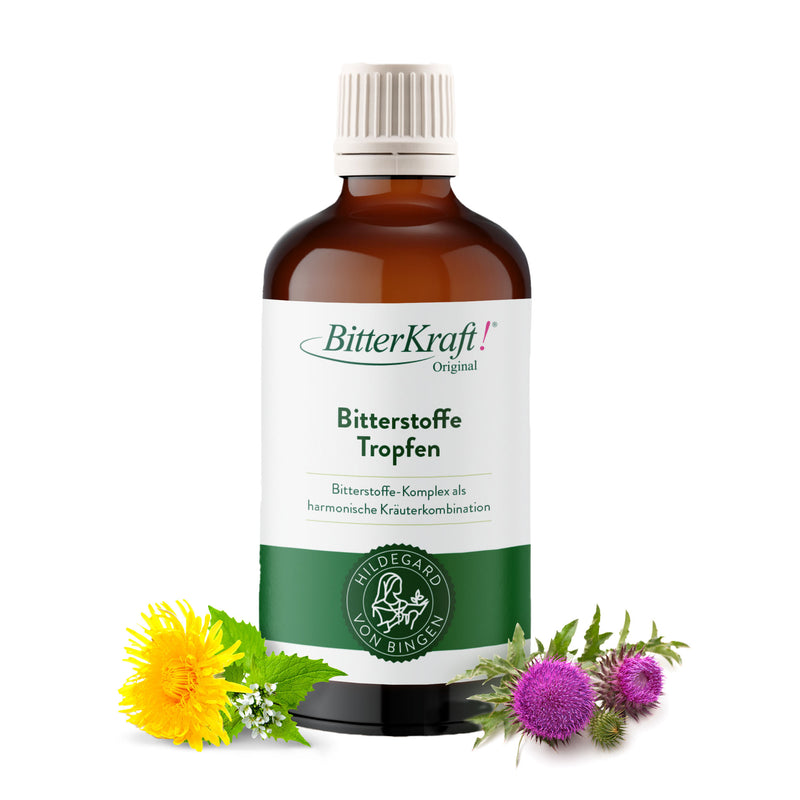
Vorkommen von Teufelskralle
Die Afrikanische Teufelskralle (Harpagophytum procumbens) zählt zu den Sesamgewächsen und hat ihre Wurzeln auf dem Kontinent Afrika. Natürlich kommt sie vor allem in Botswana, Namibia, Simbabwe und Südafrika vor. Sie bevorzugt Wüstensteppen.
Hierzulande gedeiht die Teufelskralle nicht. Sie mag Hitze, trockene Böden und starke Temperaturschwankungen. Sie könnten versuchen, sie in einem Zimmertreibhaus anzupflanzen. Verwenden Sie dazu eine sehr sandige und mineralstoffhaltige Erde.
Wirkweise von Teufelskralle
Als Speise ist die Teufelskralle nicht bekannt. Sie wird hauptsächlich in der traditionellen Volksmedizin eingesetzt. Südafrikanische Völker verwenden sie schon lange bei Fieber und Schmerzen; Soldaten brachten sie im 20. Jahrhundert zu uns. Es gibt Hinweise, dass die Teufelskralle eine Wirkung bei Arthrose und anderen Entzündungen haben könnte. Die orale Einnahme soll bei Rheuma- und Magen-Darm-Beschwerden positiv wirken. Äußere Anwendung in Form von Salben findet die Teufelskralle bei Muskelschmerzen.
Inhaltsstoffe von Teufelskralle
Die Afrikanische Teufelskralle zählt zu jenen Pflanzen, die noch unverfälschte Bitterstoffe enthalten. Daneben weist sie Phenolglykoside, Flavonoide und viele Kohlenhydrate auf. Wichtig für die Wirkung der Teufelskralle ist vermutlich der Stoff Harpagosid.
Aussehen von Teufelskralle
Die krautig wachsende Teufelskralle entwickelt am Boden Ausläufer, die bis zu zwei Meter lang werden. Höher als fünfzehn Zentimeter wächst sie in der Regel nicht. Sie trägt gräulich-grüne, eiförmige Blätter, die sich deutlich wellen. Dazu bildet sie im Dezember, Januar und Februar kräftig rosafarbene bis violette Glockenblumen aus, die im Durchmesser etwa fünf Zentimeter messen.
Interessant ist die Wurzel der Afrikanischen Teufelskralle: Sie besitzt eine Pfahlwurzel, von der sich knollenartige Speicherwurzeln abzweigen. Letztere sind es, die in der Pflanzenheilkunde Anwendung finden. Die Speicherwurzeln bilden sich nach der Ernte wieder neu, das Kraut selbst bleibt also unversehrt.
Wissenswertes über Teufelskralle
Ihren Namen verdankt die Teufelskralle ihren Früchten, auf denen kleine Widerhaken sitzen. Die zwischen zehn und fünfzehn Zentimeter großen Kapseln verfangen sich damit im Fell von Tieren. Sie tragen so die Samen weiter und helfen der Pflanze bei der Ausbreitung.

Über den Autor Henrik Aulbach
Weitere Artikel

Magenbitterstoffe vor dem Essen: Warum die Reihenfolge entscheidend ist
Magenbitterstoffe vor dem Essen » Nach Hildegard von Bingen ✓ Ohne Zusatzstoffe ✓ Made in Germany – Jetzt mehr erfahren

Bitterstoffreiche Smoothies: Grüne Rezepte für den Verdauungsstart am Morgen
Bitterstoff-Smoothies für den Morgen » Nach Hildegard von Bingen ✓ Vegan ✓ Ohne Zusatzstoffe – Jetzt Rezepte entdecken!
Hildegard von Bingens Dinkelrezepte für eine gesunde Verdauung
Hildegard von Bingens Dinkelrezepte » Nach Hildegard von Bingen ✓ Ohne Zusatzstoffe ✓ Biozertifiziert – Jetzt entdecken