

Henrik Aulbach ist erfahrener Gesundheitsredakteur mit über 10 Jahren Erfahrung, Experte für pflanzliche Wirkstoffe und Kultivierung, Co-Gründer, Buchautor und selbstständiger Fachtexter im Gesundheitswesen seit 2020.
Erfahren Sie hier mehr über diesen Autor.

Pfefferkraut: Wirkung, Anwendung und Dosierung
Vorkommen von Pfefferkraut
Pfefferkraut (Lepidium latifolium) beschreibt eine Pflanzenart, die der Gattung der Kresse zugerechnet wird.
Durch die enge Verwandtschaft zur besser bekannten Garte...

Hildegards Tipp:
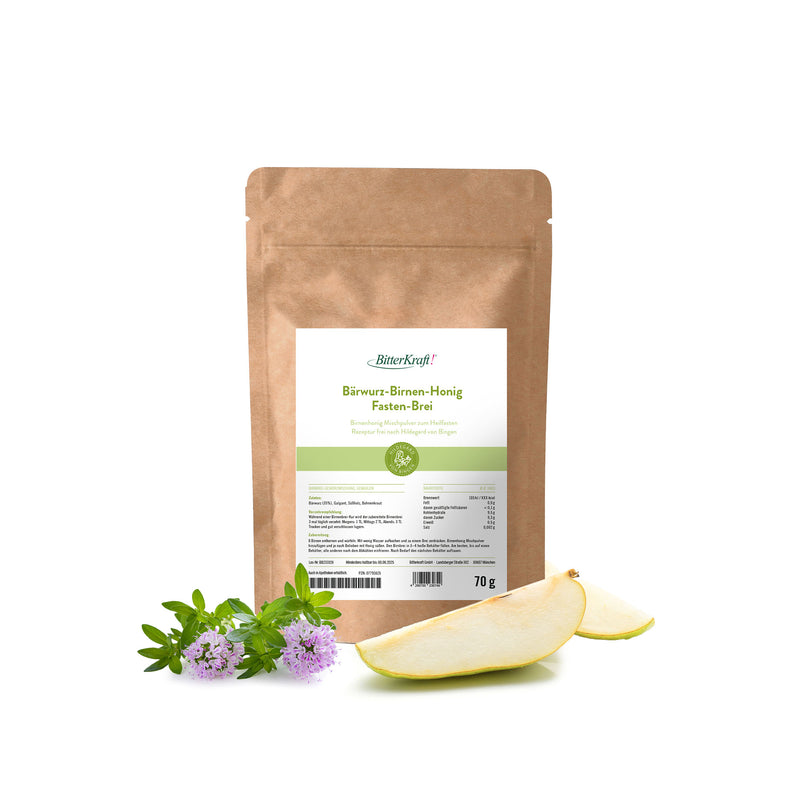
- Fein abgestimmte Gewürzmischung mit Süßholz und Galgant
- Rezeptur auf Basis von 800 Jahren Klosterwissen
- Bitterkraft – der Pionier seit 1996 von 4.000 Heilpraktikern verwendet!
- Beste Naturheilkunde: Bio & vegan
Vorkommen von Pfefferkraut
Pfefferkraut (Lepidium latifolium) beschreibt eine Pflanzenart, die der Gattung der Kresse zugerechnet wird.
Durch die enge Verwandtschaft zur besser bekannten Gartenkresse wird die Pflanze auch als ausdauernde Kresse bezeichnet, weil sie mehrjährig Bestand hat. Die Heimat der krautigen Pflanzen stellen die europäischen und asiatischen Küsten dar, vor allem die Nordwestküsten Europas. Hier besiedelt das Kraut gern salzhaltige Sand- oder Tonböden wie Dünen. Im Binnenraum Europas und Asiens ist Pfefferkraut seltener anzutreffen. Hier findet es sich zuweilen auf Wiesen in Flussnähe. Anfang des 20. Jahrhunderts gelangte es über den eurasischen Raum hinaus nach Nordamerika.
Inhaltsstoffe von Pfefferkraut
Senfölglycoside, ätherische Öle sowie Bitterstoffe und Lepidin bilden wichtige Inhaltsstoffe des Pfefferkrautes.
Wirkweise von Pfefferkraut
Obwohl Pfefferkraut eher wenig bekannt ist, eignet es sich hervorragend zur Verwendung in der Küche. Sein Geschmack ähnelt dem der verwandten Gartenkresse, allerdings kann es mehr Schärfe beisteuern. Als junge, frisch gezupfte Blätter schmeckt Pfefferkraut gut zu Kartoffeln, Quark- sowie Eierspeisen und macht auch im Salat einiges her. Alte Blätter lassen sich wie Gemüse zubereiten und selbst der Wurzelstock lässt sich vom Pfefferkraut kulinarisch nutzen – hierbei ähnelt das Kraut dem Meerrettich.
In ihren Büchern schrieb die Kräuterkundige Hildegard von Bingen dem Pfefferkraut im Mittelalter verschiedene Heilwirkungen zu. So nutzte sie es beispielsweise als wichtige Zutat für ihre Bärwurzgewürzmischung. Allerdings geht man heute davon aus, dass die Heilige in ihren Beschreibungen nicht Pfefferkraut meinte, sondern sich womöglich auf Bohnenkraut bezog, das im Volksmund häufig Pfefferkraut genannt wird. Auf welche Pflanze Hildegard von Bingen jedoch wirklich in ihren Schriften Bezug nahm, ist bis heute nicht eindeutig geklärt.
Aussehen von Pfefferkraut
Trotz seiner Verwandtschaft zu anderen Kressearten weist das Pfefferkraut in seinem Aussehen deutliche Unterschiede zu anderen Vertretern auf. Denn im Gegensatz zu anderer Kresse wächst Pfefferkraut mehrjährig und hält dem Winter stand. Es entwickelt bis zu einem Meter hohe Blütenstände, die trotz ihrer Höhe eher unscheinbar bleiben. Im Winter zieht sich das Kraut in die Erde zurück und treibt im Frühling an einer anderen Stelle neu aus.

Über den Autor Henrik Aulbach
Weitere Artikel
Magenbitterstoffe vor dem Essen: Warum die Reihenfolge entscheidend ist
Magenbitterstoffe vor dem Essen » Nach Hildegard von Bingen ✓ Ohne Zusatzstoffe ✓ Made in Germany – Jetzt mehr erfahren
Bitterstoffreiche Smoothies: Grüne Rezepte für den Verdauungsstart am Morgen
Bitterstoff-Smoothies für den Morgen » Nach Hildegard von Bingen ✓ Vegan ✓ Ohne Zusatzstoffe – Jetzt Rezepte entdecken!
Hildegard von Bingens Dinkelrezepte für eine gesunde Verdauung
Hildegard von Bingens Dinkelrezepte » Nach Hildegard von Bingen ✓ Ohne Zusatzstoffe ✓ Biozertifiziert – Jetzt entdecken