

Henrik Aulbach ist erfahrener Gesundheitsredakteur mit über 10 Jahren Erfahrung, Experte für pflanzliche Wirkstoffe und Kultivierung, Co-Gründer, Buchautor und selbstständiger Fachtexter im Gesundheitswesen seit 2020.
Erfahren Sie hier mehr über diesen Autor.


Hildegards Tipp:
- Erlesene Bittertropfen mit Wermuth nach Hildegard Von Bingen
- Rezeptur auf Basis von 800 Jahren Klosterwissen
- Bitterkraft – der Pionier seit 1996 von 4.000 Heilpraktikern verwendet!
- Beste Naturheilkunde: Bio & vegan
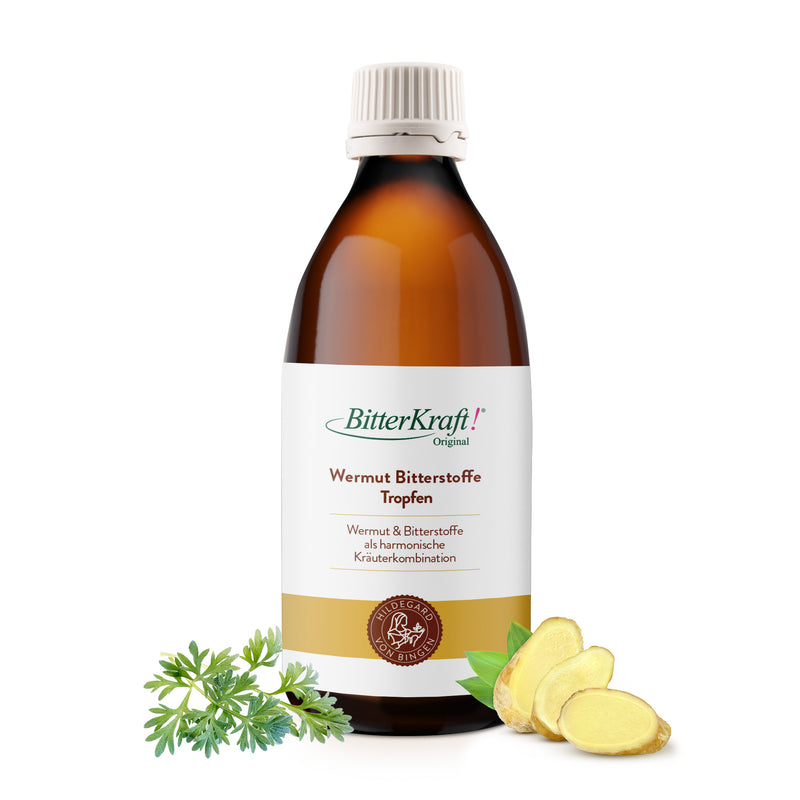
Meisterwurz oder auch Kaiserwurz
Die Meisterwurz, oft auch Kaiserwurz genannt, ist eine Heilpflanze aus dem Alpenraum. Sie war Hildegard von Bingen bereits bekannt, wurde allerdings zu jener Zeit noch nicht allzu intensiv genutzt. Nichtsdestoweniger waren Pillen, Pulver und Aufgüsse bereits Hausmittel gegen so einige Leiden.
Vorkommen von Meisterwurz
Hauptsächlich im Alpenraum vorzufinden, wächst diese Pflanze ebenfalls in südlicheren Gebieten. In Italien, Spanien, Rumänien und selbst der Ukraine ist der Meisterwurz etwa heimisch. Heutzutage lässt sich das Kraut selbst in Schweden, Großbritannien und gar Kanada vorfinden. Dorthin haben allerdings wir Menschen die Pflanze gebracht.
Im Allgäu findet sich Meisterwurz gar in Höhen bis zu 2200 Meter. Steile Hänge und Gebirgswiesen sind dabei die Orte, an denen der Meisterwurz am liebsten wächst.
Inhaltsstoffe von Meisterwurz
Beliebt ist die Meisterwurz aufgrund der im Wurzelstock enthaltenen ätherischen Öle. Bis zu ein Prozent des Wurzelstockes kann aus wohlriechenden Ölen bestehen. Knapp 30 % des ätherischen Öls macht dabei Sabinen aus. Dieses kommt etwa auch im Majoran und schwarzen Pfeffer vor.
Neben den duftenden Terpenen sind es Bitter- und Gerbstoffe, die gesundheitsfördernd wirken können. Bitterstoffe fördern nicht nur die Verdauung, sie unterstützen auch unser Kopfhirn sowie unser Darmhirn. Gerbstoffe fördern unseren Verdauungsapparat weiter.
Furocumarine sind weitere pflanzliche Abwehrstoffe, die unserer Gesundheit guttun können.
Wirkweise von Meisterwurz
Einnehmen kann man die Meisterwurz als Tee oder bspw. als Pille bzw. Pulver. Das Kauen von Meisterwurz empfiehlt man u. a. bei Magen- oder Zahnschmerzen sowie Übelkeit. Des Weiteren findet die Meisterwurz bei Asthma Verwendung, ebenso bei Entzündungen in den oberen Atemwegen. Nicht zuletzt kann die Meisterwurz schleimlösend wirken und bspw. bei Erkältungen für Abhilfe sorgen. Aufgrund von antibakteriellen Eigenschaften kann man bei Bronchitis Meisterwurz inhalieren.
Die Gerb- und Bitterstoffe zusammen mit den Terpenen können die Verdauung unterstützen. Im selben Zusammenhang kann Meisterwurz gegen Fieber helfen.
Interessant ist die Anwendung zur Wundheilung, in Meisterwurzextrakt getränkte Tücher wurden bereits vor Hunderten von Jahren auf Wunden gelegt. Auch bei Akne oder Abszessen könnte man in Absprache mit dem eigenen Arzt den Einsatz von Meisterwurz überlegen.
Aussehen von Meisterwurz
Die Meisterwurz ist eine krautige Pflanze, die bis zu einen Meter hoch wachsen kann. Sie gibt einen aromatischen Duft ab, der an Sellerie erinnert. Die Laubblätter sind grasgrün, wobei ein Blatt bis zu 30 Zentimeter lang werden kann. Die Blütenstände sind Dolden, die bis zu 50 Strahlen ausbilden können.

Über den Autor Henrik Aulbach
Weitere Artikel

Magenbitterstoffe vor dem Essen: Warum die Reihenfolge entscheidend ist
Magenbitterstoffe vor dem Essen » Nach Hildegard von Bingen ✓ Ohne Zusatzstoffe ✓ Made in Germany – Jetzt mehr erfahren

Bitterstoffreiche Smoothies: Grüne Rezepte für den Verdauungsstart am Morgen
Bitterstoff-Smoothies für den Morgen » Nach Hildegard von Bingen ✓ Vegan ✓ Ohne Zusatzstoffe – Jetzt Rezepte entdecken!
Hildegard von Bingens Dinkelrezepte für eine gesunde Verdauung
Hildegard von Bingens Dinkelrezepte » Nach Hildegard von Bingen ✓ Ohne Zusatzstoffe ✓ Biozertifiziert – Jetzt entdecken