

Henrik Aulbach ist erfahrener Gesundheitsredakteur mit über 10 Jahren Erfahrung, Experte für pflanzliche Wirkstoffe und Kultivierung, Co-Gründer, Buchautor und selbstständiger Fachtexter im Gesundheitswesen seit 2020.
Erfahren Sie hier mehr über diesen Autor.

Kräuter pflanzen: Das Wichtigste im Ueberblick
Kräuter spielen in der Küche eine wichtige Rolle. Als frisches Grün runden sie Speisen ab oder geben ihnen als Gewürze ein besonderes Aroma. Darüber hinaus besitzen viele von ihnen po...
Kräuter spielen in der Küche eine wichtige Rolle. Als frisches Grün runden sie Speisen ab oder geben ihnen als Gewürze ein besonderes Aroma. Darüber hinaus besitzen viele von ihnen positive Effekte auf unsere Gesundheit und lassen sich als Heilpflanzen nutzen. Gegen jedes Leiden ist ein Kraut gewachsen, weiß schon der Volksmund. Viele Gründe, um Kräuter selbst zu pflanzen. Dazu bieten Garten und Balkon beste Voraussetzungen. Den Grundstein für eine reichhaltige Ernte legen Sie beim Kräuter-Pflanzen bereits mit der Aussaat. Dabei gilt es insbesondere, drei Aspekte zu beachten:

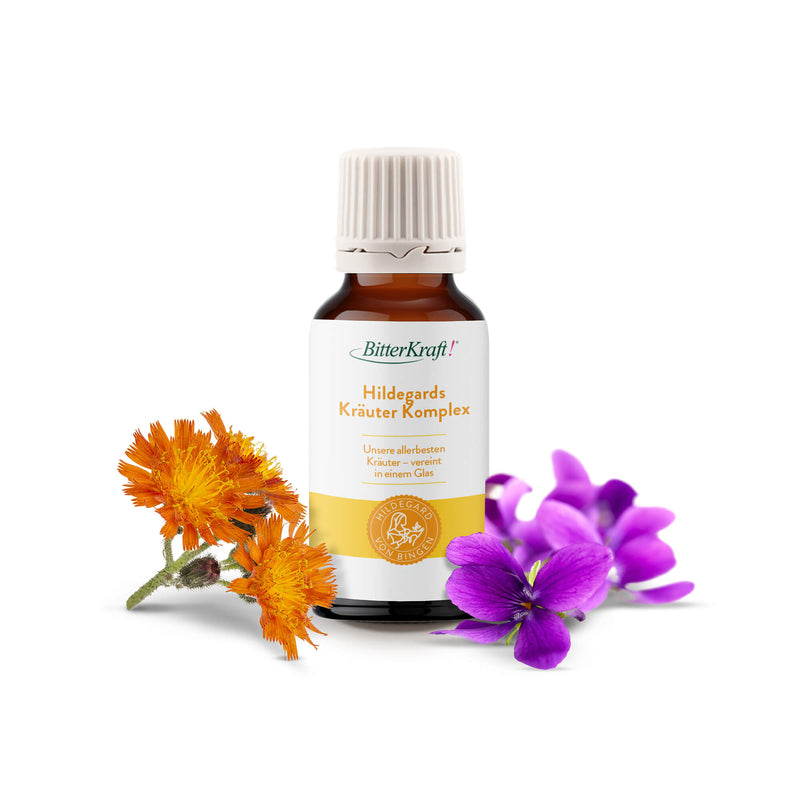
Hildegards Tipp:
- Milder Kräutergeist mit 5 Hildegard-Heilpflanzen für die Seele
- Rezeptur auf Basis von 800 Jahren Klosterwissen
- Bitterkraft – der Pionier seit 1996 von 4.000 Heilpraktikern verwendet!
- Beste Naturheilkunde: Bio & vegan
- Zeitpunkt
- Standort im Garten und auf dem Balkon
- das Substrat
Der richtige Zeitpunkt
Der Zeitpunkt, wann Sie Ihre Kräuter pflanzen, bestimmt wesentlich darüber, wie ertragreich die Ernte wird. Je nach Pflanzenart eignen sich hierfür Frühjahr und Herbst am besten. Fertige Kräutertöpfe für die Küche sind im Handel zwischen Mitte März und Oktober erhältlich und lassen sich in diesem Zeitraum gut im Garten oder auf dem Balkon anbauen. Alternativ können Sie die Pflanzen auch selbst aussäen. Dann dauert es natürlich etwas, bis sich aus den Samen die ersten Pflänzchen entwickelt haben.
Mehrjährige Vertreter wie Thymian oder Salbei sollten Sie möglichst früh ins Beet bringen. Wenn Sie die Kräuter zu spät pflanzen, gelingt es ihnen nicht, ausreichend Wurzeln zu schlagen. Die Folge: Sie vertrocknen und gehen ein. Vorsichtig ist auch bei frostempfindlichen Varianten wie Basilikum und Schnittlauch geboten. Pflanzen Sie diese Kräuter erst, wenn der letzte Frost überstanden ist.
Der richtige Standort
Am besten gedeihen die krautigen Pflanzen an einem halbschattigen bis sonnigen Plätzchen. An einem Standort mit viel Sonne sollten Sie vor allem mediterrane Kräuter pflanzen. Dazu gehören Basilikum, Oregano, Rosmarin und Koriander. Halbschatten bevorzugen insbesondere Schnittlauch, Petersilie und Liebstöckel.
Das geeignete Substrat
Als Untergrund bevorzugen Kräuter lockere, luftdurchlässige Substrate. Wenn Sie im Garten oder auf dem Balkon im Topf Kräuter pflanzen, lohnt es sich deshalb, spezielle Kräutererde zu nutzen. Damit umgehen Sie gleich Staunässe, die die meisten Pflanzen nicht vertragen. Im Beet erweist sich humose Gartenerde, die durchlässig ist und einen normalen Nährstoffgehalt aufweist, als geeignete Grundlage. Stimmen Sie das Substrat dabei zusätzlich auf die jeweilige Pflanzenart ab, wenn Sie Kräuter pflanzen.

Über den Autor Henrik Aulbach
Weitere Artikel
Magenbitterstoffe vor dem Essen: Warum die Reihenfolge entscheidend ist
Magenbitterstoffe vor dem Essen » Nach Hildegard von Bingen ✓ Ohne Zusatzstoffe ✓ Made in Germany – Jetzt mehr erfahren
Bitterstoffreiche Smoothies: Grüne Rezepte für den Verdauungsstart am Morgen
Bitterstoff-Smoothies für den Morgen » Nach Hildegard von Bingen ✓ Vegan ✓ Ohne Zusatzstoffe – Jetzt Rezepte entdecken!
Hildegard von Bingens Dinkelrezepte für eine gesunde Verdauung
Hildegard von Bingens Dinkelrezepte » Nach Hildegard von Bingen ✓ Ohne Zusatzstoffe ✓ Biozertifiziert – Jetzt entdecken