

Henrik Aulbach ist erfahrener Gesundheitsredakteur mit über 10 Jahren Erfahrung, Experte für pflanzliche Wirkstoffe und Kultivierung, Co-Gründer, Buchautor und selbstständiger Fachtexter im Gesundheitswesen seit 2020.
Erfahren Sie hier mehr über diesen Autor.

Hopfen in der Klostermedizin
Hopfen ist vor allem als wichtiger Rohstoff zum Brauen von Bier bekannt, dabei macht die Pflanze auch optisch eine gute Figur und kann mit pharmakologischen Wirkungen aufwarten.
Vorkom...
Hopfen ist vor allem als wichtiger Rohstoff zum Brauen von Bier bekannt, dabei macht die Pflanze auch optisch eine gute Figur und kann mit pharmakologischen Wirkungen aufwarten.

Hildegards Tipp:
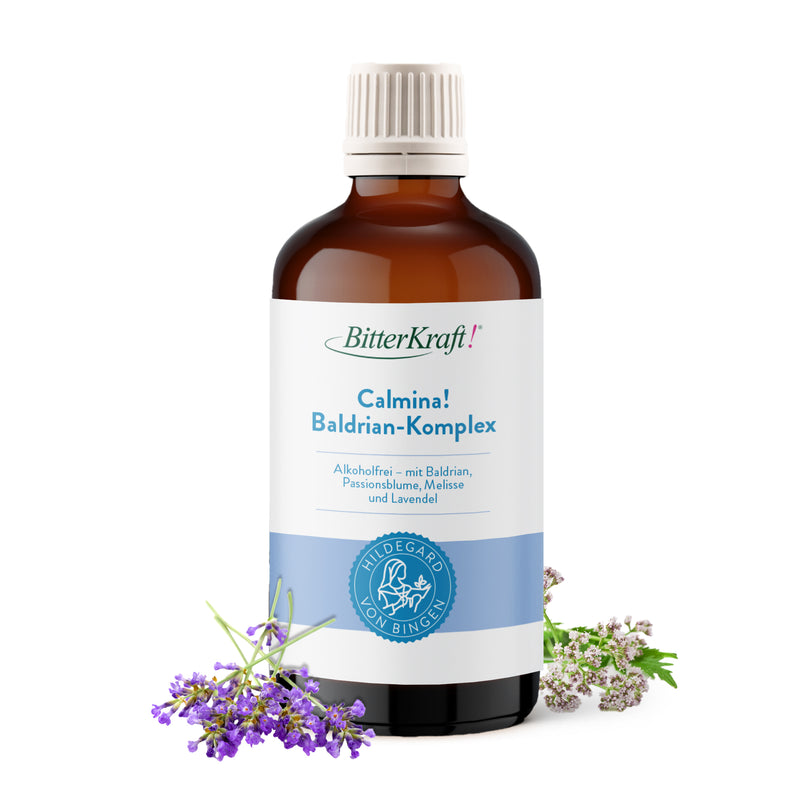
- Fein abgestimmtes Nahrungsergänzungsmittel mit Baldrian, Lavendel, Passionsblume & Hopfen
- Rezeptur auf Basis von 800 Jahren Klosterwissen
- Bitterkraft – der Pionier seit 1996 von 4.000 Heilpraktikern verwendet!
- Beste Naturheilkunde: Bio & vegan
Vorkommen von Hopfen
Hopfen (Humulus) bezeichnet eine Pflanzengattung aus der Familie der Hanfgewächse (Cannabaceae), die sich in drei Arten unterteilt. Die wichtigste stellt der Gemeine oder Echte Hopfen (Humulus lupulus) dar, der vor allem in Nordamerika und Eurasien verbreitet ist. Seine Ursprünge sind bis heute nicht eindeutig geklärt und werden in Westasien und dem Mittelmeerraum vermutet. Wild siedeln sich die Pflanzen auf stickstoffreichen Böden an und sind in Auenwäldern sowie an Waldrändern zu finden.
Weil es sich bei Echtem Hopfen um jene Pflanzenart handelt, die als Würze in die Bierherstellung eingeht, erfolgt der Anbau der Kultursorten in großem Stil. Hier sind die Länder Deutschland, Schweiz, Österreich, die Tschechei und USA federführend. Das größte zusammenhängende Anbaugebiet der Welt befindet sich im Herzen von Bayern – die Hallertau.
Inhaltsstoffe von Hopfen
Die Relevanz als arzneilich genutzte Pflanze lässt sich auf die Hopfenzapfen zurückführen – dabei handelt es sich um den Blütenstand, den die weiblichen Pflanzen ausbilden. Darin enthalten sind ätherisches Öl, das vor allem reich an Humulen und Caryophyllen ist, sowie Flavonoide, Gerb- und Bitterstoffe.
Wirkweise von Hopfen
Die in Hopfen enthaltenen Bitterstoffe verleihen dem Bier seinen charakterlichen herben Geschmack und sein besonderes Aroma. Doch seine Inhaltsstoffe geben der Pflanze ein breiteres Wirkspektrum. Am entscheidendsten – neben seiner Anwendung als Bierwürze – ist sein Einsatz als natürliches Schlafmittel. So soll Hopfen beruhigend und schlaffördernd wirken. Verwendet wird die Pflanze dabei in Kombination mit Baldrian. Die beiden Pflanzen sollen sich in ihren positiven Effekten auf den Schlaf gegenseitig unterstützen. Die sedierende Wirkung von Hopfen wurde in Laboruntersuchungen bereits bestätigt. Neben Schlafstörungen wird Hopfen auch bei Angststörungen eingesetzt.
Außerdem werden bei Hopfen weitere Wirkungen vermutet, zu denen es bislang an ausreichend Studien fehlt. So sollen einzelne Inhaltsstoffe der Pflanze im Körper ähnlich wie das Sexualhormon Östrogen reagieren, über die Folgen daraus ist sich die Wissenschaft aber noch nicht im Klaren.
Aussehen von Hopfen
Bei Hopfen handelt es sich um eine krautige Kletterpflanze, Wuchshöhen von bis zu 6 m pro Jahr sind nichts Ungewöhnliches. Unter guten Voraussetzungen wächst Hopfen sogar 30 cm pro Tag. Im Winter sterben die Triebe jedoch jedes Jahr ab und sprießen aus dem Wurzelstock, der bis zu 50 Jahre alt werden kann, im Frühling wieder neu aus.
Als zweihäusige Pflanze entwickelt Hopfen entweder ausschließlich männliche oder weibliche Blüten. Männliche Blüten sind als Rispen in grüngelber Färbung ausgeformt. Im Vergleich zu den zapfenförmigen Blütenständen der weiblichen Vertreter wirken sie eher unscheinbar.

Über den Autor Henrik Aulbach
Weitere Artikel
Magenbitterstoffe vor dem Essen: Warum die Reihenfolge entscheidend ist
Magenbitterstoffe vor dem Essen » Nach Hildegard von Bingen ✓ Ohne Zusatzstoffe ✓ Made in Germany – Jetzt mehr erfahren

Bitterstoffreiche Smoothies: Grüne Rezepte für den Verdauungsstart am Morgen
Bitterstoff-Smoothies für den Morgen » Nach Hildegard von Bingen ✓ Vegan ✓ Ohne Zusatzstoffe – Jetzt Rezepte entdecken!
Hildegard von Bingens Dinkelrezepte für eine gesunde Verdauung
Hildegard von Bingens Dinkelrezepte » Nach Hildegard von Bingen ✓ Ohne Zusatzstoffe ✓ Biozertifiziert – Jetzt entdecken