
Unser Autor Dr. Markus Numberger promovierte 1992 in molekularer Neurobiologie und forschte beim Nobelpreisträger Bert Sakmann. Er arbeitete in Verlagen, an der Charité und bei Dr. Willmar Schwabe. Seit 2014 ist er freiberuflicher medizinischer Autor für Online- und Print-Medien.
Erfahren Sie hier mehr über diesen Autor.

Heilfasten: Altes loslassen und Neues zulassen
Altes loslassen & Neues zulassen ❀ Heilfasten führt Körper und Geist zusammen ❀ Tun Sie sich etwas Gutes
Kaum jemand von uns ist frei von Lastern, die uns Stück für Stück von dem Menschen entfernen, der wir eigentlich sein wollen. Die uns in alten Gewohnheiten gefangen halten und unser Denken sowie Fühlen auf Bekanntes eingrenzen. Eine Fastenkur, die sich an den Grundsätzen der als Heiligen verehrten Hildegard von Bingen orientiert, kann helfen, dass Körper und Geist zusammenfinden. So führt das Fasten dazu, alte Lasten hinter uns zu lassen, zu Neuem aufzubrechen – und zu sein, wie wir gern wären!
Was bedeutet Heilfasten?
Unser Alltag heute ist geprägt von Hektik und Überfluss, die uns nicht zur Ruhe kommen lassen, sondern kontinuierlich antreiben. Spüren Sie auch diese tiefe Sehnsucht in sich, einmal innezuhalten und Stopp zu rufen? In sich hineinzuhorchen und zu erkunden, was es eigentlich ist, was Sie da antreibt, oder ob es da noch etwas anderes gibt?
Eine Fastenkur bedeutet genau das: stillstehen und sich in Verzicht üben. Stille finden, um die innere Stimme zu hören. Verzichten, um Dinge loszulassen, die uns schaden, und Neues zu entdecken, das uns weiterbringt.
Gemeinhin meint eine Fastenkur den Verzicht auf feste Nahrungsmittel während eines begrenzten Zeitraumes, das Enthalten von Genussmitteln wie Alkohol und Nikotin, um dem Körper eine Reinigung von Schädlichem zu ermöglichen. Doch für Hildegard von Bingen ging mit einer Fastenkur weit mehr einher. Sie verstand das Fasten als ganzheitlich, das sowohl auf den Körper als auch die Seele gerichtet ist, und das die beiden Aspekte wieder zusammenführt als die Einheit, die sie eigentlich darstellen.
In ihrem zweiten Werk „Buch der Lebensverdienste: liber vitae meritorum“ beschreibt die Äbtissin Hildegard von Bingen das Fasten als eine Möglichkeit, sich von Lasten zu befreien und sich zu erneuern. Auf diese Weise bringt Heilfasten dem Körper neue Energie und der Seele neue Einsichten über sich und das Leben, das sie gern führen würde.

Hildegards Tipp:
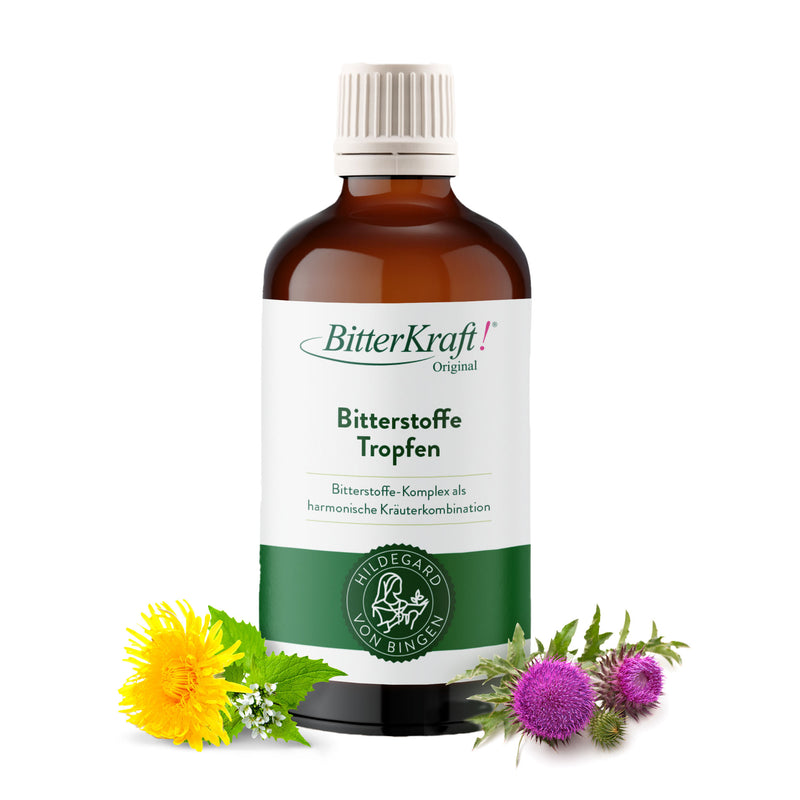
- Wertvolle Bitterstoffe nach Hildegard Von Bingen
- Rezeptur auf Basis von 800 Jahren Klosterwissen
- Bitterkraft – der Pionier seit 1996 von 4.000 Heilpraktikern verwendet!
- Beste Naturheilkunde: Bio & vegan
Körperlicher Verzicht als Grundlage bei Heilfasten
Bei einer Fastenkur sind wir auf uns selbst zurückgeworfen. Durch den kompletten oder teilweisen Verzicht auf Nahrungs- und Genussmittel konzentrieren wir uns auf unsere Ernährung und darauf, wie wir essen. Wir lernen unseren Körper besser kennen und ergründen, welche Lebensmittel unserem Körper guttun und welche ihm schaden.
Der mit dem Fasten einhergehende Verzicht ist genau das Gegenteil dessen, was wir kennen und gewohnt sind. Denn in unserer Überflussgesellschaft können wir all unsere scheinbaren Bedürfnisse sofort und jederzeit befriedigen. Aber Zeit, um herauszufinden, ob die Lust nach süßen, salzigen und fettigen Speisen unserem Körper das gibt, was er wirklich braucht, bleibt meist nicht. Während Basenfasten haben wir die Zeit: Probieren Sie neue Rezepte aus! Führen Sie Ihren Körper an neue Nahrungsmittel und ungewohnte Geschmacksrichtungen heran, wie zum Beispiel in Form der von Hildegard von Bingen als wichtig erachteten Bitterstoffe!
Ins Gleichgewicht zurück finden
Wenn Sie sich während des Heilfastens in Verzicht von Ihrer gewohnten Ernährung üben, lösen Sie sich fast ganz automatisch auch von etablierten Gewohnheiten, die Sie zuvor nicht infrage stellten. Die mit dem Fasten einhergehende körperliche Ruhe und Entspannung eröffnet Ihnen eine ganz neue Welt. Auch Basenfasten macht Sie frei für neue Bewusstseinsinhalte und lässt neue Gedankengänge zu.
Indem Sie Ihrem Körper einen Ruhepol bieten, konzentrieren Sie sich gedanklich ganz auf sich selbst und fangen an, sich wieder richtig zu spüren. Sie erleben die Einheit von Körper und Seele, die im Alltagsgeschehen so schnell verloren geht. Durch Fasten finden Körper und Seele wieder zusammen – in die von Hildegard von Bingen viel beschriebene Balance!
Heilfasten nach Buchinger: Die Unterschiede zu Hildegard von Bingen
Die Heilfastenmethode nach Buchinger ist eine der bekanntesten überhaupt. Sie sieht vor, dass über den ganzen Tag nur rund 250 kcal flüssig aufgenommen werden, idealerweise durch gesüßte Tees. Im Anschluss ans Fasten wird der Körper wieder langsam an feste Nahrung gewöhnt. Wichtig ist zudem, dass Sie sich während der Fastentage viel entspannen. Baden, meditieren, entspannen und spazieren gehen sind typische Tätigkeiten. Bis zu 10 Tage lang wird diese Fastenmethode durchgezogen.
Während Hildegard von Bingen also darauf setzt, dass Sie sich auf eine abwechslungsreiche und gesunde (basische) Ernährung zurückbesinnen, geht Buchinger den Weg, Nahrung komplett außen vorzulassen. Ggf. soll hierdurch eine neue Beziehung zur eigenen Ernährung aufgebaut werden. Ganz grob gesprochen liegt der Unterschied zwischen Buchinger und Hildegard von Bingen darin, dass Buchinger nur wenige Kalorien flüssig zulässt, während bei Hildegard von Bingen mehr und feste Kalorien eingenommen werden.
Wie lange muss ich fasten, um 10 Kilo abzunehmen?
Erst einmal sollte man nicht fasten, um Gewicht abzunehmen. Das funktioniert auf Dauer nicht und die verlorenen Kilos werden schnell wieder zugenommen.
Bei den meisten Fastenkuren nimmt man innerhalb weniger Tage einige Kilos ab. Der Grund liegt darin, dass der Körper durch weniger Nahrung weniger Wasser binden kann und Glykogenspeicher im Körper verbraucht. So kann es schnell passieren, dass nach wenigen Tagen bzw. Wochen 10 Kilo weniger auf der Waage zu sehen sind - auch wenn bei normaler Ernährung das meiste wieder draufkommt.
Viele beachten beim Fasten eine bestimmte Kalorienmenge, die nicht überschritten werden darf. Sie können sich also daran orientieren, dass ein Kilo Körperfett rund 7000 kcal in sich trägt. Sie nehmen also bei einem Kaloriendefizit von 1000 kcal jede Woche ein Kilo Fett ab. Verbrauchen Sie nun täglich 2000 kcal und während der Heilfastenkur verzehren Sie täglich noch 1000 kcal, verlieren Sie jede Woche ein Kilo Körperfett. Da jedoch zeitgleich Wasser verloren geht, stehen auf der Waage ggf. 2 - 3 Kilo weniger.
Was ist erlaubt beim Heilfasten nach Hildegard von Bingen?
Hildegard von Bingen hat in ihren Theorien rund ums Fasten nicht unbedingt klar definierte Heilfasten Anleitungen beschrieben, sondern viel eher das Fundament rund um das Fasten. Nicht zuletzt möchte sie erreichen, dass sich die Menschen bewusst werden, welche Lebensmittel ihnen schaden und welche ihnen zuträglich sind.
Beim Heilfasten nach Hildegard von Bingen dürfen Sie meistens bis zu 800 kcal am Tag zu sich nehmen. Zudem müssen die Nahrungsmittel nicht flüssig sein, viele Kuren setzen zudem auf harte Speisen wie Dinkelprodukte und dergleichen. Prinzipiell dürfen Sie bei der Fastenkur Hildegard von Bingens:
- Feste Nahrung zu sich nehmen
- Sich viel entspannen
- Sich selbst kennenlernen
- Entdecken, welche Speisen Ihnen guttun
- Viel trinken
Wird eine Fastenkur von der Krankenkasse bezahlt?
Unter bestimmten Umständen: Ja! Zum einen müssen Sie die Kur dann natürlich mit Ihrem Arzt durchsprechen. In einigen Fällen können Sie die Fastenkur dann in einer Fastenklinik durchführen, unter ärztlicher Aufsicht. Handelt es sich hierbei zudem um eine Maßnahme der Rehabilitation, kann die gesetzliche Krankenkasse die Kosten übernehmen. Prinzipiell muss also ein Grund für die Fastenkur vorliegen, nur weil Sie diese jetzt durchführen wollen, werden entsprechende Kosten nicht getragen.
Wie geht Heilfastenbrechen nach Hildegard von Bingen?
Nach der aktiven Fastenphase, in welcher nur wenig Nahrung aufgenommen wurde, müssen Sie die Verdauung langsam wieder aufbauen. Über drei bis vier Tage hinweg sollten Sie immer mehr feste Nahrung zu sich nehmen und wieder auf die normale Ernährung umsteigen. Die besten Ergebnisse erzielen Sie, wenn Sie langsam die Nahrungsmenge steigern und dabei spüren, wie es Ihnen wohl geht.
Richtig auf das Heilfasten vorbereiten
Bestenfalls sollten Sie nicht arbeiten müssen, damit Sie sich entspannen können und Ihr Darm sich reinigen kann. Zudem können Sie sich gerne eine leckere letzte Speise gönnen, bleiben Sie einfach bei der Portionsgröße bescheiden und überessen Sie sich nicht. Idealerweise sollten Sie zudem die Nahrungsmittel für die Kur bereits zu Hause haben, da das Einkaufen doch recht anstrengend sein kann.
Fangen Sie nun bis zu fünf Tage vor der Kur an, nur noch leicht verdauliche Nahrung zu sich zu nehmen. Prinzipiell stehen hier Tees und Obst sowie Gemüse an der Tagesordnung, auf Alkohol, Milchprodukte, fettige Speisen und Fleisch sollten Sie verzichten.
Manche leiten die Fastenkur mit einer Darmentleerung ein, in welcher Sie bspw. über ein bis zwei Tage hinweg nur Flohsamenschalen zu sich nehmen. Diese Phase müssen Sie nicht ebenfalls machen. Haben Sie jedenfalls den Darm durch leicht verdauliche Nahrung entlastet, können Sie mit der Heilfastenkur starten.
Heilfastenzeit geniessen
Wie lange kann ich fasten?
Beim Heilfasten werden weniger Kalorien aufgenommen. Darum sollten Sie nicht etwa wie beim heiligen Fasten der Muslime (Ramadan) Zeitrahmen von 30 Tagen überstehen. Bis zu 10 Tage gelten als optimal. Drei Tage können Sie zuvorschalten, um den Darm mit leichter Kost zu entspannen. Ein bis zwei Tage sollten Sie nachschalten, um den Darm wieder an feste Nahrung zu gewöhnen.
Wie läuft eine Fastenkur nach Hildegard von Bingen ab?
Hildegard von Bingens Erbe hinterlässt uns einen reichhaltigen Erfahrungsschatz über Ernährung und die Bedeutung bestimmter Nahrungsmittel, der auch fast 900 Jahre seit seiner Entstehung noch aktuell ist. Die heilige Äbtissin wusste durch ihre Erfahrung aus dem Klostergarten für jegliche Beschwerden das passende Naturmittel aus der Natur. Genauso war ihr schon damals der Gleichklang des Lebens bewusst: Dass sich Phasen der Bewegung und Erholung stets ausgleichen sollten.
Bei einer von der Heiligen Hildegard von Bingen inspirierten Fastenkur geht es weniger um einen vollständigen Verzicht von Nahrung als vielmehr um das Besinnen auf eine bewusste Ernährung. So gibt es keine einheitliche Form des Fastens nach der Universalgelehrten. Stattdessen können Sie aus verschiedenen Möglichkeiten die für sich beste Form wählen und Ihre eigene Fastenkur, wie zum Beispiel das Basenfasten, finden:
Gemäßigtes Dinkelfasten:
Bei diesem Heilfasten verzichten Sie in erster Linie auf Fleisch und tierische Fette. Hauptbestandteil des Fastens bildet der Ur-Weizen Dinkel, den Sie dreimal täglich in verschiedenen Formen zu sich nehmen können. Obst, Gemüse und Salate sind bei dieser leichtesten Fastenform nach der Heiligen erlaubt.
Fasten mit Dinkelreduktionskost:
Bei dieser Form des Fastens wechselt ein Tag, an dem Sie sich dreimal täglich mit Dinkelbrot satt essen, mit einem ab, der von einer regulären ausgewogenen Ernährung geprägt ist. Trinken sollten Sie an den jeweiligen Reduktionstagen ausschließlich Fencheltee.
Dinkelfasten:
Eine noch stärkere Einschränkung bedeutet die Fastenkur in Form des Dinkelfastens. Dabei nehmen Sie dreimal am Tag lediglich Dinkelbrot zu sich. Als Getränke eignet sich Fenchel- und Kräutertee.
Saft-Fasten:
Die größte Umstellung von Ihrer gewohnten Ernährung erfahren Sie beim Saft-Fasten nach Hildegard von Bingen. Bei dieser Fastenform verzichten Sie während einiger Tage komplett auf feste Nahrung und ernähren sich lediglich von Tee, Suppen und Brühen sowie Säften.
Des Weiteren empfiehlt sich als Fasten nach Hildegard von Bingen auch das Bastenfasten, bei dem Sie Ihre Ernährung ausschließlich auf basische Lebensmittel umstellen.
Was gilt es bei einer Fastenkur nach Hildegard von Bingen zu beachten?
Für welche Fastenform nach Hildegard von Bingen Sie sich auch entscheiden: Für jedes Heilfasten lassen sich 3 Grundsätze formulieren, die den Vorstellungen der Gelehrten entsprechen.
Viel trinken:
Ausreichend Flüssigkeit ist für eine ausgewogene Ernährung immer von großer Bedeutung.
Beim Fasten ist das Trinken wichtiger denn je – gerade, wenn Sie feste Nahrung weglassen. Die Zeit des Verzichtes eignet sich wunderbar, um neue Teesorten auszuprobieren.
Extra viel Ruhe:
Mit dem Fasten brechen Sie für gewöhnlich aus Ihrem eingefahrenen Alltag aus.
Gönnen Sie sich während des Fastens viel Erholung, um Ihren Körper nicht zu überlasten. Stress wirkt wie Gift auf ihn! Um Ruhe und Entspannung im Sinne von Hildegard von Bingen zu finden, eignen sich ein frisch aufgebrühter Kloster-Tee, ein herrlich duftendes Kräuterkissen als Leberwickel und edle Steine. Verwöhnen Sie sich mit Pflegeprodukten und erfreuen Sie sich in der Folge gleich an schöner Haut.
Ausreichend Bewegung:
Bleiben Sie beim Fasten in Bewegung – am besten in der Natur
Spaziergänge, Wandern und leichte Fahrradtouren versorgen Sie mit viel frischer Luft und kurbeln Ihren Stoffwechsel an. Yoga hilft Ihnen außerdem dabei, während des Heilfastens innerlich zur Ruhe zu kommen.
Obendrein ist es wichtig, dem Körper nach der Fastenzeit nicht wieder zu schnell zu viel zuzumuten. Planen Sie eine längere Aufbauzeit ein, um Ihren Körper allmählich wieder an feste oder die gewohnte Nahrung zu gewöhnen. Den größten Effekt erzielen Sie jedoch, wenn die Fastenkur nach Ihrem Ende in Ihren Alltag hineinwirkt und Sie die während der Auszeit entdeckten Rituale fortführen! So brechen Sie nach der Zeit der Einkehr zu Neuem auf. Ideal dafür ist zum Beispiel das Fasten nach Aschermittwoch.

Über den Autor Dr. Markus Numberger
Weitere Artikel
Magenbitterstoffe vor dem Essen: Warum die Reihenfolge entscheidend ist
Magenbitterstoffe vor dem Essen » Nach Hildegard von Bingen ✓ Ohne Zusatzstoffe ✓ Made in Germany – Jetzt mehr erfahren

Bitterstoffreiche Smoothies: Grüne Rezepte für den Verdauungsstart am Morgen
Bitterstoff-Smoothies für den Morgen » Nach Hildegard von Bingen ✓ Vegan ✓ Ohne Zusatzstoffe – Jetzt Rezepte entdecken!
Hildegard von Bingens Dinkelrezepte für eine gesunde Verdauung
Hildegard von Bingens Dinkelrezepte » Nach Hildegard von Bingen ✓ Ohne Zusatzstoffe ✓ Biozertifiziert – Jetzt entdecken