


Zinkmangel: Ursachen, Behandlung und Symptome
Zinkmangel ist in Europa sehr selten. Eine einigermaßen ausgewogene Ernährung r...
Zinkmangel ist in Europa sehr selten. Eine einigermaßen ausgewogene Ernährung reicht in der Regel aus, um einem Zinkmangel vorzubeugen. Die Folgen eines Zinkmangels können allerdings gravierend sein und sich etwa in chronischen Darmerkrankungen äußern. Hautveränderungen und Haarausfall können ebenfalls auftreten, weshalb Sie bei Verdacht überprüfen sollten, ob ein Zinkmangel vorliegt.

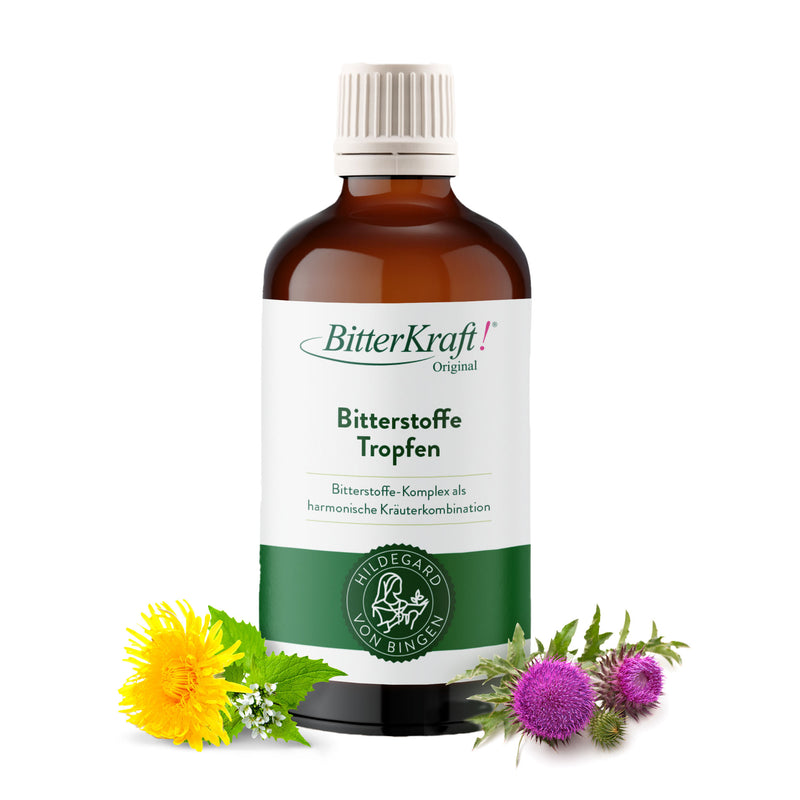
Hildegards Tipp:
- Wertvolle Bitterstoffe nach Hildegard Von Bingen
- Rezeptur auf Basis von 800 Jahren Klosterwissen
- Bitterkraft - der Pionier seit 1996 von 4.000 Heilpraktikern verwendet!
- Beste Naturheilkunde: Bio & vegan
Zinkmangel Symptome: Suchen Sie bei Verdacht einen Arzt auf
Zinkmangel ist für Menschen lebensgefährlich, ganz ohne Zink können wir nicht überleben. Es ist als Spurenelement an der Zellteilung, Wundheilung und Immunabwehr beteiligt. Die Symptome fallen dementsprechend vielseitig aus. Folgende Anzeichen können auf einen Zinkmangel hindeuten:
- entzündliche Hautveränderungen (bspw. Dermatitis)
- gestörte bzw. verlangsamte Wundheilung
- Haarausfall
- Appetitlosigkeit
- Durchfall
- erhöhte Anfälligkeit für Infektionen
- weniger intensives Geschmacksempfinden
Die genannten Zinkmangel Symptome gelten auf für Frauen. Eine besondere Form des Zinkmangels kann bei Neugeborenen auftreten, die genetisch bedingt eine Aufnahmestörung für Zink aufweisen. Dann kann schon in den ersten Lebensmonaten eine Acrodermatitis enteropathica auftreten. Diese zeichnet sich bspw. durch symmetrische Hautausschläge auf, die auf Händen, Füßen, dem Kopf und Körperöffnungen auftreten können. Schleimhautveränderungen wie eine Gingivitis, verzögertes Wachstum und eine höhere Infektanfälligkeit sind ebenfalls oft zu bemerken. Sie sehen also, wie wichtig die Behandlung eines Zinkmangels ist.
Zinkmangel richtig diagnostizieren
Einen Zinkmangel richtig zu erkennen, ist leider nicht einfach. Die genannten Symptome sind etwa nicht einzigartig für Zinkmangel, sondern treten bei vielen Krankheiten auf. Zudem ist Zink als Spurenelement in geringsten Mengen im Blut enthalten, weshalb entsprechende Blutuntersuchungen schwer bis unmöglich sind. Einen Zinkmangel zu beheben und zu diagnostizieren, geschieht darum in einem Schritt. Verschwinden die wahrgenommenen Symptome nach der Gabe von Zink, hat man einen Zinkmangel diagnostiziert.
Da hierzulandee nur sehr selten Zinkmangel auftritt, fragt man sich zurecht, welche Aspekte einen Zinkmangel begünstigen. Leistungssportler können öfter von Zinkmangel betroffen sein, weil ihr Körper das Element vermehrt ausscheidet.
Chronisch-entzündliche Darmerkrankungen wie Morbus Crohn können ebenfalls eine eingeschränkte Zinkzufuhr bedingen. Angeborene Zinkaufnahmestörungen sind ansonsten häufig die Ursache.
Zinkmangel beheben
Damit die Auswirkungen von Zinkmangel auf Haut und auch Nägel nicht gravierend werden, sollte ein Mangel schnellstmöglich behoben werden. Manchmal kann es ausreichen, zinkreiche Lebensmittel vermehrt zu verspeisen. Reicht diese Zufuhr nicht aus, können Nahrungsergänzungsmittel mit Zink eingenommen werden. Das sollten Sie nur in Absprache mit Ihrem behandelnden Arzt machen. Eine Zink Überdosierung kann negative Auswirkungen auf Ihre Gesundheit haben, weshalb die vorbeugende Einnahme von Zink keineswegs empfehlenswert ist.
Zu viel Zink: Symptome
Wie wir gesehen haben, ist auch zu viel Zink keineswegs gesund. Zu hohe Dosen entstehen, wenn der Körper die aufgenommene Menge an Zink nicht mehr verarbeiten kann. Dann können Symptome einer Zink Überdosierung auftreten, so etwa Übelkeit, Bauchschmerzen und Durchfall.
Bei viel zu hohen Dosen kann zudem die toxische Zink-Wirkung auf den Darm verstärkt werden, dann spricht man von einer Zinkvergiftung. Wie Sie sehen, sollten Sie aufpassen und Zink wirklich nur bei bestehendem Zinkmangel einnehmen.
Zink für die Haut
Vielleicht haben Sie auch eine Zinksalbe Zuhause. Zink kann aus unterschiedlichen Gründen hilfreich für die Haut sein. So wirkt Zink antibakteriell, antiinflamatorisch und antiandrogen. Es kann also die Regeneration der Haut unterstützen, etwa bei Blessuren oder entzündlichen Zuständen. Des Weiteren könnte es wohl dazu beitragen, dass die Haut eine normale Talgproduktion aufweist.
In der Kosmetikindustrie wird Zink immer häufiger für eine straffe und elastische Haut eingesetzt, etwa weil es an der Bildung von Kollagen beteiligt ist. Wenn Sie also keinen Zinkmangel aufweisen, ist die zusätzliche Einnahme von Zink nicht nötig. Für Ihre Haut kann das Spurenelement jedoch Vorteile bieten.
Zinkmangel: Häufig gestellte Fragen
Kann man Zink überdosieren?
Ja, man kann Zink überdosieren. Da wir zudem nur geringste Mengen an Zink benötigen, geschieht eine Überdosierung leichter und schneller, als man denken mag. Es wird daher empfohlen, Zinkpräparate nur nach ärztlicher Absprache einzunehmen. Selbst bei Zinkmangel reichen oft zinkreiche Lebensmittel aus, um den Mangel zu beheben.
Wie macht sich Zinkmangel bemerkbar?
Zink ist an zahlreichen Stoffwechselprozessen beteiligt, weshalb die Symptome eines Mangels dementsprechend vielseitig ausfallen können. So kann Zinkmangel entzündliche Reaktionen der Haut hervorrufen, etwa Dermatitis. Möglich ist auch Haarausfall durch Zinkmangel, neben den folgenden Symptomen:
- Geschmacksstörungen
- Wundheilungsstörungen
- Immunschwäche
- Appetitlosigkeit
- Wachstumsprobleme
- Störungen des Hormonhaushalts
Was macht Zink mit der Haut?
Zink kann antibakteriell, entzündungshemmend und antiandrogen wirken. Darum kann Zink bspw. bei leichteren Blessuren hilfreich sein sowie zur Regeneration der Haut.

Magenbitterstoffe vor dem Essen: Warum die Reihenfolge entscheidend ist
Magenbitterstoffe vor dem Essen » Nach Hildegard von Bingen ✓ Ohne Zusatzstoffe ✓ Made in Germany – Jetzt mehr erfahren

Bitterstoffreiche Smoothies: Grüne Rezepte für den Verdauungsstart am Morgen
Bitterstoff-Smoothies für den Morgen » Nach Hildegard von Bingen ✓ Vegan ✓ Ohne Zusatzstoffe – Jetzt Rezepte entdecken!
Hildegard von Bingens Dinkelrezepte für eine gesunde Verdauung
Hildegard von Bingens Dinkelrezepte » Nach Hildegard von Bingen ✓ Ohne Zusatzstoffe ✓ Biozertifiziert – Jetzt entdecken