


Sitzbäder - Sanfte Pflege für den Intimbereich
Sitzbäder sind eine traditionelle Methode, um den Intimbereich zu pflegen und zu unterstützen. Schon seit jeher haben Menschen Probleme damit, jede kleine Hautfalte im Intimbereich mit gewiss...
Sitzbäder sind eine traditionelle Methode, um den Intimbereich zu pflegen und zu unterstützen. Schon seit jeher haben Menschen Probleme damit, jede kleine Hautfalte im Intimbereich mit gewissen Pflanzenextrakten oder Wirkstoffen zu bearbeiten. Wer sich den Intimbereich eincremen will, schafft das praktisch nie komplett vollständig. Ein Sitzbad ist die optimale Möglichkeit, den Intimbereich vollumfänglich äußerlich zu behandeln.

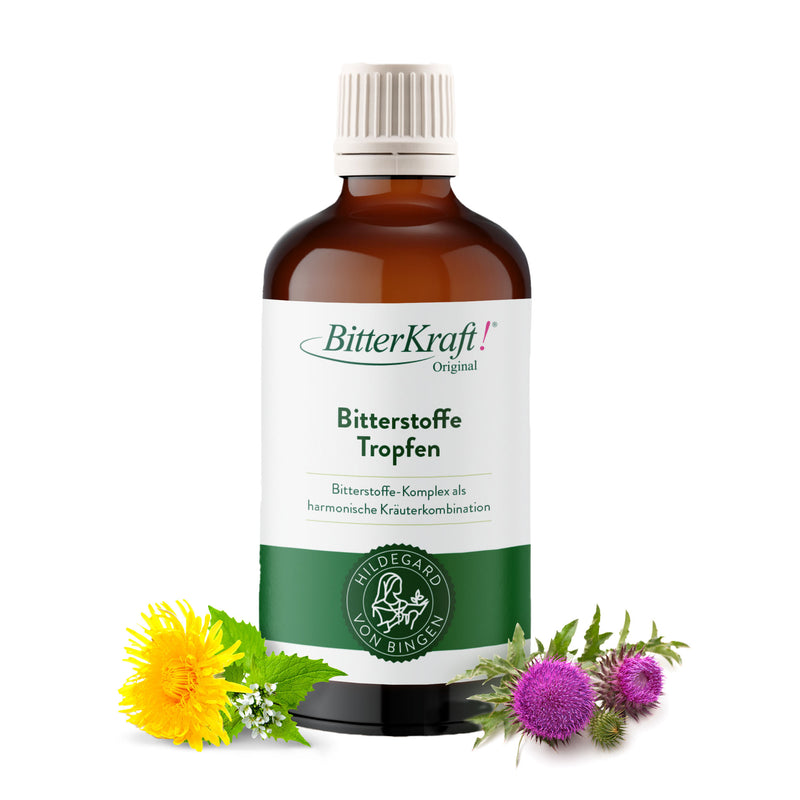
Hildegards Tipp:
- Wertvolle Bitterstoffe nach Hildegard Von Bingen
- Rezeptur auf Basis von 800 Jahren Klosterwissen
- Bitterkraft - der Pionier seit 1996 von 4.000 Heilpraktikern verwendet!
- Beste Naturheilkunde: Bio & vegan
Was genau bringt ein Sitzbad?
Ein Sitzbad wird meistens mit pflanzlichen Extrakten versehen, die anschließend wohltuend auf Ihren Intimbereich wirken sollen. Der Anal- und Genitalbereich werden durch Sitzbäder gleichermaßen bearbeitet. Dabei sind Sitzbäder der Balneotherapie (Bädertherapie) zuzuordnen.
Meistens führen Damen Sitzbäder durch, Herren können das jedoch ebenso. Ein Sitzbad ist eine spezielle Wanne, welche Unterleib und Oberschenkel im Wasser platziert, den Rest der Beine jedoch außen vor lässt. Anschließend wird dem Badewasser ein Extrakt oder Tee-ähnlicher Aufguss aus Heilpflanzen hinzugefügt. Diese Zusätze sollen therapeutische Zwecke erfüllen.
Wenn keine Wanne für Sitzbäder zur Verfügung steht, kann bspw. auch eine Badewanne oder das Becken einer Dusche verwendet werden. Für einen möglichst hohen Nutzen empfehlen sich jedoch besondere Wannen für Sitzbäder.

Spezielle Zusätze und Varianten der Sitzbäder
Es gibt unterschiedliche Varianten der Sitzbäder, sie unterscheiden sich in der Wassertemperatur. Am beliebtesten ist das warme Sitzbad, hier beträgt die Wassertemperatur 37 °C und die Badedauer etwa 15 Minuten. Zusätzlich gibt es das temperaturansteigende Sitzbad. Hier startet man mit einer Wassertemperatur von 36 °C und steigert sich langsam aber sicher auf 40 °C. Kalte Sitzbäder werden heutzutage fast nie eingesetzt. Dafür können Sie sich gerne nach einem Sitzbad kurz mit kaltem Wasser abkühlen.
Das warme Sitzbad empfiehlt sich bei folgenden Beschwerden:
- Hämorrhoiden
- Analfissuren in Haut oder Schleimhaut
- Juckreiz im Intimbereich
- Entzündungen im Intimbereich
- Blasenentzündungen
- Psoriasis (Schuppenflechte)
Dem entgegen kann das temperaturansteigende Sitzbad in folgenden Fällen helfen:
- Analfissuren
- Verstopfungen
- Reizblase
- Nieren- und Darmkoliken
- Schmerzen am Steißbein
- Muskelverspannungen in der Region
- Menstruationsbeschwerden
- wiederkehrenden Entzündungen der Blase und Prostata
Typische Badezusätze für Sitzbäder
Ein Sitzbad zeichnet sich durch den gewählten Zusatz aus. Meistens werden Pflanzenextrakte verwendet, deren sanfte Eigenschaften man sich zunutze machen möchte. Wir möchten die gängigsten Badezusätze für Sitzbäder kurz darstellen:
- Kamillenblüten: Die Kamille ist das bekannteste Pflanzenmittel gegen Entzündungen, welches zudem antibakteriell und wundheilungsfördernd wirken kann. Wird insbesondere bei wunden Stellen, Menstruationsbeschwerden oder Entzündungen eingesetzt. Sie können mehr dazu in unserem Beitrag zum Sitzbad mit Kamille lesen.
- Eichenrinde: Hierin sind Gerbstoffe enthalten, welche adstringierend wirken können. Sie sorgen dann dafür, dass sich Poren zusammenziehen. Ein Eichenrinde Sitzbad kann bei leichteren Entzündungen sowie brennender und juckender Haut vorteilhaft sein, etwa bei Hämorrhoiden.
- Hamamelis: Sie können adstringierend und entzündungshemmend wirken und finden darum oft bei Hämorrhoiden Verwendung.
- Heublumen: Heublumen Sitzbäder werden meistens vor der Geburt im Rahmen der Geburtsvorbereitung durchgeführt. Sie sollen dabei helfen, den Dammbereich dehnbarer und weicher zu machen, um Verletzungen vorzubeugen.
- Kaliumpermanganat: Nicht-pflanzlicher Zusatz, der Juckreiz lindern und Haut desinfizieren kann. Wird meistens nach ärztlicher Absprache eingesetzt, vor allem bei Dermatitis.
Achtung: Sprechen Sie bitte ein Sitzbad mit Ihrem Arzt durch. Pflanzliche Zusätze könnten bei Allergikern allergische Reaktionen hervorrufen. Zudem kann ein Sitzbad belastend für den Kreislauf sein.
Sitzbäder bei spezifischen Beschwerden
Damit Sie bei spezifischen Beschwerden eine Anleitung haben, wollen wir hier einige Beschwerden und den richtigen Gebrauch eines Sitzbades durchgehen.
Sitzbad bei Blasenentzündung und Genitalherpes
Beide Erscheinungen teilen sich folgende Beschwerde: schmerzhaftes Wasserlassen. Ein Sitzbad stellt eine Möglichkeit dar, ohne bzw. mit weniger Schmerzen Wasser zu lassen. Bei Genitalherpes lösen die Herpesbläschen oft Schmerzen beim Urinieren aus. Das Wasserlassen in einem Sitzbad kann diese Schmerzen lindern. Ähnliches gilt für Blasenentzündungen, wo ebenfalls Schmerzen auf der Toilette leider recht typisch sind. Ein Eichenrinde Sitzbad bei Blasenentzündungen kann helfen.
Sitzbad bei Hämorrhoiden
Hämorrhoiden sind einer der häufigsten Einsatzgründe von Sitzbädern. Typische Beschwerden wie Schmerzen oder Juckreiz können hierdurch gelindert werden. Die Hämorrhoiden bilden sich zwar nicht zurück, dafür kann der Patient jedoch Linderung erfahren. Machen Sie gerne ein Sitzbad mit Hamamelis und warmem Wasser. Alternativ hilft bei Hämorrhoiden oft schon klares Wasser, ganz ohne Zusätze.
Sitzbad Schwangerschaft
Ein Sitzbad wird gerne nach vaginalen Entbindungen zur Unterstützung der Heilung der Damm- und Scheidenverletzungen eingesetzt. Wohltuende Bestandteile wie Kamille eignen sich gut, zusammen mit einem warmen Sitzbad. Sie können zudem bei der Desinfektion helfen. Vor der Schwangerschaft können Sitzbäder mit Heublumen hilfreich sein. Gönnen Sie es sich also, in der Schwangerschaft Entspannung durch Sitzbäder zu erfahren.
Sitzbad nach Analfissur
Wenn kleine Risse im Analbereich auftreten, spricht man von Analfissuren, die äußerst schmerzhaft sein können. Sitzbäder können diesen Schmerz lindern und die Wunde sauber halten. Hamamelis und Kamillenblüten sind typische Zusätze.
Risiken und Möglichkeiten von Sitzbädern
Die Wirksamkeit von Sitzbädern wurde bisher nicht wirklich in Studien ergründet. Wie es für Hausmittel typisch ist, wurden kaum Untersuchungen durchgeführt. Es fehlen also eindeutige Beweise, welche die mögliche Wirkung von Sitzbädern erläutern und beweisen. Dennoch werden Sitzbäder auch von ärztlichem Fachpersonal empfohlen.
Sitzbäder können sich also sehr wohl lohnen. Das warme Wasser regt die Durchblutung an und wird oft als angenehm empfunden, zumal es die Muskeln entspannen lässt. Eine gute Hygiene im verletzten Intimbereich zu wahren, kann problematisch sein, weshalb Sitzbäder erneut von sich überzeugen.
Es gibt jedoch auch Risiken. Zu viele Sitzbäder könnten etwa die Wundheilung hemmen. Allergische Reaktionen könnten bei empfindlichen Menschen zudem Nebenwirkungen hervorrufen. Wessen Herz-Kreislauf-System bereits angeschlagen ist, wird ggf. durch ein Sitzbad überbeansprucht. Es lohnt sich also auf jeden Fall, ein Sitzbad ärztlich abzuklären.
Sitzbad: Häufig gestellte Fragen
Was ist ein Sitzbad?
Bei einem Sitzbad wird eine besondere Schale mit Wasser gefüllt, welches ggf. Zusätze wie Kamillenblütenextrakt enthält. In diese Schale platziert man anschließend seinen Intimbereich, die Oberschenkel sollten nur teilweise unter Wasser sein. Hierin verbleibt man nun für rund 15 Minuten.
Wie macht man ein Sitzbad?
Sie benötigen erstmal eine Schale für Sitzbäder. Diese füllen Sie mit warmem Wasser (37 °C bei warmem Sitzbad). Hinzu kommt der Zusatz, etwa Kamillelblüten, Hamamelis oder dergleichen. Anschließend setzen Sie sich mit dem nackten Intimbereich für 10 - 15 Minuten in die Schale für Sitzbäder. Anschließend sanft abtupfen, gerne auch kurz mit kaltem Wasser abkühlen.
Wie lange Sitzbad?
Ein Sitzbad sollte nicht länger als 15 Minuten andauern. Als Richtwert gelten 10 - 15 Minuten. Bitte beachten Sie zudem, nicht zu häufig Sitzbäder durchzuführen.
Wie mache ich ein Sitzbad in der Badewanne?
Sie benötigen in erster Linie mehr Wasser und Zusätze. Füllen Sie die Badewanne so weit, dass Ihr Intimbereich vollständig bedeckt ist. Winkeln Sie jetzt die Beine an, damit möglichst viel aus dem Wasser ragt. Ggf. können Sie hierfür einen Hocker verwenden. Beachten Sie zudem, dass etwa doppelt so viel Wasser benötigt wird und dementsprechend doppelt so viel der Zusätze.

Magenbitterstoffe vor dem Essen: Warum die Reihenfolge entscheidend ist
Magenbitterstoffe vor dem Essen » Nach Hildegard von Bingen ✓ Ohne Zusatzstoffe ✓ Made in Germany – Jetzt mehr erfahren

Bitterstoffreiche Smoothies: Grüne Rezepte für den Verdauungsstart am Morgen
Bitterstoff-Smoothies für den Morgen » Nach Hildegard von Bingen ✓ Vegan ✓ Ohne Zusatzstoffe – Jetzt Rezepte entdecken!

Hildegard von Bingens Dinkelrezepte für eine gesunde Verdauung
Hildegard von Bingens Dinkelrezepte » Nach Hildegard von Bingen ✓ Ohne Zusatzstoffe ✓ Biozertifiziert – Jetzt entdecken