

Henrik Aulbach ist erfahrener Gesundheitsredakteur mit über 10 Jahren Erfahrung, Experte für pflanzliche Wirkstoffe und Kultivierung, Co-Gründer, Buchautor und selbstständiger Fachtexter im Gesundheitswesen seit 2020.
Erfahren Sie hier mehr über diesen Autor.

Schoellkraut – Heilwirkung und Anwendung
Schoellkraut: Traditionelles Warzenmittel
Schöllkraut ist für seine Wirkung gegen Krämpfe im Verdauungsapparat bekannt, im Volksmunde soll Schöllkraut auch gegen Warzen h...

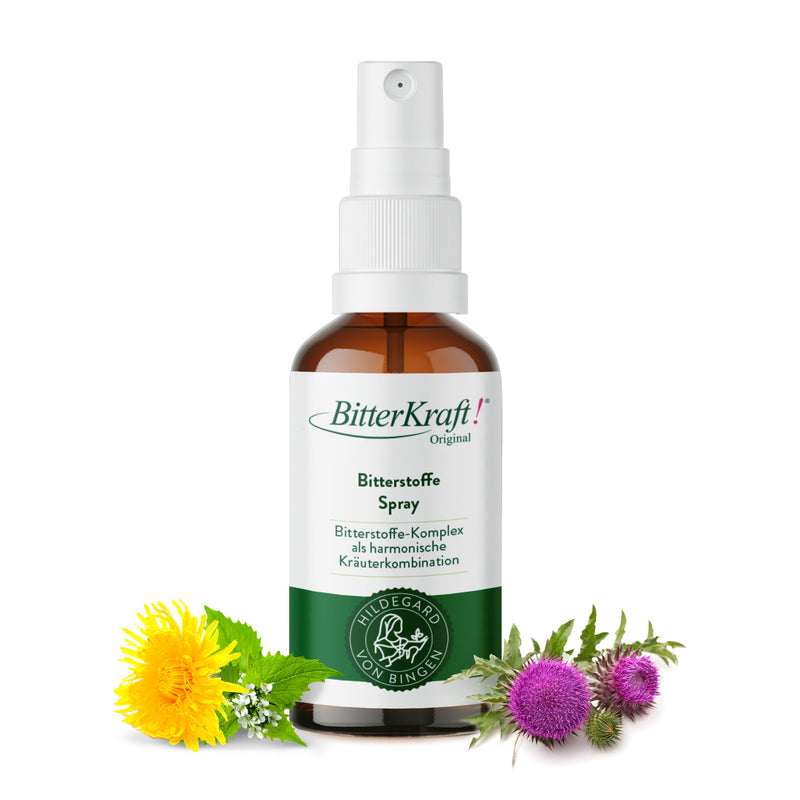
Hildegards Tipp:
- Wertvolle Bittertropfen nach Hildegard Von Bingen als praktisches Spray - Ideal für unterwegs
- Rezeptur auf Basis von 800 Jahren Klosterwissen
- Bitterkraft – der Pionier seit 1996 von 4.000 Heilpraktikern verwendet!
- Beste Naturheilkunde: Bio & vegan
Schoellkraut: Traditionelles Warzenmittel
Schöllkraut ist für seine Wirkung gegen Krämpfe im Verdauungsapparat bekannt, im Volksmunde soll Schöllkraut auch gegen Warzen helfen. Unter Fans der Naturheilkunde ist Schöllkraut auch heute noch ein sehr beliebtes Mittel, welches nicht nur Hildegard von Bingen verwendet hat.
Vorkommen des Mohngewächses
Schöllkraut (Chelidonium majus) zählt zu den Mohngewächsen und war früher nur in den gemäßigten bis warmen Klimazonen in Eurasien, speziell im Mittelmeerraum, anzutreffen. Mit den dorthin ausgewanderten Siedlern hat sich das Schöllkraut auch in Nordamerika ausgebreitet. Es wird von den meisten Gärtnern als Unkraut angesehen.
Der Stickstoffliebhaber fühlt sich in der Nähe von Menschen besonders wohl: Schuttplätze, Wegränder und sogar Mauerspalten nennt er sein Zuhause. Schöllkraut mag es halb sonnig bis halbschattig und eher warm. Es deutet auf frische und stickstoffhaltige Böden hin.
Wirkweise von Schöllkraut: Phytotherapie gegen Warzen und Magenkrämpfe?
Die Volksmedizin verschreibt Schöllkraut äußerlich gegen Warzen, entweder die Pflanzenteile direkt oder als Salbe. Allerdings kann das Kraut zu Hautreizungen führen. Sie sollten es daher niemals ohne ärztlichen Rat verwenden.
Innerlich angewendet, galt Schöllkraut sehr lange als Mittel gegen Krämpfe des Verdauungssystems und Blähungen. Therapieren Sie sich aber niemals selbst mit der Pflanze oder Produkten, die sie enthält – sprechen Sie vorher mit Ihrer Ärztin oder Ihrem Arzt. Denn Schöllkraut kann bei einer falschen Einnahme zu Vergiftungserscheinungen führen und steht zudem seit einigen Jahren unter Verdacht, die Leber zu schädigen.
So gibt es auch unterschiedliche Befunde dazu, ob das Nutzen-Risiko-Verhältnis positiv oder negativ zu bewerten ist. Ein Befund der European Scientific Cooperative on Phytotherapy (ESCOP) hat das Verhältnis als positiv bewertet und damit angesagt, dass es bei leichten Krämpfen des oberen Magen-Darm-Trakts sowie leichten Gallenbeschwerden eingesetzt werden könnte. Nur kurz danach befand allerdings der Ausschuss für pflanzliche Arzneimittel (HMPC) der Europäischen Arzneimittelagentur das genaue Gegenteil.
Inhaltsstoffe: Die Alkaloide des Schöllkrauts
Als Mohngewächs ist Schöllkraut voll von unterschiedlichsten Alkaloiden. Bisher konnten Wissenschaftler mehr als 20 Stück isolieren und identifizieren. Sie kommen in der ganzen Pflanze vor, für medizinische Zwecke wird aber nur der oberirdische Teil verwendet. Im Herbst ist die Wurzel sogar hochgiftig, da sich die Alkaloide in der Zeit dort konzentrieren!
Die bekanntesten Vertreter der Alkaloide des Schöllkrauts sind:
- Berberin
- Chelidonin
- Spartein
- Sanguinarin
Vernachlässigen kann man die Vorkommen an Flavonoiden, proteolytischen Enzymen und organischen Säuren.
Achtung: Nebenwirkungen durch Schöllkraut
Wie wir oben bereits erklärt haben, kann zu viel Schöllkraut toxisch wirken. Wie Paracelsus also einst richtig feststellte, macht hier die Dosis das Gift. In seltenen Fällen treten in Verbindung mit Schöllkraut etwa Magen-Darm-Beschwerden auf. Die Leberfunktion verschlechtert sich bei wenigen Patienten und man konnte leider sogar Leberversagen während dem Gebrauch von Schöllkraut feststellen. Hierzu muss man jedoch sagen, dass man das Schöllkraut nicht direkt als Ursache für das Leberversagen ausmachen konnte.
Der Grund für alle Beschwerden scheinen jedoch die Alkaloide gewesen zu sein. Diese dürfen bei bestehenden Leber- und Gallenwegsentzündungen nicht eingenommen werden. Wenn Sie also zu viel Schöllkraut eingenommen haben, äußert sich das durch Magenschmerzen, Darmkoliken und oft Harndrang.
Schöllkraut-Tee richtig herstellen und dosieren
Für einen Schöllkraut-Tee nehmen Sie einen bis zwei Teelöffel geschnittenen und getrockneten Schöllkrautblättertee und gießen sie mit 150 ml kochendem Wasser auf. Die Ziehzeit beträgt 10 Minuten. Idealerweise verwenden Sie hochwertigen, losen Tee. Damit Sie möglichst keine Nebenwirkungen erfahren, sollten Sie sich langsam steigern. Ein Einstieg mit einem halben Teelöffel losem Tee eignet sich ideal.
Die Geschichte des Schöllkrauts: Eine Heilpflanze mit langer Tradition
Die Geschichte des Schöllkrauts ist fast so alt wie die Naturheilkunde selbst. Bereits in der Antike finden sich Hinweise auf den naturheilkundlichen Gebrauch von Schöllkraut. Darüber hinaus gibt es Erwähnungen des Schöllkrauts von Hildegard von Bingen sowie vom griechischen Arzt Hippokrates. Eingesetzt wurde das Mittel schon da gegen Verdauungsbeschwerden, Krämpfe und Warzen.
Im Mittelalter gehörte das Schöllkraut fest zur Volksmedizin. Eingesetzt wurde es gegen Leberprobleme und Gelbsucht. Mit der Zeit rankten sich immer mehr Mythen um das Schöllkraut, es wurde etwa gegen böse Geister oder als Gottesgabe eingesetzt.
Diese jahrtausendealte Tradition wird fortgeführt: Noch heute gibt es medizinische Anwendungsbereiche für das Schöllkraut. Eingesetzt wird es dabei hauptsächlich gegen leichte Magen-Darm-Beschwerden wie leichte Krämpfe. Das Schöllkraut steht jedoch stellvertretend dafür, dass wir naturheilkundliche Erkenntnisse wie jene Hildegard von Bingens wahren müssen.
Das sonnengelbe Aussehen des Schöllkrauts
Das aufrecht wachsende, verzweigte Kraut erreicht etwa 60 Zentimeter Höhe. Die Blätter ähneln mit ihren Einkerbungen dem Eichenlaub, sind auf der Unterseite heller und insgesamt von einer wachsartigen Schicht überzogen, die Wasser abperlen lässt. In der langen Blütezeit vom Frühjahr bis Herbst strahlt das Schöllkraut mit sonnengelben Blüten.
Schöllkraut selber pflanzen
Für möglichst hochwertiges Schöllkraut empfiehlt es sich, dieses einfach selbst anzupflanzen. In zahlreichen Gärten taucht Schöllkraut bereits als unerwünschtes Unkraut auf, obwohl es eigentlich eine schöne Staude ist. Wollen Sie gezielt Schöllkraut anpflanzen, werden die Samen im März ins Freiland ausgesät. Die Samen sollten dabei nur ganz leicht mit Erde überdeckt bzw. eingehakt werden. Samen von Schöllkraut sind Lichtkeimer und keimen nicht in völliger Dunkelheit.
Das winterharte Schöllkraut braucht anschließend nicht viel Pflege. Einmal im Monat ein wenig flüssiger Dünger und das Schöllkraut hat mehr, als es sich wünschen kann. Da sich das Schöllkraut schnell von selbst ausbreitet, sollten die Schoten vor ihrer Reife entfernt werden.
Achtung: Der Saft, der bei Verletzungen der Blätter austritt, ist stark färbend und ätzend. Darum tragen Gärtner beim Umgang mit Schöllkraut gerne Handschuhe.
Geerntet wird Schöllkraut im Mai und Juni. Hierfür wird einfach das gesamte oberirdische Kraut ausgerissen.
Unterhaltsame Fakten über das Schöllkraut
Der orangegelbe milchige Pflanzensaft, der austritt, wenn Blätter oder Stängel Verletzungen davontragen, färbt sehr stark.
Bei bestehenden oder früheren Lebererkrankungen darf Schöllkraut nicht eingesetzt werden. Auch Gallenerkrankungen gehören hierzu. Schwangere sowie stillende Mütter müssen des Weiteren auf Schöllkraut verzichten, ebenso wie Kinder bis einschließlich 12 Jahren. Bei Anzeichen einer Lebererkrankung (bspw. Gelbfärbung von Haut und Augen, dunkler Urin oder Schmerzen im Oberbauch) müssen Sie sofort den Gebrauch einstellen und einen Arzt aufsuchen.
Schöllkraut: Häufig gestellte Fragen
Was hilft schnell bei Dornwarzen?
Schöllkraut und Warzen: Beide vereint eine jahrhundertelange Tradition. Tatsächlich gilt Schöllkraut als ein Mittel, welches bei Warzen helfen könnte. Leider kann das Auftragen von Schöllkraut auf die Haut auch zu Irritationen führen, weshalb Sie sich bitte nicht Ihre eigenen Warzen mit Schöllkraut Tinkturen therapieren sollten. Suchen Sie lieber einen Arzt auf, der wird Ihnen vermutlich ein anderes Mittel empfehlen.
Wofür ist Schöllkraut gut?
Schöllkraut gilt als ein traditionelles Mittel gegen Warzen. Würde es nicht Hautirritationen und ähnliche schmerzhafte Symptome hervorrufen, würde es sich für diesen Zweck vermutlich recht gut eignen.
Ansonsten wird es gerne innerlich bei leichten Krampfbeschwerden im oberen Verdauungstrakt angewandt, ebenso wie bei Gallenbeschwerden. Auch hier wird der mögliche Nutzen dadurch eingedämmt, dass Schöllkraut den Verdauungsapparat reizen kann. Nehmen Sie darum bitte nie Schöllkraut auf eigene Faust ein, sondern nur in Absprache mit Ihrem Arzt.
Was macht Schöllkraut in Iberogast?
Wegen der möglichen, oben genannten Wirkung von Schöllkraut auf die eigene Verdauung wird es dem berühmten Mittel Iberogast ® Classic beigefügt. Dabei wird eine bestimmte Menge an Schöllkraut bzw. den enthaltenen Alkaloiden nicht überschritten, damit die Verträglichkeit des Mittels gewährleistet werden kann. Wollen Sie auf Nummer sicher gehen und ein Präparat ohne Schöllkraut verwenden, gibt es auch Varianten von Iberogast ohne Schöllkraut.
Was kann man mit Schöllkraut machen?
Möchte man Schöllkraut oral einnehmen, wird es oftmals in einem Tee aufgekocht. Erneut können wir hiervon nur abraten, weil zu hohe Mengen von Schöllkraut bzw. den enthaltenen Alkaloiden große Schäden anrichten können. Aus genau diesem Grund gibt es keine Salate oder ähnliche Speisen mit diesem Kraut.
Sie sollten also gar nichts mit Schöllkraut anstellen, solange Ihr Arzt Ihnen das nicht empfiehlt. Die Nutzung dieses Krauts geht mit Gesundheitsrisiken einher.
Gibt es wissenschaftliche Studien zur Wirksamkeit von Schöllkraut?
Ja, die gibt es. Es gibt jedoch auch Studien zur Toxizität von Schöllkraut. Darüber hinaus sind kaum Studien zu Schöllkraut repräsentativ und mit ausreichend vielen Versuchspersonen durchgeführt worden. Darum ist man sich auch heute noch unklar darüber, ob Schöllkraut tatsächlich wirksam oder nicht doch eher toxisch ist. Anhänger der Naturheilkunde setzen jedoch gerne auf Schöllkraut, ebenso wie Fans der Homöopathie.

Über den Autor Henrik Aulbach
Weitere Artikel
Magenbitterstoffe vor dem Essen: Warum die Reihenfolge entscheidend ist
Magenbitterstoffe vor dem Essen » Nach Hildegard von Bingen ✓ Ohne Zusatzstoffe ✓ Made in Germany – Jetzt mehr erfahren
Bitterstoffreiche Smoothies: Grüne Rezepte für den Verdauungsstart am Morgen
Bitterstoff-Smoothies für den Morgen » Nach Hildegard von Bingen ✓ Vegan ✓ Ohne Zusatzstoffe – Jetzt Rezepte entdecken!
Hildegard von Bingens Dinkelrezepte für eine gesunde Verdauung
Hildegard von Bingens Dinkelrezepte » Nach Hildegard von Bingen ✓ Ohne Zusatzstoffe ✓ Biozertifiziert – Jetzt entdecken