

Henrik Aulbach ist erfahrener Gesundheitsredakteur mit über 10 Jahren Erfahrung, Experte für pflanzliche Wirkstoffe und Kultivierung, Co-Gründer, Buchautor und selbstständiger Fachtexter im Gesundheitswesen seit 2020.
Erfahren Sie hier mehr über diesen Autor.

Lavendel – Heilwirkung und Anwendung
Vorkommen von Lavendel
Lavendel stellt innerhalb der Familie der Lippenblüter, der auch Salbei<...

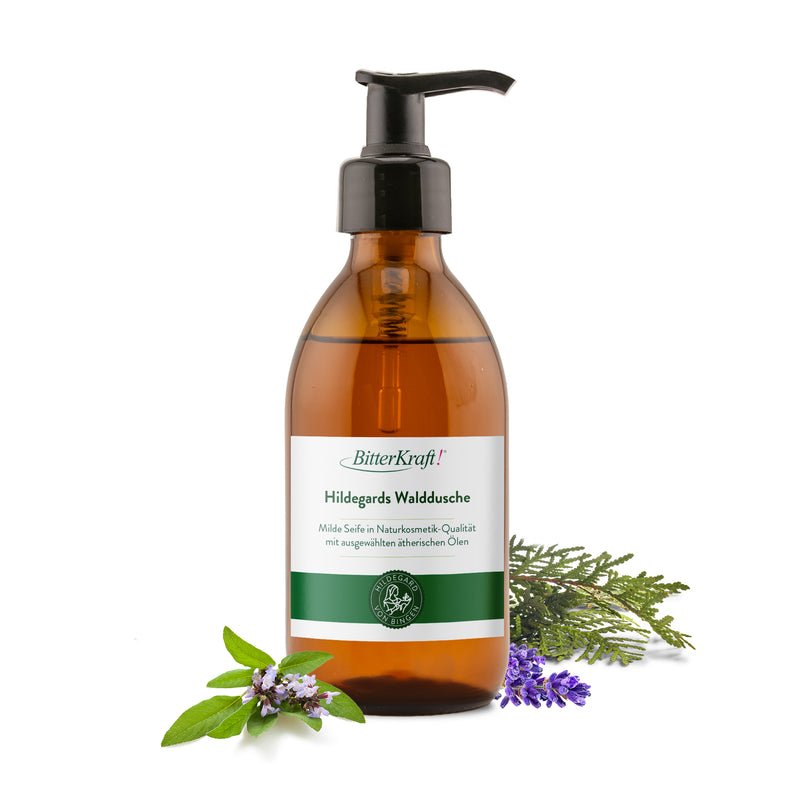
Hildegards Tipp:
- Milde Seife in Naturkosmetik-Qualität mit ausgewählten ätherischen Ölen
- Rezeptur auf Basis von 800 Jahren Klosterwissen
- Bitterkraft – der Pionier seit 1996 von 4.000 Heilpraktikern verwendet!
- Beste Naturheilkunde: Bio & vegan
Vorkommen von Lavendel
Lavendel stellt innerhalb der Familie der Lippenblüter, der auch Salbei und Minze angehören, eine Pflanzengattung mit je nach Autor 28 bis 36 Arten dar. Gleichzeitig lautet so die Kurzform des Echten Lavendels (Lavandula angustifolia), einer Pflanzenart der gleichnamigen Familie.
Als Sonnenanbeter stammt der Echte Lavendel aus der Mittelmeerregion, vor allem an den Küsten ist er weit verbreitet. Trockene und felsige Standorte bilden seine Heimat. Benediktinermönche brachten ihn schon recht früh in den Norden, wo er sich durch seine leuchtenden Blütenstände und seinen aromatischen Duft als Gartenschönheit hervortat. Als winterharte Pflanze trotzt er sogar den kalten, hierzulande im Winter herrschenden Temperaturen – zumindest im milderen Klima der Weinbauregionen.
Ansonsten benötigt er vor Frost Schutz. Solange Lavendel an seinem Standort reichlich Sonne bekommt, genügt ihm auch ein nährstoffarmer, am besten durchlässiger Boden. Staunässe lässt ihn jedoch verkümmern. Im Garten erweist sich eine Drainage aus grobem Sand oder Kies als hilfreich.
Inhaltsstoffe von Lavendel
Echter Lavendel enthält ätherisches Öl, das sogenannte Lavendelöl, das sich unter anderem aus Linaloo, Linalylacetat und weiteren Terpenen zusammensetzt. Weitere Inhaltsstoffe der Duftpflanze bilden Gerbstoffe und Phenolcarbonsäuren wie die Rosmarinsäure.
Wirkweise von Lavendel
Mit seinen leuchtenden Blüten verschönert Lavendel jeden Garten und versprüht dabei mediterranes Flair. Den Bienen bietet der Halbstrauch reichlich Nahrung. Auch als Gewürz hat er es in sich. Sein Aroma erstreckt sich von bitter bis würzig. Ein wenig erinnert es an das von Rosmarin. Wegen seines intensiven Geschmackes sollte Lavendel in der Küche äußerst sparsam eingesetzt werden. Deftigen Gerichten wie Geflügel, Fisch und Suppen verpasst er eine angenehme Würze. Aber auch Süßspeisen gibt er eine angenehme Note.
Als Heilpflanze wird Echter Lavendel schon seit Jahrhunderten genutzt. Der arzneilichen Verwendung dienen heute seine Blüten oder Lavendelöl, das per Wasserdampfdestillation aus den Blüten gelöst wird. Die Lavendelblüten lassen sich zu einem Tee aufbrühen und innerlich einsetzen oder äußerlich als Aufguss.
Das Hauptanwendungsgebiet von Lavendel besteht in der Behandlung von Unruhe und Stress. Seine leicht beruhigende Wirkung soll bei Migräne, nervöser Erschöpfung und Einschlafstörungen helfen. Den Nutzen von Lavendelöl bei Angstzuständen konnte eine Studie bereits bestätigen. Weil Lavendel mitunter auch antibakterielle Effekte zugeschrieben werden, wird er manchmal Gurgellösungen beigesetzt. Ebenso soll er Hautreizungen abklingen lassen.
Aussehen von Lavendel
Von dem Halbstrauch verholzt nur der untere Teil. Charakteristisch für Echten Lavendel sind seine violetten Blüten, die in Form von Ähren wachsen. Schneiden Sie ihn rechtzeitig zurück, können Sie sich sogar noch an einer zweiten Blüte erfreuen. Außerhalb der Blütezeit, die im Juli beginnt, faszinieren seine Blätter in Silbergrau.

Über den Autor Henrik Aulbach
Weitere Artikel
Magenbitterstoffe vor dem Essen: Warum die Reihenfolge entscheidend ist
Magenbitterstoffe vor dem Essen » Nach Hildegard von Bingen ✓ Ohne Zusatzstoffe ✓ Made in Germany – Jetzt mehr erfahren
Bitterstoffreiche Smoothies: Grüne Rezepte für den Verdauungsstart am Morgen
Bitterstoff-Smoothies für den Morgen » Nach Hildegard von Bingen ✓ Vegan ✓ Ohne Zusatzstoffe – Jetzt Rezepte entdecken!
Hildegard von Bingens Dinkelrezepte für eine gesunde Verdauung
Hildegard von Bingens Dinkelrezepte » Nach Hildegard von Bingen ✓ Ohne Zusatzstoffe ✓ Biozertifiziert – Jetzt entdecken