

Henrik Aulbach ist erfahrener Gesundheitsredakteur mit über 10 Jahren Erfahrung, Experte für pflanzliche Wirkstoffe und Kultivierung, Co-Gründer, Buchautor und selbstständiger Fachtexter im Gesundheitswesen seit 2020.
Erfahren Sie hier mehr über diesen Autor.

Wilde Malve – Heilwirkung und Anwendung
Wilde Malve: Zeitlose Heilpflanze und majestätische Sonnenblume
Die Wilde Malve, auch Käsepappel oder Rosspappel genannt, ist eine ...

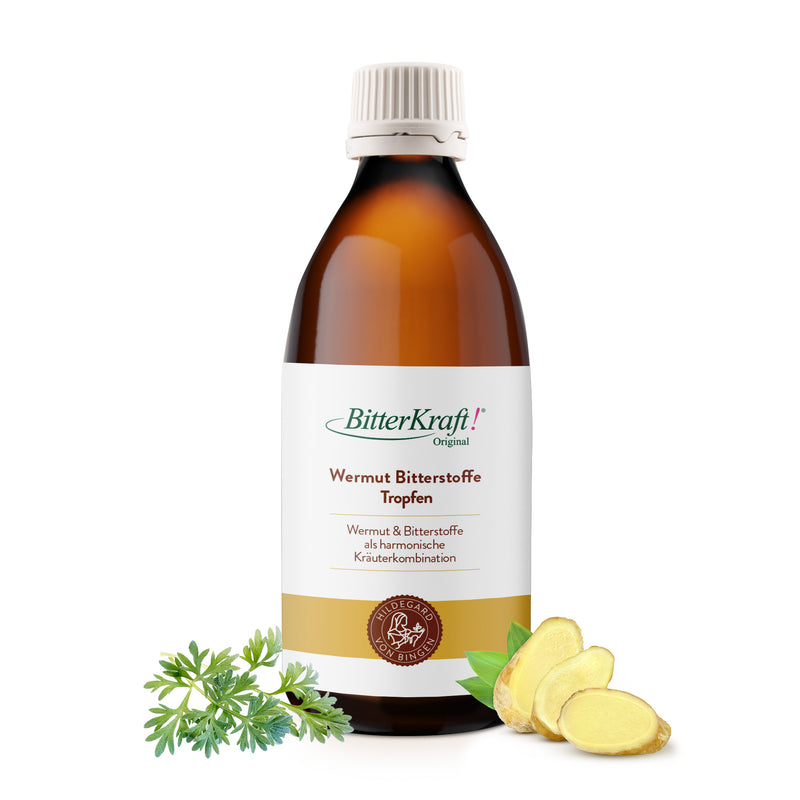
Hildegards Tipp:
- Erlesene Bittertropfen mit Wermuth nach Hildegard Von Bingen
- Rezeptur auf Basis von 800 Jahren Klosterwissen
- Bitterkraft – der Pionier seit 1996 von 4.000 Heilpraktikern verwendet!
- Beste Naturheilkunde: Bio & vegan
Wilde Malve: Zeitlose Heilpflanze und majestätische Sonnenblume
Die Wilde Malve, auch Käsepappel oder Rosspappel genannt, ist eine der bekanntesten und ältesten Heilpflanzen. Bekannt ist sie u. a. wegen ihrer schleimlösenden Wirkung, welche Naturheilkundige bereits vor Jahrtausenden zu nutzen wussten. Heute ist die krautige Gemüsepflanze eher als schöne Sonnenblume bekannt.
Vorkommen der Wald Malve
Die Wilde Malve (Malva sylvestris) ist eine beliebte Gemüsepflanze, die auch gern als Heilpflanze zum Einsatz kommt. Ursprünglich nannte sie Südeuropa und den Mittelmeerraum ihre Heimat, heute ist sie bis nach Zentralasien und den Himalaja ausgewandert. Sie fühlt sich am Rand von Wegen und Wiesen wohl, liebt aber auch Böschungen und sogar Ödland. Synonyme dieser Pflanze lauten:
- Algiermalve
- Ross-Malve
- Chäslichrut
- Gartenpappel
- Käsekraut
- Blaue Pappelblumen
Wirkweise der Wald Malve: Tausendjähriges Hustenmittel
Sie ist nicht nur hübsch, sondern auch sehr beliebt in der Phytotherapie: Die schleimbildenden Eigenschaften der Wilden Malve sollen bei gereizten Schleimhäuten helfen, indem die Pflanze einen schützenden Film über die beanspruchten Stellen legt. So verwendet die Pflanzenheilkunde Extrakte des Krauts etwa bei trockenem Reizhusten. Auch bei der Magen-Darm-Pflege kommt die Wilde Malve zum Einsatz.
Die Wilde Malve war einst eine der wichtigsten Pflanzen der Naturheilkunde im Mittelalter. In der Landgüterverordnung Karls des Großen wurde etwa der Anbau der krautigen Gemüsepflanze verordnet, in fast jedem Kräuterbuch ist ein Eintrag zur Wilden Malve vorzufinden. Heute wird die Malva sylvestris fast ausschließlich naturheilkundlich bei Erkältungskrankheiten eingesetzt.
Vorsicht: Der Verzehr der Wilden Malve kann die Wirksamkeit medizinischer Präparate herabsetzen. Es sollte mindestens eine Stunde Zeit zwischen der Einnahme Ihrer Arznei und der Einnahme eines malvenhaltigen Produkts liegen.
Inhaltsstoffe der Wald Malve
Die wichtigsten Bestandteile der Wilden Malve, die deren Wirkung erzielen, sind die Schleimstoffe. Sie sind in einer Konzentration zwischen fünf und zwölf Prozent enthalten. Dazu zählen mehrere Zuckermoleküle. Auch Flavonoide finden sich in dem Kraut.
Wie wird die Wilde Malve verwendet?
Neben dem Gebrauch in der Naturheilkunde, wird die Malve von Gärtnern und Köchen genutzt. Gärtner können ein schönes Sommerbeet in allerlei Farben durch Malvenarten erstrahlen lassen. Insbesondere naturnahe Beete enthalten immer öfter Wilde Malve. In hübschen und natürlichen Blumensträußen fehlt die Wilde Malve nur selten.
In der Küche eignen sich die Blüten, Stiele und Blätter hervorragend zum Garnieren und Dekorieren. Die Blätter kann man bspw. auch wie Spinat dünsten und als Mahlzeit genießen. Besonders beliebt sind unter Genießern die unreifen Früchte, welche mal als „Kaiselaiber” bezeichnet. Sie schmecken nussig und erinnern an Kapern.
Die jahrtausendealte Tradition der Wilden Malve
Die Wilde Malve hat eine lange Tradition als menschliche Heilpflanze. Erste Erwähnungen finden sich in Werken der Antike. Hier hat etwa Dioskurides erwähnt, dass die Malve gegen Gebärmutterleiden und gewisse Gifte helfe. Plinius meinte erkannt zu haben, dass die Malve Geburten fördern kann, wenn man sie der gebärenden Mutter unterlegt. Auch Hildegard von Bingen erwähnte die Wilde Malve, sie riet jedoch von dessen Genuss ab, weil zu viele Schleimstoffe enthalten seien. Heute wissen wir, dass genau dieser Schleim hilfreich sein kann und bspw. bei trockenem Husten helfen könnte.
Aussehen der Wald Malve: Violett bis rosa
Die krautige Pflanze wird zwischen 30 und 120 Zentimetern hoch. Oft wächst sie nur einjährig. Die einzelnen Sorten der Wilden Malve unterscheiden sich in ihrer Wuchsform stark, weshalb eine allzu detaillierte Beschreibung nur schwer möglich ist. Manche breiten sich niedrig und weit aus, andere werden hoch und buschig. Die Sommerblume bildet von Mai bis September blauviolette bis rosafarbene Blüten aus.
Wilde Malve selbst anbauen
Uns sind insgesamt 30 Malvenarten bekannt, wobei die Wilde Malve (Malva sylvestris) einer der naturheilkundlich interessantesten Vertreter ist. Ursprünglich in Südeuropa heimisch, wachsen Wilde Malven bevorzugt an sonnigen und warmen Standorten wie Wegrändern oder Waldlichtungen. Besondere Ansprüche an den Boden werden nicht gehegt, solange die Erde durchlässig, locker und ggf. nährstoffreich ist. Ende April ist die Zeit zur Aussaat von Wilder Malve ins Freiland. Wollen Sie die Pflanzen schneller in die Blüte bringen, ziehen Sie die Keime drinnen auf der Fensterbank hoch. Wichtig ist ein Abstand von etwa 40 cm zwischen den einzelnen Stauden, damit sie nicht in Konkurrenz geraten.
Wilde Malve darf nicht austrocknen, wobei Staunässe noch tödlicher für die krautige Gemüsepflanze ist. Die Beigabe von Düngern ist nicht wirklich nötig, eine gute Hilfe ist jedoch ein wenig Kompost bei der Aussaat.
Die Mauretanische Malve
Wie soeben erwähnt, kennen wir 30 Malvenarten. Eine naturheilkundlich ebenfalls recht interessante Art ist die Mauretanische Malve (Malva sylvestris subsp. mauritiana). Heimisch ist sie in Algerien und der Iberischen Halbinsel. Ihre Blätter sind groß und dunkelviolett, die Blüten sind durch tiefe Adern durchzogen. Wollen Sie Ihr Malvenbeet noch mehr aufhübschen, können Sie zur Malvenart Zebrina greifen, diese weist helle Blüten mit roter Zeichnung auf. Die Art Blue Fountain erstrahlt in Violettblau. Wirklich bunt geht es mit der Malvenart Mystic Merlin zu, welche allerlei Blütenfarben annehmen kann.
Unterhaltsame Fakten zur Wald Malve
Die Wilde Malve trägt zahlreiche Bezeichnungen: Käsepappel, Rosspappel, Käslikraut, Katzenkäse, Hasenpappel, Hanfpappel und weitere volkstümliche Spitznamen – mit der Pappel ist sie allerdings nicht verwandt!
Der Name rührt stattdessen von dem Wort „Papp“ her, also Brei. Denn früher bereitete man mit der Wilden Malve Mahlzeiten, vor allem für Kinder. Sie ist tatsächlich schon in der Antike als kultivierte Nutzpflanze für die Küche angebaut worden.
Die Wilde Malve braucht recht viel Stickstoff, weshalb sie als Stickstoffanzeiger fungieren kann. Wo Wilde Malve wächst, liegt ein stickstoffreicher Boden vor.
Wilde Malve: Häufig gestellte Fragen
Wo ist die Wilde Malve ursprünglich beheimatet und wo findet man die krautige Gemüsepflanze heute?
Die Wilde Malve (Malva sylvestris) stammt ursprünglich aus Südeuropa und dem Mittelmeerraum. Genauer stammt sie aus Ländern wie Italien, Spanien, Griechenland und der Türkei. Mittlerweile hat sie sich in weitere Regionen Europas und auch Asiens ausgebreitet. Bevorzugt wächst sie an Wegrändern und an Böschungen.
Wie kann die Wilde Malve in der Phytotherapie eingesetzt werden?
Die Phytotherapie beschäftigt sich mit der medizinischen Wirkung von Pflanzen. Die Wilde Malve kann ebenfalls phytotherapeutisch eingesetzt werden. Sie wirkt schleimlösend und entzündungshemmend auf die Schleimhäute, weshalb sie etwa bei Reizhusten verwendet werden kann. Auch entzündete und gereizte Haut kann durch Wilde Malve Abhilfe erfahren. In Hustensäften, Lutschpastillen und auch Mundspülungen ist die Wilde Malve gelegentlich vorzufinden. Bedenken Sie bitte, bei anhaltenden Beschwerden einen Arzt aufzusuchen.
Kann der Verzehr der Wilden Malve die Wirkung von Medikamenten beeinflussen?
Ja, das kann der Verzehr der Wilden Malve. Daher sollten Sie beim Gebrauch von Medikamenten und der Wilden Malve Rücksprache mit einem Arzt halten. Darüber hinaus sollte der Abstand zwischen der Einnahme von Medikamenten und Wilder Malve mehrere Stunden betragen.
Gibt es bekannte Nebenwirkungen der Wilden Malve?
Es gibt nur wenige Berichte von Nebenwirkungen durch die Wilde Malve. Darüber hinaus kann man nicht klar die Nebenwirkungen auf den Verzehr der Wilden Malve zurückführen. Folgende Beschwerden könnten jedenfalls eintreten:
- Magen-Darm-Beschwerden
- Allergische Reaktionen
- Wechselwirkungen mit anderen Medikamenten
Welche anderen Malvenarten sind naturheilkundlich interessant?
Es gibt mindestens 30 Malvenarten, von denen einige ebenfalls naturheilkundlich interessant sind. Wir zählen die beliebtesten Vertreter auf:
Weg-Malve (Malva neglecta): Sie ähnelt der Wilden Malve und wird auch bei Husten, Halsschmerzen und Reizungen der Atemwege eingesetzt.
Stockmalve (Malva verticillata): Diese Art wird in der Traditionellen Chinesischen Medizin verwendet. Dort soll sie die Verdauung fördern und vor Verstopfungen schützen.
Muskatmalve (Malva moschata): Diese Malve wird vorrangig für Malventees verwendet. Eingesetzt wird sie demnach bei Erkältungen, Husten und Magen-Darm-Beschwerden.
Kretische Malve (Malva cretica): Sie ist aus der mediterranen Volksmedizin bekannt und wird ähnlich wie die Wilde Malve eingesetzt.
Roseneibisch (Hibiscus sabdariffa): Obwohl der Roseneibisch genau genommen keine Malvenart ist, gehört er zu den Malvengewächsen. Er wird naturheilkundlich bei hohem Blutdruck und zur Förderung der Verdauung eingesetzt.
In welcher Form kann man die Wilde Malve in der Naturheilkunde erwerben?
Es gibt zahlreiche Darreichungsformen, in denen Sie die Wilde Malve erwerben können. Wir führen die bekanntesten Formen auf:
Getrocknete Kräuter: Die getrockneten Kräuter sind lange haltbar und werden in loser Form verkauft. Sie können für Tees, Aufgüsse, Inhalationen und vieles mehr verwendet werden.
Teebeutel: Sie dienen lediglich dem Aufkochen von Tee. Loser Tee hat meistens eine bessere Qualität und wurde schonender verarbeitet.
Tinkturen: Sie können Tinkturen kaufen oder selbst herstellen, indem Sie Malvenkraut mit Alkohol in ein Schraubglas geben und für etwa 3 Wochen an einem warmen Ort stehen lassen. Eingesetzt werden Tinkturen innerlich und äußerlich.
Salben und Cremes: Die Kosmetikindustrie entdeckt die Wilde Malve wieder für sich und fügt sie einigen Cremes und Lotions hinzu.

Über den Autor Henrik Aulbach
Weitere Artikel
Magenbitterstoffe vor dem Essen: Warum die Reihenfolge entscheidend ist
Magenbitterstoffe vor dem Essen » Nach Hildegard von Bingen ✓ Ohne Zusatzstoffe ✓ Made in Germany – Jetzt mehr erfahren
Bitterstoffreiche Smoothies: Grüne Rezepte für den Verdauungsstart am Morgen
Bitterstoff-Smoothies für den Morgen » Nach Hildegard von Bingen ✓ Vegan ✓ Ohne Zusatzstoffe – Jetzt Rezepte entdecken!
Hildegard von Bingens Dinkelrezepte für eine gesunde Verdauung
Hildegard von Bingens Dinkelrezepte » Nach Hildegard von Bingen ✓ Ohne Zusatzstoffe ✓ Biozertifiziert – Jetzt entdecken