

Henrik Aulbach ist erfahrener Gesundheitsredakteur mit über 10 Jahren Erfahrung, Experte für pflanzliche Wirkstoffe und Kultivierung, Co-Gründer, Buchautor und selbstständiger Fachtexter im Gesundheitswesen seit 2020.
Erfahren Sie hier mehr über diesen Autor.

Weiße Taubnessel: Wirkung, Anwendung und Dosierung
Weiße Taubnessel: Das Schaf im Wolfsgewand
Die Weiße Taubnessel ist nicht nur unter Insekten heiß begehrt: Auch wir Menschen nutzen diese Pflanze seit Jahrhunderten....

Hildegards Tipp:
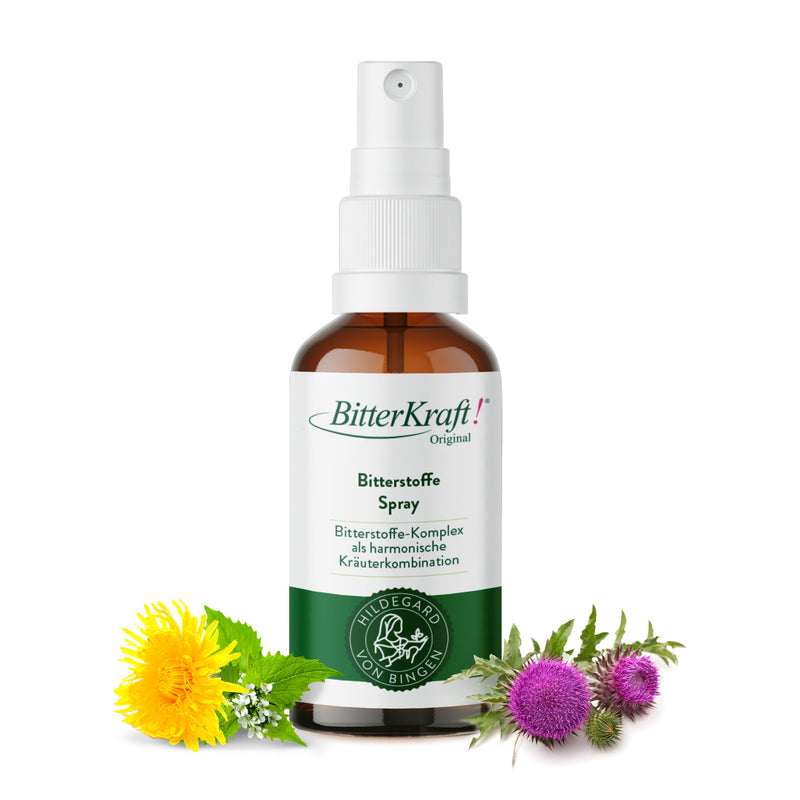
- Wertvolle Bittertropfen nach Hildegard Von Bingen als praktisches Spray - Ideal für unterwegs
- Rezeptur auf Basis von 800 Jahren Klosterwissen
- Bitterkraft – der Pionier seit 1996 von 4.000 Heilpraktikern verwendet!
- Beste Naturheilkunde: Bio & vegan
Weiße Taubnessel: Das Schaf im Wolfsgewand
Die Weiße Taubnessel ist nicht nur unter Insekten heiß begehrt: Auch wir Menschen nutzen diese Pflanze seit Jahrhunderten. Sie kann in der Naturheilkunde eingesetzt werden, ebenso wie in der Küche. Ihr Geschmack, der leicht an Champignons erinnert, ist eine Bereicherung für jede Küche und Garten. Ganz im Gegenteil zur schmerzenden Brennnessel.
Vorkommen der weißen Taubnessel
Die Weiße Taubnessel ist ein Lippenblütler, der in ganz Europa und in Nordasien beheimatet ist. Er gilt als typisch für die deutsche Flora. Eingeschleppt durch die Menschen, hielt er auch in Nordamerika und Neuseeland Einzug.
Da die Pflanze einen hohen Stickstoffgehalt im Boden mag, ist sie ein guter Indikator für Stickstoffreichtum. Sie tummelt sich vorzugsweise an Weg- und Wiesenrändern, in Gräben und bei Hecken. Selbst im Gebirge in fast 2000 Metern über dem Meeresspiegel gedeiht die Weiße Taubnessel prächtig.
Wirkweise der weißen Taubnessel: Traditionsmittel der Frauenheilkunde
Aus der Naturheilkunde ist die Weiße Taubnessel mit ihrer Wirkung nicht mehr wegzudenken. Schon Hildegard von Bingen, aber auch Sebastian Kneipp schätzten die Pflanze. Da sie im Gegensatz zur Brennnessel keine schmerzhaften Reizungen verursacht, sind ihre jungen Triebe und Blätter mit ihrem pilzartigen Geschmack eine wunderbare Ergänzung zu Salat, Spinat und Suppe. Auch ihre Wurzeln können Sie im Herbst ruhig verarbeiten. Die Blüten wiederum schmecken süß und passen zu Desserts.
Die Weiße Taubnessel ist Teil der traditionellen Frauenheilkunde, kann aber auch wohltuend für die Atemwege und den Magen-Darm-Trakt sein. Um die angenehme Unterstützung durch die Weiße Taubnessel zu erhalten, können Sie sie nicht nur essen, sondern auch als Tee aufbrühen. Sie eignet sich zudem als Mundspülung. Äußerlich unterstützt sie in Form von abgekochten Umschlägen sanft bei Hautschwellungen.
Inhaltsstoffe der weißen Taubnessel
In der Weißen Taubnessel tummeln sich:
- ätherische Öle
- Flavonglykoside
- freie Aminosäuren
- Gerbstoffe
- Kohlenhydrate
- Saponine
- Schleimstoffe
Die Fülle an guten Inhaltsstoffen macht die weiße Taubnessel so beliebt. Die ätherischen Öle setzen sich aus aromatischen Terpenen zusammen, die oft auch Auswirkungen auf die menschliche Gesundheit haben. Die Flavonglykoside sind pflanzliche Farbstoffe, welche ebenfalls als sekundäre Pflanzenstoffe gewisse Wirkweisen äußern könnten. Gerbstoffe sind als Anti-Nährstoffe für Bakterien bekannt.
Die vielfältigen Anwendungen der weißen Taubnessel
Die weiße Taubnessel wird meistens in Form von Tees eingenommen. In der Regel gehen die Nutzer hierfür in die Natur und pflücken sich frische Zweige der weißen Taubnessel. Idealerweise pflanzen Sie Taubnesseln in Ihren Garten, um die volle Kontrolle über die Qualität zu wahren. Alternativ können Sie online einen Fertigtee aus Taubnesselkraut kaufen.
Alternativ gibt es vereinzelt Präparate mit weißer Taubnessel zu kaufen. Wollen Sie möglichst hochwertige Taubnessel einnehmen, achten Sie auf Kapseln oder Dragees, denen keine unnötigen Füllstoffe zugeführt wurden. Es sollte also lediglich das Material der Kapselhülle sowie der Pflanzenextrakt enthalten sein.
Für genaue Anweisungen fragen Sie bitte Ihren Arzt oder Naturheilpraktiker.
Unterschiede zwischen der Brennnessel und der weißen Taubnessel
Vermeintlich haben Brennnesseln (Urtica dioica) und weiße Taubnesseln (Lamium album) viel gemeinsam. Doch dem ist nicht so, sie gehören sogar unterschiedlichen Pflanzenarten an. Folgende Unterschiede sind am wichtigsten:
Aussehen: Die Brennnessel ist eine mehrjährige Pflanze mit gezahnten und gegenständigen Blättern, welche zudem Brennhaare aufweisen. Diese Brennhaare lösen Irritationen und Juckreiz bei Berührung aus. Die weiße Taubnessel hat herzförmige und gegenständige Blätter, die keine Brennhaare besitzen.
Blüten: Die Blüten der Brennnessel sind grün und unauffällig. Die Blüten der weißen Taubnessel sind auffällig weiß oder hellrosa und sind oft in Trauben angeordnet.
Verwendung: Beide Pflanzen werden naturheilkundlich und in der Küche eingesetzt. Im Gegenteil zur Brennnessel ist die weiße Taubnessel jedoch darüber hinaus eine Zierpflanze in vielen Gärten.
Vorkommen: Die Brennnessel ist sehr weit verbreitet. Die weiße Taubnessel bedeckt ebenfalls zahlreiche Teile des Planeten, jedoch nicht so viele wie die Brennnessel.
Aussehen der weißen Taubnessel: Haare ohne Brennen
Auf den ersten Blick ähnelt die Weiße Taubnessel der allseits bekannten Brennnessel – allerdings löst die Behaarung ihrer Blätter kein Brennen aus. Genau genommen ist sie nicht einmal mit der Brennnessel verwandt, erhielt aber aufgrund der äußerlichen Ähnlichkeit zumindest im Deutschen ebenfalls die Bezeichnung Nessel. Sie wird zwischen 20 und 70 Zentimeter hoch und besitzt einen vierkantigen Stängel. Ihre Blätter sind kräftig grün und auffällig gezahnt. Zwischen April und Oktober bildet sie weiße Blüten und gelbe Pollen aus.
Weiße Taubnessel im eigenen Garten pflanzen
Weiße Taubnesseln selbst zu pflanzen, ist kein Problem, da sie sich bestens in unserem Klima wohlfühlen. Wollen Sie die weiße Taubnessel in Ihren Garten setzen, holen Sie sich idealerweise einen Ableger aus der umliegenden Natur und pflanzen diesen in Ihren Garten. Als Standort empfiehlt sich ein leicht schattiger bis halbschattiger Platz mit feuchtem Boden. Vollsonne und Hitze mag die weiße Taubnessel gar nicht, dafür liebt sie stickstoffreiche Böden.
Die weiße Taubnessel hat einen starken Ausbreitungsdrang und lebt diesen durch seinen kriechenden Wurzelstock aus. Sie müssen ihrer Ausbreitung also Einhalt gebieten. Einsetzen lässt sich die Taubnessel hervorragend als Bodendecker unter Hecken oder einfach als Bestandteil des Kräutergartens.
Unterhaltsame Fakten zur weißen Taubnessel
Die Taubnessel hat sich bestens an schattige Orte angepasst: Die Haare auf ihren Blättern sollen etwa dafür sorgen, dass auch bei wenig Licht Photosynthese betrieben werden kann.
Die weiße Taubnessel ist darüber hinaus vergleichsweise stark aromatisch, wobei ihr Honig-Aroma Insekten anziehen soll.
Die symbolische Bedeutung der weißen Taubnessel ist ebenfalls sehr interessant. In zahlreichen Gesellschaften und Kulturen steht die weiße Taubnessel repräsentativ für Reinheit, Schönheit und Unschuld.
Weiße Taubnessel: Häufig gestellte Fragen
Wo ist die weiße Taubnessel heimisch?
Die weiße Taubnessel ist in Deutschland bzw. Europa heimisch und erstreckt sich nach Osten hin bis in den Himalaja. Nach Nordamerika hat der Mensch die weiße Taubnessel gebracht, dort verbreitet sie sich nun immer weiter. Heimisch ist sie jedoch ungefähr bei uns in Mitteleuropa.
Wie kann die weiße Taubnessel in der Küche verwendet werden?
Die weiße Taubnessel kann als vielseitiges Würzkraut eingesetzt werden. Ein pilzartiger Geschmack, der an Champignons erinnert, geht von frischen Blättern und jungen Trieben aus. Leicht gedünstet landen diese in Suppen oder Salaten. Die Wurzeln können im Herbst geregnet werden. Ihr Geschmack ist relativ mild, wobei die Wurzeln für ihre naturheilkundlichen Vorteile begehrt werden.
Die Blüten werden gerne zum Garnieren von Desserts verwendet, zumal sie einen relativ milden Geschmack aufweisen. Bedenken Sie bitte, die weißen Taubnesseln vor Gebrauch ordentlich zu reinigen.
Wie kann man die Ausbreitung der weißen Taubnessel kontrollieren?
Die weiße Taubnessel wird sich ausbreiten, solange Sie ihr nicht Einhalt gebieten. Wurzelsperren sind ein effektives Mittel, um den kriechenden Wurzelstock einzudämmen. Da sich die Pflanze wild verpflanzen wird, müssen regelmäßig Pflanzenteile entfernt werden. Das Mulchen rund um die weißen Taubnesseln ist ebenfalls recht hilfreich, wobei sich das Pflanzen von Konkurrenzpflanzen eher empfehlen lässt.
Welche besonderen Anpassungen hat die weiße Taubnessel an schattige Orte?
Die weiße Taubnessel hat sich darauf spezialisiert, an schattigen Orten möglichst viel Sonnenenergie gewinnen zu können. So sind die Blätter behaart, um die Oberfläche zu erhöhen. Die Chloroplasten sind so verteilt, dass das Licht, welches auf die Blätter fällt, möglichst effizient genutzt wird. Im Vergleich zu anderen Schattenpflanzen hat die Taubnessel große und breite Blätter, um mehr Licht aufzufangen.
Ist die weiße Taubnessel giftig oder sicher für den Verzehr?
Meistens ist die weiße Taubnessel sicher für den Verzehr geeignet, solange bspw. nicht Tierfäkalien oder ähnliches an den Pflanzenteilen hängenbleiben. Dadurch kann die Taubnessel sogar roh gegessen werden. Wichtig ist, dass Sie die Pflanzen richtig kategorisieren und bspw. keine Brennnesseln roh verzehren. Sollten Sie sich unsicher über die vorliegende Pflanze sein, lassen Sie den Verzehr bitte bleiben.
Wie kann man die weiße Taubnessel als Tee zubereiten?
Wollen Sie einen Tee aus der weißen Taubnessel zubereiten, nehmen Sie wahlweise frische Zweige, Blätter, Blüten oder Wurzeln. Reinigen Sie diese gründlich und erwärmen Sie anschließend die gewünschte Menge an Wasser. Je Tasse Tee sollte etwa ein Teelöffel der zerkleinerten Blätter aufgekocht werden. Gießen Sie das kochend heiße Wasser über die Blätter und lassen Sie den Tee für bis zu 10 Minuten ziehen.
Genießen Sie den Tee am besten noch warm, gerne mit etwas Zucker oder Zitronensaft.

Über den Autor Henrik Aulbach
Weitere Artikel
Magenbitterstoffe vor dem Essen: Warum die Reihenfolge entscheidend ist
Magenbitterstoffe vor dem Essen » Nach Hildegard von Bingen ✓ Ohne Zusatzstoffe ✓ Made in Germany – Jetzt mehr erfahren
Bitterstoffreiche Smoothies: Grüne Rezepte für den Verdauungsstart am Morgen
Bitterstoff-Smoothies für den Morgen » Nach Hildegard von Bingen ✓ Vegan ✓ Ohne Zusatzstoffe – Jetzt Rezepte entdecken!
Hildegard von Bingens Dinkelrezepte für eine gesunde Verdauung
Hildegard von Bingens Dinkelrezepte » Nach Hildegard von Bingen ✓ Ohne Zusatzstoffe ✓ Biozertifiziert – Jetzt entdecken