

Henrik Aulbach ist erfahrener Gesundheitsredakteur mit über 10 Jahren Erfahrung, Experte für pflanzliche Wirkstoffe und Kultivierung, Co-Gründer, Buchautor und selbstständiger Fachtexter im Gesundheitswesen seit 2020.
Erfahren Sie hier mehr über diesen Autor.

Weihrauch in der Klostermedizin
Vorkommen von Weihrauch
Weihrauch (Olibanum) dient sowohl kultischen als auch medizinischen Zwecken. Gewonnen wird er aus dem körnigen Harz einiger Boswellia-Arten – einer Pflanzenga...

Hildegards Tipp:
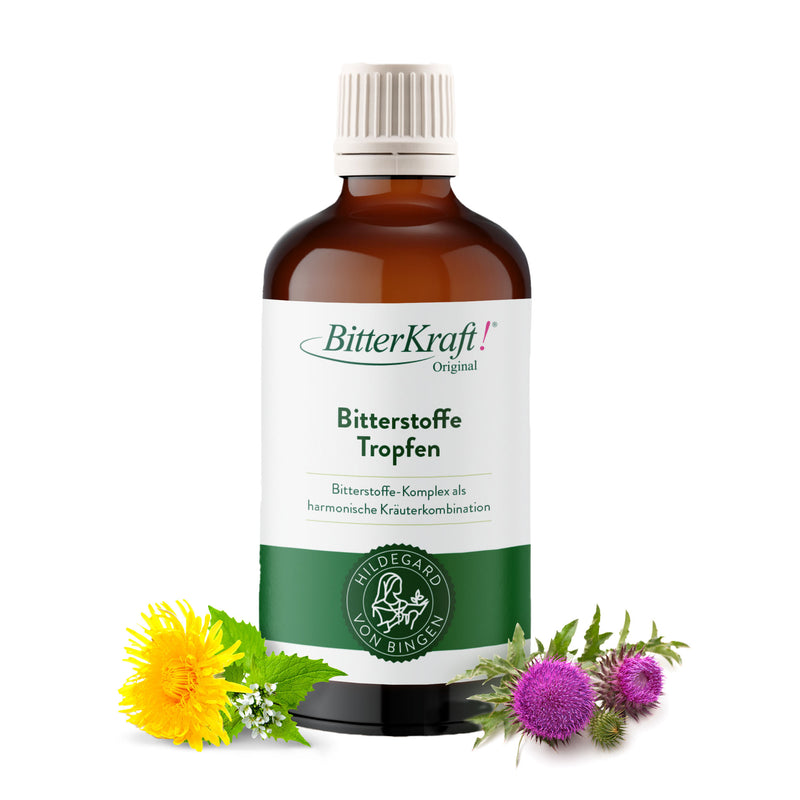
- Wertvolle Bitterstoffe nach Hildegard Von Bingen
- Rezeptur auf Basis von 800 Jahren Klosterwissen
- Bitterkraft – der Pionier seit 1996 von 4.000 Heilpraktikern verwendet!
- Beste Naturheilkunde: Bio & vegan
Vorkommen von Weihrauch
Weihrauch (Olibanum) dient sowohl kultischen als auch medizinischen Zwecken. Gewonnen wird er aus dem körnigen Harz einiger Boswellia-Arten – einer Pflanzengattung in der Familie der Balsambaumgewächse. Wegen ihres wertvollen Harzes zählen die Weihrauch-Bäume zu den kostbarsten Gewächsen unserer Erde. Rund 25 Arten gehören Boswellia an, das begehrte Harz stammt jedoch fast ausschließlich von folgenden vier Sorten:
- Boswellia sacra
- Boswellia serrata
- Boswellia papyrifera
- Boswellia frereana
Boswellia ist dort zu Hause, wo es anderes Leben schwer hat: in den Trockengebieten des afrikanischen, arabischen und indischen Raumes. Raue Wüstengegenden bilden die Heimat der unscheinbar aussehenden Bäume. Zwischen Felsen und Klippen, in Höhenlagen bis zu 1200 Metern, sprießt der Weihrauch-Baum hervor und trotzt dort Windböen und selbst länger andauernden Trockenperioden.
Inhaltsstoffe von Weihrauch
Für die medizinische Nutzung ist insbesondere das Harz von Boswellia serrata von großer Bedeutung, der indische Weihrauch. Seine Wirkung geht vor allem auf die enthaltenen Triterpensäuren, in erster Linie Boswelliasäuren, das ätherische Öl und Incensol zurück.
Wirkweise von Weihrauch
Weihrauch haftete schon immer ein magischer Ruf an. Bereits in der Antike wurde er für viele religiöse Zeremonien genutzt. Sein Wert wurde damals mit dem von Gold verglichen. So galt das milchige Harz als Weißes Gold. Als Räucherwerk verströmt Weihrauch seinen aromatischen himmlischen Duft. In der katholischen Kirche symbolisiert der von Weihrauch aufsteigende Rauch das gen Himmel gerichtete Gebet.
Fast ebenso alt ist das Wissen um seine medizinische Wirkung. In der Vergangenheit hoben bereits zahlreiche Ärzte und Gelehrte die von Weihrauch ausgehenden positiven Effekte hervor. Die alten Ägypter stellten aus dem Harz Salben her und schätzten es wegen des guten Geruchs. Die traditionelle indische Medizin (Ayurveda) wies Weihrauch ebenfalls seit jeher einen festen Platz zu. Der griechische Arzt Hippokrates empfahl seine Nutzung unter anderem zur Wundbehandlung. Und auch Hildegard von Bingen kannte und schätzte im Mittelalter Weihrauch.
Heute haben zahlreiche Studien den medizinischen Nutzen von Weihrauch belegt, vor allem von Boswellia serrata. Große Hoffnungen ruhen hier insbesondere auf seinen entzündungshemmenden Wirkungen. Zur Behandlung von Rheuma und chronisch-entzündlichen Erkrankungen scheint indischer Weihrauch geeignet zu sein.
Ebenso wird Weihrauch eine schmerzlindernde, abschwellende und antibiotische Wirkweise zugesprochen. Diskutiert wird noch, ob das enthaltene Incensol Ängste lösen und zur Entspannung beitragen kann.
Aussehen von Weihrauch
Boswellia-Bäume erreichen Wuchshöhen von bis zu 8 Metern und bleiben damit relativ klein. Die Krone fächert sich breit auf und behält dabei eine flache Form. Um das kostbare Harz zu gewinnen, werden Äste und Stamm angeschnitten. Dort befindet es sich in den Exkreträumen der Rinde.

Über den Autor Henrik Aulbach
Weitere Artikel
Magenbitterstoffe vor dem Essen: Warum die Reihenfolge entscheidend ist
Magenbitterstoffe vor dem Essen » Nach Hildegard von Bingen ✓ Ohne Zusatzstoffe ✓ Made in Germany – Jetzt mehr erfahren
Bitterstoffreiche Smoothies: Grüne Rezepte für den Verdauungsstart am Morgen
Bitterstoff-Smoothies für den Morgen » Nach Hildegard von Bingen ✓ Vegan ✓ Ohne Zusatzstoffe – Jetzt Rezepte entdecken!
Hildegard von Bingens Dinkelrezepte für eine gesunde Verdauung
Hildegard von Bingens Dinkelrezepte » Nach Hildegard von Bingen ✓ Ohne Zusatzstoffe ✓ Biozertifiziert – Jetzt entdecken