

Henrik Aulbach ist erfahrener Gesundheitsredakteur mit über 10 Jahren Erfahrung, Experte für pflanzliche Wirkstoffe und Kultivierung, Co-Gründer, Buchautor und selbstständiger Fachtexter im Gesundheitswesen seit 2020.
Erfahren Sie hier mehr über diesen Autor.

Taubnessel – Heilwirkung und Anwendung
Vorkommen von Taubnessel
Die Taubnessel (Lamium) ist eine Pflanzengattung, die etwa 50 Arten von Bodendeckern umfasst. Die Lippenblütler wachsen mittlerweile überall auf der Welt, ihre Urspr...

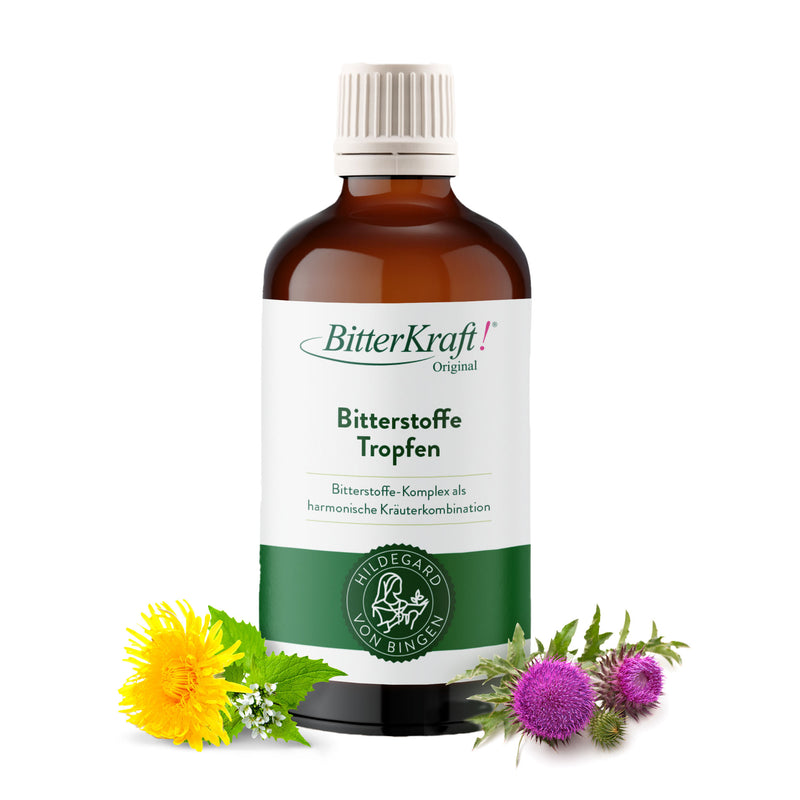
Hildegards Tipp:
- Wertvolle Bitterstoffe nach Hildegard Von Bingen
- Rezeptur auf Basis von 800 Jahren Klosterwissen
- Bitterkraft – der Pionier seit 1996 von 4.000 Heilpraktikern verwendet!
- Beste Naturheilkunde: Bio & vegan
Vorkommen von Taubnessel
Die Taubnessel (Lamium) ist eine Pflanzengattung, die etwa 50 Arten von Bodendeckern umfasst. Die Lippenblütler wachsen mittlerweile überall auf der Welt, ihre Ursprungsgebiete sind aber Europa, Asien und Nordafrika.
Ob eine Taubnessel sonnige oder halbschattige Plätzchen lieber mag, hängt von der Sorte ab. Einige wenige gedeihen am besten im Vollschatten. Im Schnitt bevorzugen Taubnesseln feucht-frische Böden. Es gibt jede Menge Unterarten, die sehr winterhart sind.
Wirkweise von Taubnessel
Taubnesseln sind vielseitig einsetzbare Pflanzen. Die Phytotherapie nutzt sie unter anderem unterstützend für die Verdauung, bei Wechseljahrsbeschwerden sowie Asthma. Es werden ihr antibakterielle und antientzündliche Eigenschaften nachgesagt. Blüten und Blätter dienen als Grundlage für Taubnesseltee.
Darüber hinaus sind die Lippenblütler eine begehrte Salatzutat. Nutzen Sie dafür ausschließlich die jungen Blätter und Blüten. Im Garten sind Taubnesseln außerdem ein wahrer Hummelmagnet. Wenn Sie gern den dicken, flauschigen Brummern zusehen, raten wir zu der genügsamen Pflanzenart.
Inhaltsstoffe von Taubnessel
Je nach Sorte unterscheidet sich die genaue Zusammensetzung der Taubnessel. Wichtige Inhaltsstoffe sind unter anderem: Saponine, ätherische Öle, Schleim- und Gerbstoffe, Flavonglykoside, Histamin und Tyramin.
Aussehen von Taubnessel
Die krautige Pflanze bildet an ihren oberirdischen Pflanzenteilen, also Stängel, Blüten und Blätter, kleine Härchen mit Drüsen aus. In ihrer Blütezeit zeigt sich die Taubnessel mit hübschen Blüten, die in Scheinquirlen angeordnet sind. Das Farbspektrum reicht von Gelb, über Weiß und Rosa, bis Purpur.
Wissenswertes über Taubnessel
Die bei uns am häufigsten verbreitete Taubnesselsorte ist die Weiße Taubnessel. Wie viele ihrer Schwestern ist sie ausgesprochen robust und anspruchslos – und neigt zum Wuchern. Doch mit ein bisschen Eindämmung holen Sie sich mit der Weißen Taubnessel oder anderen Sorten, etwa der Großblütigen Taubnessel oder der Gefleckten Taubnessel, echte Schönheiten in Ihren Garten.

Über den Autor Henrik Aulbach
Weitere Artikel
Magenbitterstoffe vor dem Essen: Warum die Reihenfolge entscheidend ist
Magenbitterstoffe vor dem Essen » Nach Hildegard von Bingen ✓ Ohne Zusatzstoffe ✓ Made in Germany – Jetzt mehr erfahren
Bitterstoffreiche Smoothies: Grüne Rezepte für den Verdauungsstart am Morgen
Bitterstoff-Smoothies für den Morgen » Nach Hildegard von Bingen ✓ Vegan ✓ Ohne Zusatzstoffe – Jetzt Rezepte entdecken!
Hildegard von Bingens Dinkelrezepte für eine gesunde Verdauung
Hildegard von Bingens Dinkelrezepte » Nach Hildegard von Bingen ✓ Ohne Zusatzstoffe ✓ Biozertifiziert – Jetzt entdecken