

Henrik Aulbach ist erfahrener Gesundheitsredakteur mit über 10 Jahren Erfahrung, Experte für pflanzliche Wirkstoffe und Kultivierung, Co-Gründer, Buchautor und selbstständiger Fachtexter im Gesundheitswesen seit 2020.
Erfahren Sie hier mehr über diesen Autor.

Süßholz: Das Wichtigste im Ueberblick
Süßholz: Das aromatische Süßungsmittel
Süßholz fasziniert uns Menschen seit Jahrtausenden. Als Heilpflanze findet Süßholz in der Kräuterkunde Verwen...

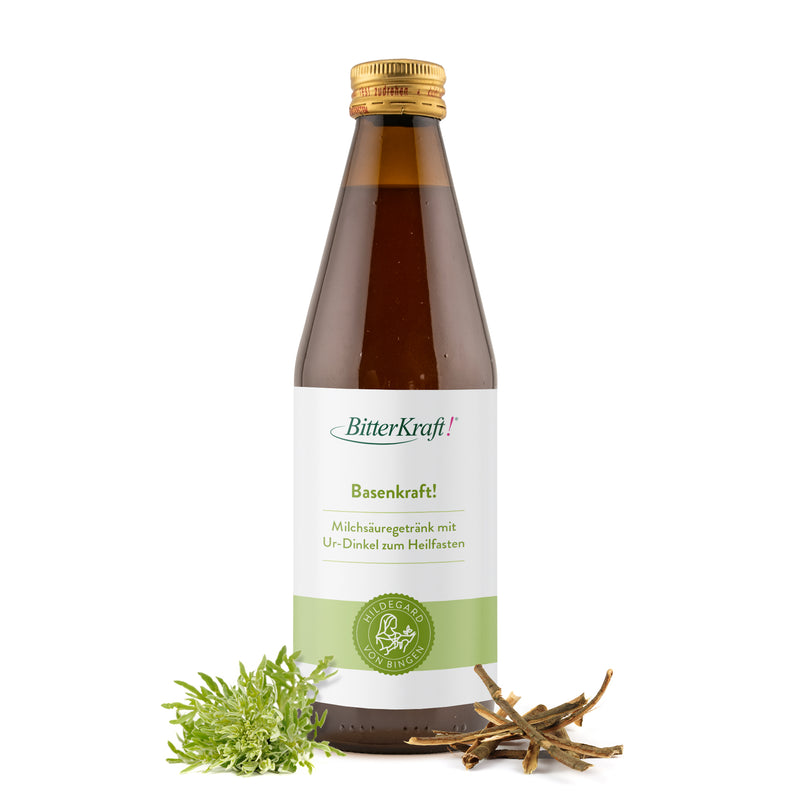
Hildegards Tipp:
- Erstklassiges Milchsäuregetränk zum Fasten
- Rezeptur auf Basis von 800 Jahren Klosterwissen
- Bitterkraft – der Pionier seit 1996 von 4.000 Heilpraktikern verwendet!
- Beste Naturheilkunde: Bio & vegan
Süßholz: Das aromatische Süßungsmittel
Süßholz fasziniert uns Menschen seit Jahrtausenden. Als Heilpflanze findet Süßholz in der Kräuterkunde Verwendung, als Lakritze in der Küche. Darüber hinaus weist Süßholz eine Bandbreite weiterer Eigenschaften auf, die seine Bedeutung in der Pflanzenwelt und menschlichen Geschichte untermalen.
Vorkommen von Süßholz außerhalb der Lakritzefabriken
Süßholz raspeln bezeichnet gemeinhin, etwas schönzureden. Aus der Süßholzwurzel gewinnen wir die ungemein beliebte Süßigkeit Lakritze. Seine wertvollen Inhaltsstoffe machen das Gewächs aber auch zu einer interessanten Heilpflanze.
Echtes Süßholz (Glycyrrhiza glabra) ist rund um das Mittelmeer bis nach Westasien hinein heimisch. Dabei entpuppt sich die Pflanzenart als echter Sonnenliebhaber. In der Sonne mag sie es am liebsten, aber gut geschützt vor Wind. Echtes Süßholz kann in Sumpfgebieten Russlands aufwachsen, ebenso wie in trockenen Gebieten Chinas oder des Nahen Ostens.
Bis sich die ersten Süßholzwurzeln ernten lassen, vergehen allerdings etwa drei Jahre. Dann sind die Wurzeln kräftig genug für die Weiterverarbeitung. Das typische Anbauland von Echtem Süßholz erstreckt sich im Nahen Osten.
Süßholz gehört zu den Familien der Schmetterlingsblütler und Hülsenfrüchtler, ebenso wie etwa Bohnen, Erbsen und Erdnüsse. Bei diesen Pflanzen steht der Samen im Vordergrund: Beim Süßholz sind es die Wurzeln.
Inhaltsstoffe von Süßholz
Süßholzwurzeln liefern nicht nur den Extrakt, aus dem die Lakritze entsteht (dazu später mehr). Die Wurzeln sind auch jener Bestandteil, der die arzneilichen Wirkungen verantwortet. Die entscheidenden Inhaltsstoffe der Süßholzwurzel stellen Triterpensaponine dar, vor allem in Form von Glycyrrhizin. Dieser Stoff ist 50-mal süßer als Zucker und für die außergewöhnliche Süße der Lakritze verantwortlich. Bis zu 15 % Glycyrrhizin können in den Wurzeln enthalten sein.
Außerdem sind die Wurzeln reich an Flavonoiden und Cumarinen, welche u. a. die gelbe Verfärbung der Wurzeln bedingen. Insgesamt sollen bis zu 400 unterschiedliche Inhaltsstoffe in Süßholz vorkommen.
Wie wird aus Süßholz Lakritze?
Lakritze wird durch das Eindicken des Süßholzwurzelsaftes gewonnen. Zuerst kocht man die Süßholzwurzeln mit Wasser und presst sie aus. Nach dem Filtervorgang kann man auch mit Dampf arbeiten. Es entsteht ein aromatischer Sud, der traditionell als Heilmittel eingesetzt wird. Gibt man zum Sud jedoch folgende Zutaten, entsteht leckere Lakritze:
- Mehl
- Geliermittel
- Aromen
- Zucker
Wirkweisen von Süßholz: Linderung für Magen und Darm
Als Heilpflanze bietet Echtes Süßholz ein breites Wirkspektrum. So sollen die Inhaltsstoffe entzündungshemmende Effekte verursachen und die Bildung von Magensäure reduzieren, wobei diese Wirkweisen nicht abschließend geklärt sind. Dennoch wird Echtes Süßholz inzwischen zur Gastritis-Therapie verwendet. Besonders ist, dass die entzündungshemmende Wirkung nicht durch eine Hemmung der Prostaglandinbiosynthese erfolgt, sondern anscheinend durch eine Bewegung der Leukozyten (weißen Blutkörperchen) zum Entzündungsort. Dieser Wirkmechanismus ist medizinisch höchst interessant.
Auch eine antivirale und antiulzerogene Wirkweise wird vermutet. Die Süßholzwurzel soll außerdem in der Lage sein, in den Atemwegen gesammelten Schleim zu verflüssigen (auswurffördernd). Erkältungen mit Husten lassen sich auf diese Weise lindern, auch hierzulande werden Arzneimitteltees mit Süßholzwurzel verschrieben. Am häufigsten findet Süßholzwurzel also bei Magenbeschwerden wie Gastritis und bei Beschwerden der Atemwege Verwendung.
Getrocknet und zerkleinert oder gerieben lässt sich aus der Süßholzwurzel und ihren Trieben ein Tee zubereiten. Ein kalter Aufguss ist ebenfalls möglich.
Schon in der Antike kannten und nutzten die Menschen die Pflanze als Heilmittel. Heute gehen viele Studien den Wirkmechanismen des Süßholzes genau auf den Grund. Das medizinisch wirksame Potenzial der Süßholzwurzel würdigte der Titel „Arzneipflanze des Jahres”, der ihr 2012 verliehen wurde.
In Europa findet die Süßholzwurzel hauptsächlich in Arzneitees gegen Erkältungen oder Magenbeschwerden Verwendung. Vielfältiger sind die Einsatzbereiche in der Traditionellen Chinesischen Medizin. Hier werden ätherische Öle der Süßholzwurzel eingesetzt, ebenso wie getrocknete Süßholzwurzeln, Pflanzenextrakte und dergleichen. Sie helfen bspw. gegen Entzündungen und zur Immunregulation.
Medizinisch anerkannte Anwendungsbereiche
Damit ein gewisser Wirkstoff in der Schulmedizin eingesetzt werden darf, muss durch großangelegte Studien ausgiebig die Wirksamkeit und Harmlosigkeit eines Präparats nachgewiesen werden. Ein Mittel kann also (angedeutete) Wirkweisen haben, ohne offiziell eine therapeutische Indikation aufzuweisen.
Der Gebrauch von Süßholz wurde in folgenden Fällen medizinisch anerkannt:
- Gastritis (Entzündung der Magenschleimhaut)
- Magen- und Zwölffingerdarmgeschwüre
- Husten und Bronchialkatarrh
Eine kleinere Studie, welche nicht für eine therapeutische Indikation ausreicht, verweist auf eine entzündungshemmende Wirkung bei Hautekzemen. In der Erfahrungsheilkunde setzt man Präparate mit Süßholzwurzel auch gegen Sodbrennen ein. Es besteht darüber hinaus der leichte Verdacht, dass Süßholzwurzel in den Wechseljahren helfen könnte.
Bitte beachten Sie die Grenzen der Selbstmedikation und setzen Sie Süßholzwurzeln immer nur in Absprache mit ärztlichen Fachkräften oder Therapeuten ein. Insbesondere wenn Sie Medikamente einnehmen, könnte der Gebrauch von Süßholzwurzeln Wechselwirkungen nach sich ziehen.
Der industrielle Gebrauch von Süßholzwurzeln
Die Süßholzwurzel wird nicht nur wegen ihrer Eigenschaften als Heilpflanze eingesetzt. In der Industrie setzt man häufig auf Süßholzwurzeln, um den Geschmack aufzubessern. Das enthaltene Glycyrrhizin hat eine 50-fach höhere Süßkraft als Haushaltszucker. Es wird darum gewissen Lebensmitteln beigesetzt, damit diese süßer schmecken. Tees werden häufig durch Süßholzwurzel ohne Zucker gesüßt.
Zahlreiche Tabakhersteller fügen ihrem Tabak Süßholzwurzel hinzu, damit der Rauch angenehmer und süßlicher schmeckt. In der Tiernahrung finden Bestandteile der Süßholzwurzeln als Zusatzstoffe für Futter Verwendung.
Nicht zuletzt nutzt die Kosmetikbranche die Vorteile der Süßholzwurzel: Aufgrund ihrer entzündungshemmenden und vermutlich hautaufhellenden Eigenschaften lässt sich Süßholzwurzel in einigen Cremes und Lotions vorfinden.
Die faszinierende Geschichte von Süßholzwurzeln: Von Ayurveda nach Babylonien
Kaum eine Heilpflanze weist eine derart traditionsreiche und langwierige Geschichte wie das Süßholz auf. So wird die Süßholzwurzel bereits im ältesten Werk der Traditionellen Chinesischen Medizin aufgegriffen: dem Shennong ben cao jing. Heute zählt das Mittel in China zu den 10 wichtigsten Naturheilmitteln.
Weitere traditionelle medizinische Richtungen wie die indische Ayurveda-Medizin oder die traditionelle japanische oder persische Medizin kannten lange Jahrhunderte die Süßholzwurzel als Heilmittel.
Auch im europäischen Raum sorgt die Süßholzwurzel seit langer Zeit für Linderung. In babylonischen und altägyptischen Quellen findet das Süßholz etwa bereits als Heilpflanze Erwähnung. In Mitteleuropa und insbesondere Nordeuropa verbreitete sich Süßholz erst später. Dennoch verweist bspw. Hildegard von Bingen höchstpersönlich auf gewisse Wirkweisen der Süßholzwurzeln. Heute ist Süßholz als Süßigkeit besonders weit in Nordeuropa verbreitet, also dort, wo es erst recht spät ankam.
Aussehen von Süßholz
Die mehrjährige, winterharte Staude kann bis zu zwei Meter hoch werden. Die Stängel treiben jedes Jahr neu aus. Die Blüten leuchten von hellem Violett bis zu Weiß. Die Süßholzwurzel entwickelt sich als lange Pfahlwurzel, die sich im Laufe der Zeit weit verzweigt und verholzt.
Achtung: Nicht zu viel Süßholzwurzel einnehmen!
Die Süßholzwurzel wird zwar schon lange als Heilpflanze eingesetzt, dennoch sollte sie nicht übermäßig konsumiert werden. Der hohe Gehalt an Glycyrrhizin kann bei übermäßiger Einnahme den Blutdruck erhöhen und den Blutzuckerspiegel aus dem Gleichgewicht bringen. Auch scheint es Auswirkungen auf den Kaliumhaushalt zu haben.
Menschen mit Nierenproblemen, Diabetes oder erhöhten Blutdruck sowie Schwangere sollten also auf den Konsum von Süßholzwurzel verzichten oder zuvor Rücksprache mit ihrem Arzt halten.
Süßholz im eigenen Garten selber pflanzen
Süßholz ist recht pflegeleicht, wenn Sie einmal den richtigen Ort ausgesucht haben. Pflanzen sollten Sie Süßholz im Frühjahr. Setzen Sie die Pflanzen nicht zu dicht, mit einem Abstand von ca. 50 cm zueinander. Als Boden ist ein tiefgründiger, humusreicher und durchlässiger Boden ideal, der in voller Sonne steht. Bauerngärten und Kräutergärten eignen sich hervorragend. Die Pflanze muss nur leicht feucht gehalten werden und kann ab dem vierten oder dritten Jahr geerntet werden.
Wollen Sie selbst eine Tinktur mit Süßholzwurzel anfertigen, geben Sie 50 g der zerkleinerten Wurzeln in ein verschließbares Glas. Hinzu kommen etwa 200 Milliliter einer Spirituose mit min. 40 % Alkohol. Stellen Sie das Glas drei Wochen lang an einen warmen Ort und schütteln Sie es regelmäßig.
Unterhaltsame Fakten über Süßholz
Wie bei vielen Pflanzen kommt es auch beim Süßholz auf die Dosis an. In zu hohen Mengen können die Inhaltsstoffe körpereigene Hormone beeinflussen. Bei Diabetes, Bluthochdruck, Nierenleiden sowie in der Schwangerschaft und Stillzeit wird generell vom Genuss abgeraten.
Übrigens: Das Sprichwort „Süßholz raspeln” stammt daher, dass man für einen Arzneimitteltee zur Hustenstillung oder dergleichen früher Süßholz in den Tee der kranken Person geraspelt hat, was natürlich als schmeichelnde Geste aufgefasst wurde.
Und zum Abschluss: Wussten Sie, dass Napoleon wohl jederzeit einen Beutel mit Süßholzwurzelpulver mit sich geführt hat? Hiermit soll er seine Gastritis therapiert haben, womit auch der französische Herrscher von den Wirkweisen dieser Wurzeln Bescheid wusste.
Süßholz: Häufig gestellte Fragen
Gibt es Allergien oder Unverträglichkeiten gegenüber Süßholz?
Es gibt an und für sich keine Allergie gegen Süßholz. Leiden Sie jedoch bspw. an einer Histaminintoleranz, dürfen Sie kein Süßholz einnahmen, da hier Histamin enthalten ist.
Warum ist in jedem Tee Süßholz enthalten?
Zahlreiche Tees enthalten Süßholz, um für natürliche Süße ohne Zucker zu sorgen. Gewisse Inhaltsstoffe sind bis zu 50-mal süßer als Zucker und eignen sich folglich bestens für den Einsatz im Tee.
Was ist Süßholz?
Süßholz ist die Pflanze, die hinter der Süßigkeit Lakritze steckt. Sie gehört zur Unterfamilie der Schmetterlingsblütler in der Familie der Hülsenfrüchtler. Seit Jahrhunderten bis Jahrtausenden kocht man daraus Tees für verschiedene Zwecke. Aus den Wurzeln der Echten Süßholz fertigt man zudem Lakritze an.
Wo wächst Süßholz?
Echtes Süßholz ist sehr weitverbreitet. Im gesamten Mittelmeerraum ist sie vorzufinden, darüber hinaus auch in Gebieten wie China und sogar Russland. Dass Süßholz ein echter Alleskönner ist, erkennt man daran, dass es sowohl in trockenen Gebieten wie Sumpfgebieten bestens gedeihen kann. Probieren Sie es also gerne aus, Süßholz auch in Ihrem Garten anzubauen. Tipps und Tricks dazu finden Sie weiter oben.

Über den Autor Henrik Aulbach
Weitere Artikel

Magenbitterstoffe vor dem Essen: Warum die Reihenfolge entscheidend ist
Magenbitterstoffe vor dem Essen » Nach Hildegard von Bingen ✓ Ohne Zusatzstoffe ✓ Made in Germany – Jetzt mehr erfahren

Bitterstoffreiche Smoothies: Grüne Rezepte für den Verdauungsstart am Morgen
Bitterstoff-Smoothies für den Morgen » Nach Hildegard von Bingen ✓ Vegan ✓ Ohne Zusatzstoffe – Jetzt Rezepte entdecken!
Hildegard von Bingens Dinkelrezepte für eine gesunde Verdauung
Hildegard von Bingens Dinkelrezepte » Nach Hildegard von Bingen ✓ Ohne Zusatzstoffe ✓ Biozertifiziert – Jetzt entdecken