

Henrik Aulbach ist erfahrener Gesundheitsredakteur mit über 10 Jahren Erfahrung, Experte für pflanzliche Wirkstoffe und Kultivierung, Co-Gründer, Buchautor und selbstständiger Fachtexter im Gesundheitswesen seit 2020.
Erfahren Sie hier mehr über diesen Autor.

Spitzwegerich: Wirkung, Anwendung und Dosierung
Vorkommen von Spitzwegerich
Der unscheinbare Spitzwegerich (Plantago lanceolata), auch Heilwegerich, Ackerkraut oder Schafzunge genannt, zählt, wie sein Name bereits sagt, zu den Wegerichgew...

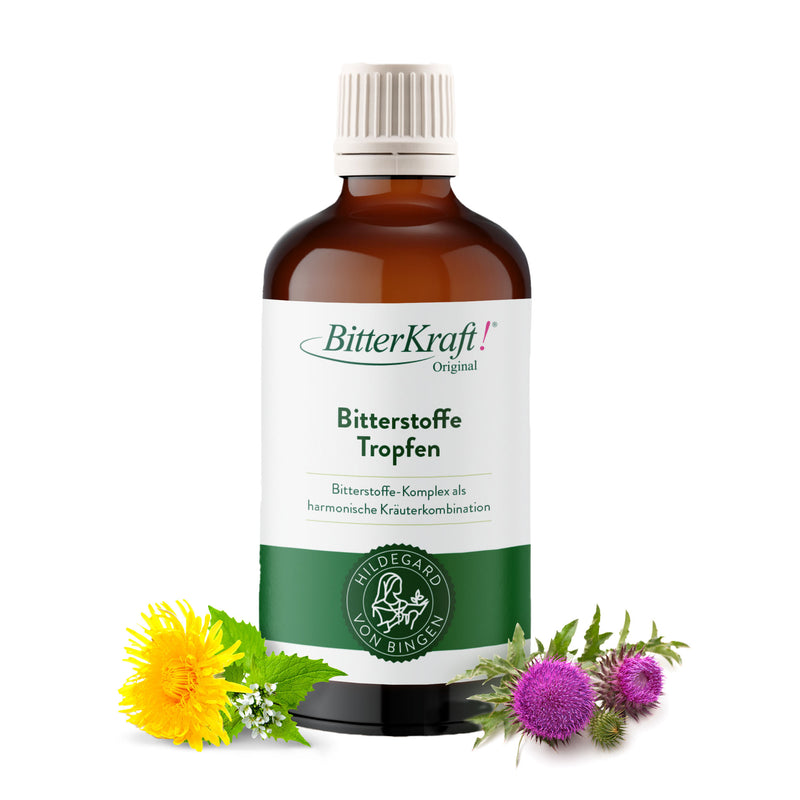
Hildegards Tipp:
- Wertvolle Bitterstoffe nach Hildegard Von Bingen
- Rezeptur auf Basis von 800 Jahren Klosterwissen
- Bitterkraft – der Pionier seit 1996 von 4.000 Heilpraktikern verwendet!
- Beste Naturheilkunde: Bio & vegan
Vorkommen von Spitzwegerich
Der unscheinbare Spitzwegerich (Plantago lanceolata), auch Heilwegerich, Ackerkraut oder Schafzunge genannt, zählt, wie sein Name bereits sagt, zu den Wegerichgewächsen. Ursprünglich hat er es sich ausschließlich in Europa gemütlich gemacht, mittlerweile ist der unauffällige Weggefährte überall auf der Welt anzutreffen.
Dort, wo es warm und sonnig ist, fühlt er sich wohl. Seinen Boden bevorzugt er tiefgründig und tendenziell trocken. Insgesamt ist der Spitzwegerich ein anspruchsloser Geselle. Sie können ihn im Sommer zurückschneiden, um so den Trieb frischer Blätter für die Ernte anzukurbeln.
Wirkweise von Spitzwegerich
Einer seiner alten nordischen Namen lautet Läkeblad, was sich mit Heilblatt übersetzen lässt – und auf seine Verwendung hindeutet. Schon in der Antike schwor der griechische Arzt Dioskurides auf die Wirkung des Spitzwegerichs. Später fand er Einzug in unsere Klostergärten und begeisterte Hildegard von Bingen.
In der Naturheilkunde setzen wir ihn als Unterstützung bei Husten und entzündlichen Vorgängen im Mund- und Rachenraum ein. Auch äußerlich darf er bei kleinen Wunden und Entzündungen der Haut helfen, sei es durch Insektenstiche oder Neurodermitis.
Der Spitzwegerich ist darüber hinaus essbar. Wer sich gern Wildkräutersalat zubereitet, darf hier gern zugreifen.
Inhaltsstoffe von Spitzwegerich
Im Spitzwegerich tummeln sich Schleim- und Gerbstoffe, Iridoidglykoside, Kieselsäure und Saponin. Vor allem die beiden zuerst genannten Wirkstoffe sind von zentraler Bedeutung.
Aussehen von Spitzwegerich
Der Spitzwegerich ist ein unscheinbares Kraut, das mit wenig Nährstoffen nur fünf Zentimeter hoch wächst, mit vielen wiederum mehr als einen halben Meter in die Höhe schießt. Die langen, schmalen Blätter entstehen dicht am Boden in einer lockeren Rosette. Am oberen Ende des gefurchten, kantigen Stängels erscheinen zwischen Mai und September bräunliche Blütenähren. Staubfäden ragen daraus hervor, dazu entwickeln sich weiße Staubbeutel.
Wissenswertes über Spitzwegerich
Für Salate und Suppen verwenden Sie die ersten Blatttriebe im Frühjahr. Der Spitzwegerich sollte da noch keine Samen ausgebildet haben. Wenn Sie die Blätter trocknen möchten, dann sammeln Sie sie zwischen Mai und September.
Übrigens: Die Samen des Spitzwegerichs tragen den Namen „Deutscher Flohsamen“ und können ebenso getrocknet und verwendet werden. Sie wirken sich ähnlich wie Leinsamen auf die Verdauung aus.

Über den Autor Henrik Aulbach
Weitere Artikel
Magenbitterstoffe vor dem Essen: Warum die Reihenfolge entscheidend ist
Magenbitterstoffe vor dem Essen » Nach Hildegard von Bingen ✓ Ohne Zusatzstoffe ✓ Made in Germany – Jetzt mehr erfahren

Bitterstoffreiche Smoothies: Grüne Rezepte für den Verdauungsstart am Morgen
Bitterstoff-Smoothies für den Morgen » Nach Hildegard von Bingen ✓ Vegan ✓ Ohne Zusatzstoffe – Jetzt Rezepte entdecken!
Hildegard von Bingens Dinkelrezepte für eine gesunde Verdauung
Hildegard von Bingens Dinkelrezepte » Nach Hildegard von Bingen ✓ Ohne Zusatzstoffe ✓ Biozertifiziert – Jetzt entdecken