

Henrik Aulbach ist erfahrener Gesundheitsredakteur mit über 10 Jahren Erfahrung, Experte für pflanzliche Wirkstoffe und Kultivierung, Co-Gründer, Buchautor und selbstständiger Fachtexter im Gesundheitswesen seit 2020.
Erfahren Sie hier mehr über diesen Autor.

Rosenwurz in der Klostermedizin
Rosenwurz: Die Heilpflanze der Wikinger
Rosenwurz wird als Mittel gegen zahlreiche Beschwerden angepriesen. Bekannt ist es u. a. wegen skandinavischen Wikin...

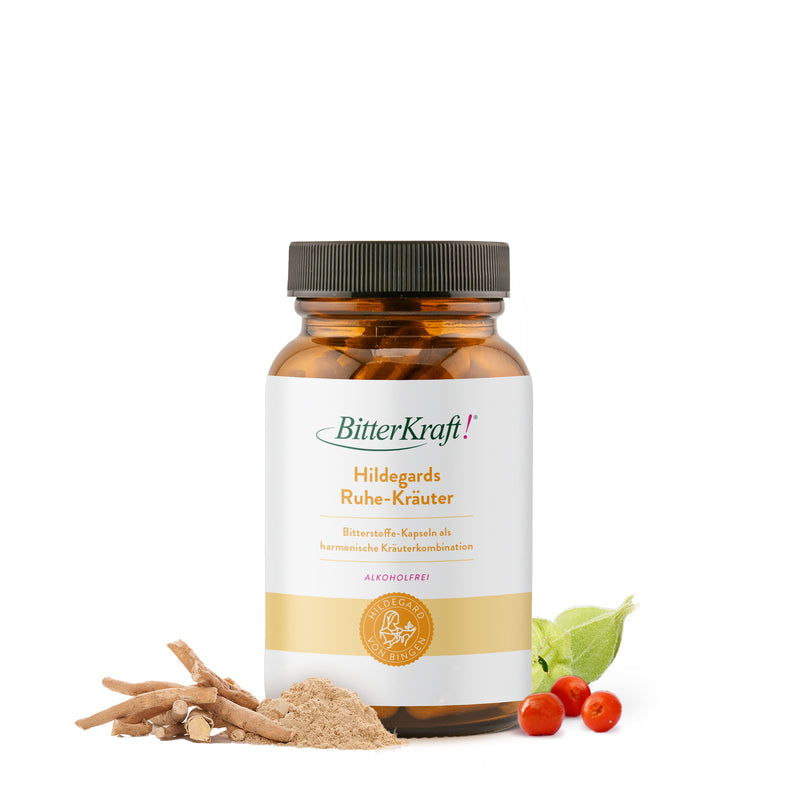
Hildegards Tipp:
- Anti-Stress Komplex mit BIO Schlafbeere (Ashwaganda) und Rosenwurz
- Rezeptur auf Basis von 800 Jahren Klosterwissen
- Bitterkraft – der Pionier seit 1996 von 4.000 Heilpraktikern verwendet!
- Beste Naturheilkunde: Bio & vegan
Rosenwurz: Die Heilpflanze der Wikinger
Rosenwurz wird als Mittel gegen zahlreiche Beschwerden angepriesen. Bekannt ist es u. a. wegen skandinavischen Wikingern, die Rosenwurz für ihre Vitalität und gegen Infektionen einnahmen. Heute sagt man dem Rosenwurz nach, es solle gegen Müdigkeit, Stress und Depressionen helfen können. Wir schauen uns diese Behauptungen im Detail an und machen uns die Bedeutung der Rosenwurz klar.
Vorkommen der Rosenwurz
Die Rosenwurz (Rhodiola rosea) ist ein Dickblattgewächs, das die Kälte liebt. Die winterharte Pflanze stammt ursprünglich aus den arktischen Gebieten der nördlichen Hemisphäre Sie fühlt sich hauptsächlich auf Silikatgestein wohl, kann sich aber auch mit Moorböden, feuchten Wiesen oder trockenen Sandböden arrangieren.
Wenn Sie Rosenwurz im heimischen Garten anpflanzen möchten, wählen Sie unbedingt einen Platz in der prallen Sonne. Denn die alpine Pflanze ist eine freie Höhenlage mit maximalem Zugang zum UV-Licht gewohnt. Ein lockerer Boden ohne Kalk und mit mäßigem Nährstoffgehalt lässt sie gut gedeihen.
Wirkweise der Rosenwurz - Des Wikingers Kampfkraut
Die Wirkung der Rosenwurz wussten schon die Wikinger zu schätzen, die die Pflanze für ihr Immunsystem einnahmen. Im Baltikum, in Skandinavien und in Russland zählt sie noch immer zu den altbewährten Heilpflanzen der Volksmedizin und soll die Denkleistung unterstützen. So langsam entdecken auch wir sie wieder. Rosenwurz soll adaptogen wirken, hat also den Ruf einer Anti-Stress-Pflanze, ähnlich wie Ginseng und die Taigawurzel.
Wenn Sie Rosenwurz kaufen möchten, erhalten Sie sie entweder als Monopräparat oder häufig in Kombination mit B-Vitaminen und Magnesium. Rosenwurzextrakte können Ihre mentale Leistungsfähigkeit positiv beeinflussen, die Stimmung heben und Ihnen Energie schenken
Die Stimmungshebung führt man in einigen Untersuchungen darauf zurück, dass Rosenwurz den Serotoninspiegel im Gehirn ansteigen lassen könnte. Serotonin ist als eines der wenigen menschlichen Glückshormone bekannt. Die Studien, welche die mentale Leistungsfähigkeit nachzuweisen meinen, weisen leider Fehler auf und sind mit kleinen Versuchsgruppen durchgeführt worden. Gleiches gilt für Studien, welche die Rosenwurz auf positive Effekte in Bezug auf die Gewichtsabnahme oder dergleichen untersucht haben. Der Hauptmangel liegt in der zu geringen Teilnehmerzahl.
Inhaltsstoffe der Rosenwurz
Als Hauptwirkstoffe werden folgende Verbindungen genannt:
Salidrosid
Rosavin
Sie zählen zu den phenolischen Glykosiden, die in Rosenwurz enthalten sind und wohl für seine Eigenschaften verantwortlich. Auch Flavonoide machen einen Teil der Rosenwurz aus, ebenso wie Terpenoide, Proanthocyanidine oder organische Säuren.
Vorsichtsmaßnahmen bei der Einnahme von Rosenwurz
Als pflanzliche Präparate sind Zubereitungen mit Rosenwurz meistens gut verträglich. Nebenwirkungen treten nur sehr selten auf. Beobachtet hat man in Studien Symptome wie die folgenden:
- Kopfschmerze
- Schlaflosigkeit
- Schwindel
- Erhöhter Blutdruck
- Verdauungsprobleme
Da die Studien jedoch eine minderwertige Qualität aufweisen, sind auch diese Nebenwirkungen nicht in Stein gemeißelt.
Schwangere und stillende Mütter sowie Kinder und Jugendliche unter 18 Jahren sollten vom Gebrauch der Rosenwurz absehen. Auch bei psychischen Begebenheiten wie einer Manie sollte von der Einnahme der Rosenwurz abgesehen werden. Gewisse Medikamente könnten mit der Rosenwurz wechselwirken, weshalb Sie bei der Einnahme von Medikamenten Rücksprache mit Ihrem Arzt halten sollten.Die jahrtausendealte Tradition der Rosenwurz
Die Rosenwurz hat eine faszinierende Geschichte, welche uns einmal durch die wichtigsten und bekanntesten Kulturen der Menschheitsgeschichte bringt. Erste Überlieferungen stammen aus der Antike Hier wurde die Rosenwurz bereits als Heilpflanze geschätzt und kultiviert. Am anderen Ende der Welt, in der ayurvedischen sowie der Traditionellen Chinesischen Medizin findet die Rosenwurz ebenfalls Verwendung. In diesen Breitengraden jedoch eher als Adaptogen, um die Widerstandskraft zu erhöhen.
Richtig an Bekanntheit gewonnen hat die Rosenwurz durch skandinavische Wikinger, welche das Kraut mit auf ihre Raubzüge quer durch die Welt nahmen. Man nimmt an, dass durch die Rosenwurz die Vitalität der Wikinger gesteigert werden konnte, ebenso wie ihre Widerstandskraft auf hoher See.
Im Mittelalter war die Rosenwurz in Europa und dem Baltikum anfangs noch weit verbreitet. Mit der Zeit geriet das Kraut jedoch immer mehr in Vergessenheit. Heute liegt es an Naturheilkundlern, die Rosenwurz wieder populär zu machen.
Die lange Tradition dieser Heilpflanze zeigt uns jedenfalls, dass wir Menschen schon lange Nutzen aus der Rosenwurz ziehen.
Aussehen von Rosenwurz
In die Höhe wächst Rosenwurz zwischen 5 und 30 Zentimetern, in der Breite bis zu 20 Zentimeter. Dicke Rhizome bilden ein verzweigtes Sprosssystem. Die ovalen, graugrünen Blätter rangieren von breit bis schmal und werden bis zu vier Zentimeter lang. An aufrechten Blütenstengeln erblühen im Frühsommer kleine, halbkugelförmige Trugdolgen mit rosafarbenen Blütenknospen. Im Mai bis Juli öffnen sich Letztere zu leuchtend gelben Blüten
Rosenwurz im eigenen Garten pflanze
Immer mehr Menschen wollen einen eigenen Garten mit Kräutern und Heilpflanzen. Die Rosenwurz kann auch von Gärtnern kultiviert werden, die keinen grünen Daumen haben.
Vorab brauchen Sie den richtigen Standort. Suchen Sie einen sonnigen Fleck aus, der tiefgründigen, lockeren und lehmhaltigen Boden aufweist. Im Frühjahr (Bodentemperatur ca. 10° C) werden die Samen ausgesät, in einem Abstand von 30 cm zueinander Gießen Sie die Pflanzen regelmäßig, jedoch nicht zu stark. Wollen Sie lieber im Kübel pflanzen, brauchen Sie einen möglichst tiefen Kübel mit einem Kompost-Kies-Substrat.
Im Steingarten oder Alpengarten kann die Rosenwurz als Bodendecker eingesetzt werden. Den Winter übersteht die Rosenwurz meistens ohne Probleme, im Freiland ist sogar ein Winterschutz unnötig.
Die Rosenwurz ist wissenschaftlich als Rhodiola rosea bekannt. Andere Trivialnamen sind Goldene Wurzel oder Arktische Wurzel, weil dieses Kraut auch in arktischen Gebieten heimisch ist. Sie kann Kälte extrem gut ausstehen, ebenso wie starkes UV-Licht in alpinen Lagen. Damit lebt die Rosenwurz selbst bereits höchste Vitalität und Widerstandskraft aus.
Ihr Name leitet sich von den griechischen Begriffen „rhodon” für Roseund„ion” für ähnlichab. Damit wird Bezug auf die Wurzeln genommen, welche wie Rosen duften. Die Artbezeichnung „rosea” spielt auf die rosa Blüten an.
Unterhaltsame Fakten über Rosenwurz
Obwohl die Rosenwurz gar kein Rosengewächs ist, taufte Carl von Linné sie auf ihren Namen – denn ihr Wurzelstock duftet nach Rose.
Rosenwurz: Häufig gestellte Fragen
Wieso heißt Rosenwurz so, obwohl sie nicht mit Rosen verwandt ist?
Der Name leitet sich daher ab, dass die Wurzeln nach Rosen riechen(Rhodiola) und dass dieBlüten rosa sind(rosea). Auf eine Verwandtschaft mit Rosen spielt der Name also prinzipiell nicht an.
Welche aktiven Inhaltsstoffe sind in Rosenwurz enthalten?
Die höchste Dichte an Inhaltsstoffen hat die Rosenwurz in ihren Wurzeln, weshalb diese naturheilkundlich eingesetzt werden. Die wichtigsten aktiven Inhaltsstoffe sind Flavonoide (pflanzliche Farbstoffe), organische Säuren, phenolische Glykoside (bspw. Rosavine, Salidrosid und Tyrosol) und Tannine.
Gibt es wissenschaftliche Studien, welche die Wirkung von Rosenwurz unterstützen?
Es gibt prinzipiell Studien, welche die Wirkung von Rosenwurz nachzuweisen meinen
Problematisch sind an diesen Studien jedoch ihre Mängel.
So ist oft etwa die Teilnehmerzahl zu klein, die Methodik nicht einwandfrei oder die Studie wurde bspw. nicht placebokontrolliert, randomisiert und dergleichen. Darum sind die Studien mit Vorsicht zu betrachten und weitere Untersuchungen sind durchzuführen.
Kann es Nebenwirkungen und Wechselwirkungen durch die Einnahme von Rosenwurz geben?
Ja, die kann es geben. Von Nebenwirkungen wurde bereits in Studien berichtet, wobei man diese Studien, wie bereits erwähnt, mit Vorsicht genießen muss. Wechselwirkungen sind prinzipiell noch keine bekannt, es liegt jedoch nahe, dass Rosenwurz mit gewissen Wirkstoffen und Enzymen wechselwirken könnte.
Ist Rosenwurz für Veganer und Vegetarier geeignet?
Wenn Sie das richtige Präparat aussuchen, ja natürlich. Manche Kapseln bestehen aus tierischer Gelatine, womit das Präparat nicht mehr vegan bzw. vegetarisch ist. Wenn Sie Fertigpräparate einnehmen wollen, greifen Sie bestenfalls zu Kapseln, die lediglich den Pflanzenextrakt und das Material für die Kapselhülle enthalten. Füllstoffe wie Talkum, Titandioxid oder Magnesiumstearat weisen auf minderwertige Präparate hin.
Gibt es unterschiedliche Arten von Rosenwurz mit unterschiedlichen Wirkungen?
Ja, die gibt es tatsächlich. Bei uns ist die Rhodiola rosea am besten bekannt. In Asien und insbesondere im Himalaya ist die Rhodiola crenulatabeheimatet. Sie wird etwa in der TCM sowie der tibetischen Medizin eingesetzt. Wie die Rhodiola rosea bezeichnet man auch diese Variante als Adaptogen. In den wahrlich kalten arktischen Regionen Eurasiens ist die Rhodiola algidabeheimatet. Diese widersteht selbst härtesten Bedingungen und wird darum ggf. zur Stärkung der Vitalität eingenommen. Die Rhodiola imbricata ist eine weitere Variante aus dem Himalaya-Gebirge.
Wo kann man hochwertige Produkte mit Rosenwurz kaufen?
Dafür fragen Sie am besten einen Naturheilpraktiker setzen sich mit der Naturheilkunde auseinander und beraten ihre Patienten, gerne auch ohne auf die Schulmedizin Bezug zu nehmen. Da also Naturheilpraktiker den ganzen Tag mit naturheilkundlichen Präparaten arbeiten, können Sie sich hier den Rat einholen.

Über den Autor Henrik Aulbach
Weitere Artikel

Magenbitterstoffe vor dem Essen: Warum die Reihenfolge entscheidend ist
Magenbitterstoffe vor dem Essen » Nach Hildegard von Bingen ✓ Ohne Zusatzstoffe ✓ Made in Germany – Jetzt mehr erfahren

Bitterstoffreiche Smoothies: Grüne Rezepte für den Verdauungsstart am Morgen
Bitterstoff-Smoothies für den Morgen » Nach Hildegard von Bingen ✓ Vegan ✓ Ohne Zusatzstoffe – Jetzt Rezepte entdecken!
Hildegard von Bingens Dinkelrezepte für eine gesunde Verdauung
Hildegard von Bingens Dinkelrezepte » Nach Hildegard von Bingen ✓ Ohne Zusatzstoffe ✓ Biozertifiziert – Jetzt entdecken