

Henrik Aulbach ist erfahrener Gesundheitsredakteur mit über 10 Jahren Erfahrung, Experte für pflanzliche Wirkstoffe und Kultivierung, Co-Gründer, Buchautor und selbstständiger Fachtexter im Gesundheitswesen seit 2020.
Erfahren Sie hier mehr über diesen Autor.

Ringelblume in der Klostermedizin
Vorkommen
Bei der Ringelblume (Calendula officinalis) handelt es sich um eine Pflanzenart der Korbblütler-Familie (Asteraceae). Als Heilpflanze wird die Ringelblume schon lange einge...

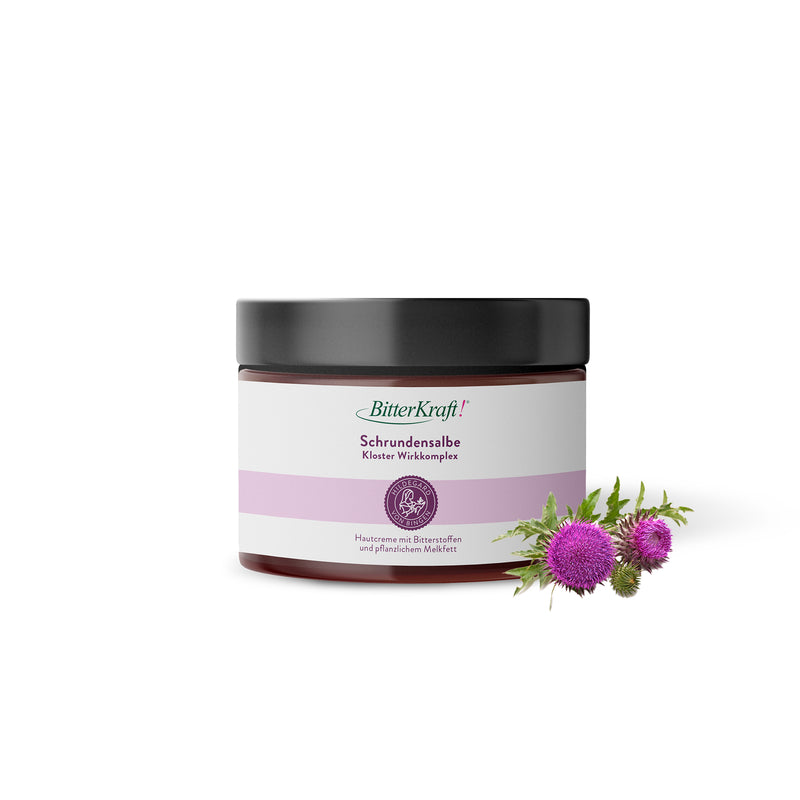
Hildegards Tipp:
- Pflegende Salbe für raue und rissige Haut
- Rezeptur auf Basis von 800 Jahren Klosterwissen
- Bitterkraft – der Pionier seit 1996 von 4.000 Heilpraktikern verwendet!
- Beste Naturheilkunde: Bio & vegan
Vorkommen
Bei der Ringelblume (Calendula officinalis) handelt es sich um eine Pflanzenart der Korbblütler-Familie (Asteraceae). Als Heilpflanze wird die Ringelblume schon lange eingesetzt, weshalb auch heute noch viele auf bestimmte Pflanzenteile der Ringelblume setzen.
Wo die Pflanze ursprünglich herkommt, ist bis heute unbekannt. Vermutlich hat sie ihren Ursprung in der Mittelmeerregion. Inzwischen findet sie sich in ganz Europa, sowohl kultiviert als auch als Wildpflanze. Die Ringelblume ist genügsam und stellt wenig Ansprüche an ihren Untergrund. Zum Gedeihen bevorzugt sie Schutt und nährstoffreiche Lockerböden.
Inhaltsstoffe
Flavonoide machen die wichtigsten Inhaltsstoffe der Ringelblume aus, vor allem Quercetin- und Isorhamnetinglycoside. Sie sind mit einer Konzentration von bis zu einem Prozent enthalten. Flavonoide sind grob gesprochen die Farbstoffe von Pflanzen. Manche Ärzte empfehlen darum etwa, dass man die eigene Ernährung möglichst reich mit Flavonoiden gestalten sollte.
Ätherische Öle finden sich zwar ebenfalls in dem Korbblütler, allerdings mit einem recht geringen Gehalt, weshalb auch entsprechende Präparate schwer zu finden sind.
Polysaccharide (größere Zucker bzw. Kohlenhydrate) sind mit bis zu 15 % Anteil noch recht gut vertreten. Interessant wird es erst recht bei den Achänen (Früchte der Ringelblume). Diese enthalten bis zu 25 % Fett, wobei die seltene Fettsäure Calendulasäure einen Großteil davon ausmachen kann.
Wirkweise
Als Kulturpflanzegehörte die Ringelblume in Europa schon lange zum Erscheinungsbild. Doch erst im Mittelalter machte Hildegard von Bingen auf ihre wohltuenden Eigenschaften aufmerksam. In der Physica beschrieb die Universalgelehrte eine Pflanze, die bei Verdauungsproblemen unterstützend wirkt und Entzündungen unterschiedlicher Art abheilen lässt – die Ringula. Damit war die Ringelblume gemeint.
Heute ist offiziell vonseiten der EU aufgrund mangelnder Studien eine medizinische Wirkung nicht ausreichend belegt. Da sie jedoch eine derart lange Tradition hat, wird sie als nicht-gesundheitsschädigend eingestuft, wodurch sie weiter konsumiert werden kann. Eingesetzt wird die Ringelblume in der Industrie für Farbstoffe, Teemischungen und eben als Heilpflanze.
Innerlich angewendet, soll die Ringula bei Menstruations- sowie bei Magen- und Darmbeschwerden Besserung bringen. Dazu zupfen Sie sich ein paar Ringelblumen-Blüten ab und bereiten sich daraus einen Tee oder eine Tinktur.
Weitaus verbreiteter ist die äußerliche Anwendung der Heilpflanze. Die Ringelblume hilft, schlecht heilende Wunden zu schließen, hemmt Entzündungen und wirkt viruzid, fungizid und antimikrobiell. In Wundheilsalben ist sie ein häufiger Inhaltsstoff.
Aussehen
Typisch für die einjährige Ringelblume sind ihre wie Sonnenstrahlen angeordneten Blütenblätter. Ihr Aussehen hat ihr im Volksmund auch den Namen Goldblume eingebracht.
Wenn zwischen Juni und Oktober die Sonne aufgeht, bietet die Ringelblume ein faszinierendes Schauspiel. Pünktlich zum Sonnenaufgang öffnet sie ihre Blüten, die in zahlreichen Gelbtönen erstrahlen – von Dottergelb bis Orangegelb. Und wenn die Sonne am Abend immer weiter den Horizont entlang wandert, schließen sich die Blütenblätter langsam wieder. Bei Regen zeigt sie sich während der Blütezeit überhaupt nicht in ihrer vollen Pracht.
Ringelblume: Häufig gestellte Fragen
Für was ist Ringelblume gut?
Wie oben bereits erwähnt, kann man sich durch die Ringelblume ernähren. Ihre Früchte enthalten recht viel Fett und die Pflanze an und für sich viele Polysaccharide. Der Geschmack soll jedoch ziemlich bitter und pfeffrig sein.
Am häufigsten eingesetzt wird die Ringelblume als Tinktur bei äußerlichen Beschwerden, Hildegard von Bingen setzte sie bspw. bei Wunden und Entzündungen ein.
Nehmen Sie ein Präparat mit Ringelblume oral ein, kann das ggf. bei Menstruations- und Magenschmerzen helfen. Wie jedoch bereits erwähnt, ist vonseiten der EU keine medizinische Wirkung ausreichend belegt.
In der Industrie wird die Ringelblume bspw. als schmückendes Kraut Tees beigefügt oder zur besseren Farbgebung bei Käse eingesetzt. Die meisten Menschen kaufen Ringelblume heute auch in Form von Tees.
Ist die Ringelblume und Calendula das Gleiche?
Ja. Der Begriff der Ringelblume ist der deutsche Name für die Calendula officinalis. Sie können also gerne die Begriffe Ringelblume und Calendula als Synonyme für einander verwenden. Sie können zudem die Unterschiede beider genau ergründen, indem Sie sich Arnika und Ringelblume kaufen - Im Doppelpaket.
Ist Arnika gleich Ringelblume?
Die Arnika (Arnica montana) ist eine andere Blume. Gemeinsam hat sie mit der Ringelblume, dass beide zur Familie der Korbblütler gehören, sie sind also entfernte Verwandte. Aufgrund ähnlicher Einsatzgebiete werden die Arnika und Ringelblume jedoch oft simultan eingesetzt.
Die Ringelblume, welche Hildegard von Bingen noch Ringella nannte, wurde insbesondere zur Wundheilung eingesetzt. Daraus ließe sich ableiten, dass die Calendula ggf. entzündungshemmend, abschwellend und antimikrobiell wirken könnte. Für denselben Zweck wird jedenfalls schon seit Jahrhunderten die Arnika eingesetzt. Manche bezeichnen die Ringelblume als eine mildere Form der Arnika, weil Letztere ggf. besser helfen könnte.
Wann setzt man Ringelblumen ein?
Meistens wird ein Tee aus Ringelblumen bei Menstruationsbeschwerden oder Bauchschmerzen getrunken. Abgesehen davon hat man früher gerne mit Mullbinden, welche in Ringelblumenextrakt getränkt waren, Wunden versorgt. Auch heute noch tragen viele Menschen Ringelblumentinkturen auf, wenn sie kleinere Verletzungen oder Entzündungen haben.
Ist die Ringelblume ein Wetterorakel?
Ringelblume Wetterorakel: Nicht selten kriegt man dieses Stichwort zu hören. Das liegt daran, dass sich die Ringelblume morgens öffnet. Dabei achtet sie genau auf die Wetterlage: Öffnen sich die Blüten noch vor 7 Uhr, wird der Tag höchstwahrscheinlich sehr warm und sonnig. Sind die Blüten jedoch nach besagter Uhrzeit noch zu, achten sie auf das Ringelblumen-Wetterorakel: Der Tag wird vermutlich bewölkt oder gar regnerisch.

Über den Autor Henrik Aulbach
Weitere Artikel
Magenbitterstoffe vor dem Essen: Warum die Reihenfolge entscheidend ist
Magenbitterstoffe vor dem Essen » Nach Hildegard von Bingen ✓ Ohne Zusatzstoffe ✓ Made in Germany – Jetzt mehr erfahren
Bitterstoffreiche Smoothies: Grüne Rezepte für den Verdauungsstart am Morgen
Bitterstoff-Smoothies für den Morgen » Nach Hildegard von Bingen ✓ Vegan ✓ Ohne Zusatzstoffe – Jetzt Rezepte entdecken!
Hildegard von Bingens Dinkelrezepte für eine gesunde Verdauung
Hildegard von Bingens Dinkelrezepte » Nach Hildegard von Bingen ✓ Ohne Zusatzstoffe ✓ Biozertifiziert – Jetzt entdecken