

Henrik Aulbach ist erfahrener Gesundheitsredakteur mit über 10 Jahren Erfahrung, Experte für pflanzliche Wirkstoffe und Kultivierung, Co-Gründer, Buchautor und selbstständiger Fachtexter im Gesundheitswesen seit 2020.
Erfahren Sie hier mehr über diesen Autor.

Pappelknospen in der Klostermedizin
Vorkommen von Pappelknospen
Pappeln (Populus) stellen eine Pflanzengattung innerhalb der Familie der Weidengewächse dar. Die mehr als 40 Arten finden sich rund um den Globus in gemäß...

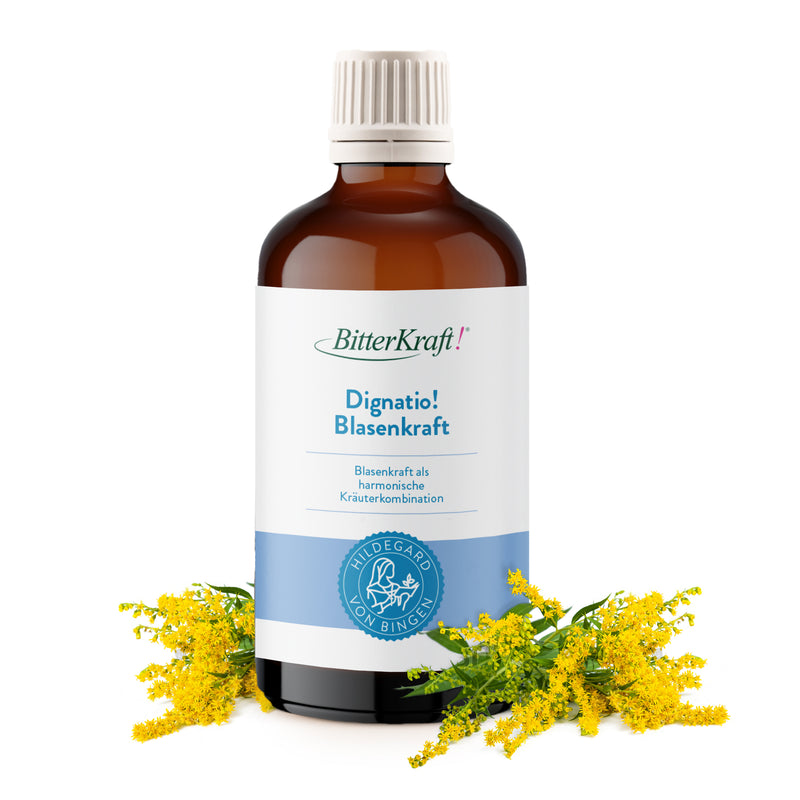
Hildegards Tipp:
- Nahrungsergänzungsmittel für eine normale Blasenfunktion mit Goldrute & Salbei
- Rezeptur auf Basis von 800 Jahren Klosterwissen
- Bitterkraft – der Pionier seit 1996 von 4.000 Heilpraktikern verwendet!
- Beste Naturheilkunde: Bio & vegan
Vorkommen von Pappelknospen
Pappeln (Populus) stellen eine Pflanzengattung innerhalb der Familie der Weidengewächse dar. Die mehr als 40 Arten finden sich rund um den Globus in gemäßigten Klimazonen. Zu den bekanntesten Vertretern gehören hierzulande die Schwarzpappel (Populus nigra) und die Silberpappel (Populus alba), deren Knospen bereits in der Antike zu Heilzwecken genutzt wurden. Erstere ist allerdings immer seltener in reinerbiger Form anzutreffen, weil durch die Begradigung der Flüsse wichtige Lebensräume der Pappel verschwinden und Hybride sich immer stärker durchsetzen.
Pappeln siedeln sich am liebsten an feuchten Standorten an. Wie die verwandten Weiden wachsen sie bevorzugt an Bach- und Flussläufen, wo sie selbst gelegentlichen Überschwemmungen trotzen.
Inhaltsstoffe von Pappelknospen
Pappelknospen enthalten Populin, Salicin, ätherisches Öl, Gerbsäure, Gallussäure und Harz als Inhaltsstoffe.
Wirkweise von Pappelknospen
Das Salicin produzieren Pappeln, um sich vor Fressfeinden wie Insekten zu schützen. Im Menschen wirkt es entzündungshemmend und schmerzlindernd, ähnlich wie Aspirin. Auch antibakterielle und wundheilungsfördernde Eigenschaften soll der Inhaltsstoff aufweisen. Die Heilwirkungen der Pappelknospen machten sich die Menschen schon in der Antike zunutze und verwendeten sie zur Behandlung von Entzündungen aller Art. Hildegard von Bingen riet bei oberflächlichen Verletzungen und Hämorriden zu einem Sud aus Pappelknospen und -rinde.
Erste Studien legen auch einen Effekt bei Gelenk- und Rheumaschmerzen nahe. Erfrierungen und Sonnenbrand sollen sich mit Pappelknospen ebenfalls gut lindern lassen. Für diese äußerlichen Anwendungen lässt sich aus Pappelknospen ein Tee für Waschungen oder Bäder beziehungsweise eine entsprechende Popolium-Salbe zubereiten.
Innerlich angewendet, sollen Pappelknospen als Tee Entzündungen bekämpfen. In der traditionellen Heilkunde wurden sie auch bei Blaseninfektionen sowie bei Erkältungen und Fieber eingesetzt.
Aussehen von Pappelknospen
Kein anderer Baum schießt in unseren heimischen Breiten so schnell in die Höhe wie die Pappel. Zwischen 30 und 45 Meter reckt sich das sommergrüne Gewächs nach oben. Die Schwarzpappel bildet eine ausladende Krone aus mit am Rand gezähnten Blättern.
Im Frühjahr wachsen an den Spitzen und den Zweigen des Baumes die Pappelknospen, aus denen sich die jungen Blätter entwickeln. Die Knospen setzen sich aus mehreren Schuppenblättern zusammen. Sie duften stark balsamisch und sind von einem klebrigen Harz umhüllt. Zum Sammeln für Heilzwecke eignen sich Pappelknospen, solange sie noch geschlossen sind.
Wissenswertes über Pappelknospen
Das Harz, das die Pappelknospen überzieht, sammeln auch Bienen und verarbeiten es zu Propolis, dem Kittharz, mit dem sie ihre Bienenstöcke abdichten.

Über den Autor Henrik Aulbach
Weitere Artikel
Magenbitterstoffe vor dem Essen: Warum die Reihenfolge entscheidend ist
Magenbitterstoffe vor dem Essen » Nach Hildegard von Bingen ✓ Ohne Zusatzstoffe ✓ Made in Germany – Jetzt mehr erfahren

Bitterstoffreiche Smoothies: Grüne Rezepte für den Verdauungsstart am Morgen
Bitterstoff-Smoothies für den Morgen » Nach Hildegard von Bingen ✓ Vegan ✓ Ohne Zusatzstoffe – Jetzt Rezepte entdecken!
Hildegard von Bingens Dinkelrezepte für eine gesunde Verdauung
Hildegard von Bingens Dinkelrezepte » Nach Hildegard von Bingen ✓ Ohne Zusatzstoffe ✓ Biozertifiziert – Jetzt entdecken