

Henrik Aulbach ist erfahrener Gesundheitsredakteur mit über 10 Jahren Erfahrung, Experte für pflanzliche Wirkstoffe und Kultivierung, Co-Gründer, Buchautor und selbstständiger Fachtexter im Gesundheitswesen seit 2020.
Erfahren Sie hier mehr über diesen Autor.

Lauch – Heilwirkung und Anwendung
Vorkommen von Lauch
Mit dem Begriff Lauch ist Porree (Allium porrum) gemeint – eine zweijährige krautige Pflanze, die wir in erster Linie als vielseitiges Ge...

Hildegards Tipp:
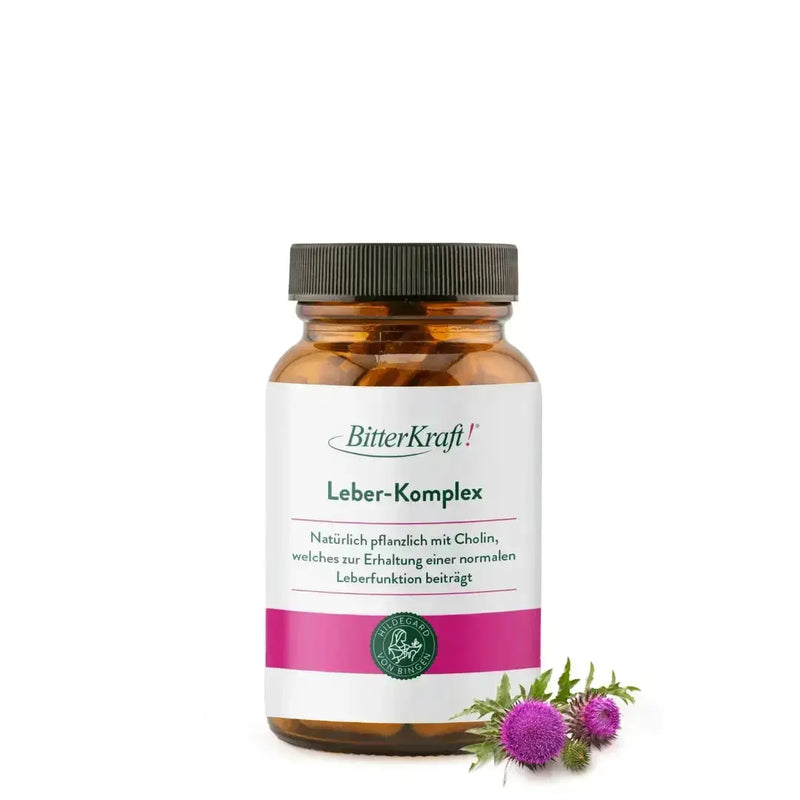
- Natürlich & Pflanzlich mit Mariendistel
- Rezeptur auf Basis von 800 Jahren Klosterwissen
- Bitterkraft – der Pionier seit 1996 von 4.000 Heilpraktikern verwendet!
- Beste Naturheilkunde: Bio & vegan
Vorkommen von Lauch
Mit dem Begriff Lauch ist Porree (Allium porrum) gemeint – eine zweijährige krautige Pflanze, die wir in erster Linie als vielseitiges Gemüse kennen. Deshalb sehen wir gemeinhin Lauch als gesund an. Dabei diente er viele Jahrhunderte ebenfalls als Heilpflanze, diese Nutzung ist mittlerweile allerdings schon fast in Vergessenheit geraten.
Lauch bildet eine spezielle Kulturform des Ackerlauchs, der vor allem im westlichen Mittelmeerraum vorkommt. Schon die Alten Ägypter bauten ihn dort 2000 vor Christi an. Im Laufe der Jahrhunderte verbreite er sich auch in Nord- und Mitteleuropa. Nach Deutschland fand die lange Zeit fast nur als Porree bekannte Pflanze wahrscheinlich im Mittelalter. Im Garten fühlt sich die Lauchpflanze an sonnigen bis halbschattigen Standorten wohl. Sowohl mit Hitze als auch Kälte kann Lauch umgehen. Obwohl er ein typisches Wintergemüse darstellt, ist Porree das ganze Jahr über frisch im Supermarkt erhältlich.
Wirkweise von Lauch
Als Gemüse, wie wir die Pflanze hierzulande hauptsächlich verwenden, ist Lauch gesund und lässt sich auf viele verschiedene Arten zubereiten. Gekocht, gebraten, gedünstet sowie gebacken und gegrillt, findet Porree den Weg auf unsere Teller. Aber auch als Salat und Gewürz eignet er sich wegen seines zwiebelartigen Geschmacks.
Seine vielen Inhaltsstoffe machen Lauch so gesund. Früher wurde er sogar als Heilpflanze geschätzt und war ein Bestandteil traditioneller Medizin. Heute widmet sich die Forschung in erster Linie seinen Verwandten Knoblauch und Zwiebeln. Dabei kann der Lauch ebenfalls mit gesunden Wirkweisen aufwarten: Herz-Kreislauf-Erkrankungen soll er vorbeugen, die Nierentätigkeit anregen und die Verdauung fördern. Eine entschlackende Wirkung wird ihm ebenfalls nachgesagt. Auch bei Bronchialerkrankungen soll Lauch beim Gesund-Werden helfen.
Inhaltsstoffe von Lauch
Porree enthält viele Vitamine, Mineralien wie Magnesium und Kalium sowie Spurenelemente wie Eisen Vor allem als gern genutzter Vitamin-C-Lieferant ist Lauch sehr gesund. Folsäure, Ballaststoffe und Eiweiß hat er ebenso zu bieten. Für die verdauungsfördernde Wirkung soll sein schwefelhaltiges ätherisches Öl verantwortlich sein. Dabei zeichnet er sich insbesondere durch seinen Gehalt an Polyphenol und des Flavonoids Kaempferol aus.
Aussehen von Lauch
Lauch besteht aus einem weißen Schaft, der in lange, hell- bis blaugrüne Blätter übergeht, die miteinander verwachsen sind. Anders als die wild wachsende Pflanze bildet der Garten-Vertreter keine Wurzel aus. Allerdings besitzt er ein dichtes Wurzelwerk.

Über den Autor Henrik Aulbach
Weitere Artikel
Magenbitterstoffe vor dem Essen: Warum die Reihenfolge entscheidend ist
Magenbitterstoffe vor dem Essen » Nach Hildegard von Bingen ✓ Ohne Zusatzstoffe ✓ Made in Germany – Jetzt mehr erfahren

Bitterstoffreiche Smoothies: Grüne Rezepte für den Verdauungsstart am Morgen
Bitterstoff-Smoothies für den Morgen » Nach Hildegard von Bingen ✓ Vegan ✓ Ohne Zusatzstoffe – Jetzt Rezepte entdecken!
Hildegard von Bingens Dinkelrezepte für eine gesunde Verdauung
Hildegard von Bingens Dinkelrezepte » Nach Hildegard von Bingen ✓ Ohne Zusatzstoffe ✓ Biozertifiziert – Jetzt entdecken