

Henrik Aulbach ist erfahrener Gesundheitsredakteur mit über 10 Jahren Erfahrung, Experte für pflanzliche Wirkstoffe und Kultivierung, Co-Gründer, Buchautor und selbstständiger Fachtexter im Gesundheitswesen seit 2020.
Erfahren Sie hier mehr über diesen Autor.

Kamille pflanzen in der Klostermedizin
So gelingt Ihnen das Pflanzen von Kamille im eigenen Garten!
Als Heilpflanze bietet Kamille ein breites Wirkspektrum. Leider ist der Korbblütler immer seltener als Wildkraut in der freien Natur anzutreffen. Daher ist es eine gute Alternative, im eigenen Garten oder auf dem Balkon selbst Kamille zu pflanzen.

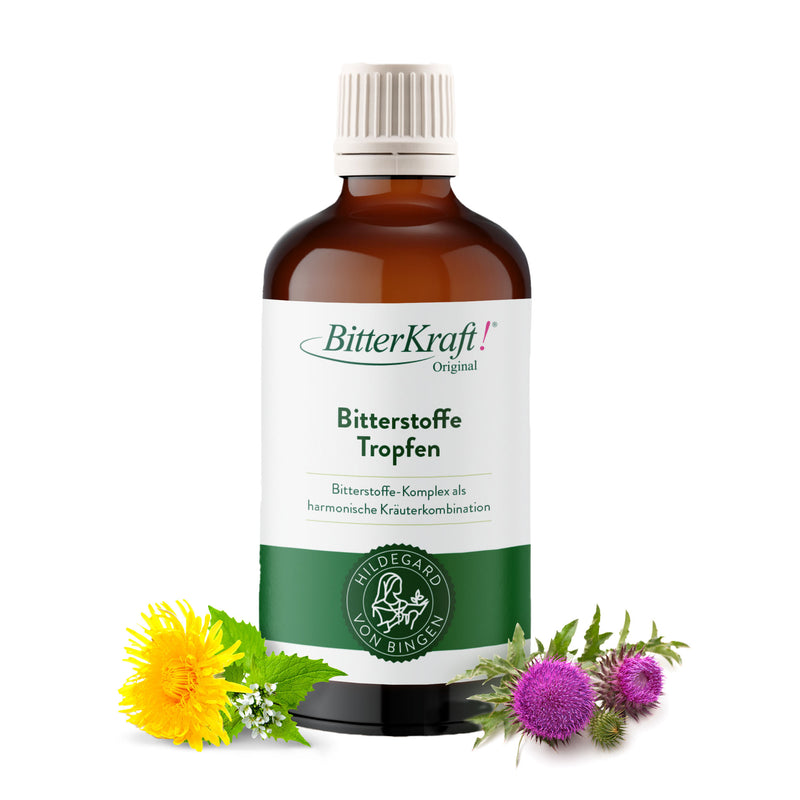
Hildegards Tipp:
- Wertvolle Bitterstoffe nach Hildegard Von Bingen
- Rezeptur auf Basis von 800 Jahren Klosterwissen
- Bitterkraft – der Pionier seit 1996 von 4.000 Heilpraktikern verwendet!
- Beste Naturheilkunde: Bio & vegan
Standort
Echte Kamille ist recht anspruchslos und eignet sich dadurch perfekt für den Anbau. Das gelingt sowohl im Garten als auch im Topf auf dem Balkon. Kamille pflanzen Sie am besten an einem sonnigen Standort. Mit guter Pflege genügt dem einjährigen Kraut aber auch ein Standort mit weniger Sonne.
Mehr Ansprüche hat Echte Kamille an den Boden. Sie liebt es lehmig bis sandig. Wenn Sie Kamille pflanzen, sollten Sie einen humosen Untergrund wählen, der einen pH-Wert zwischen 6,8 und 8 aufweist. Sie können Kompost zugeben, der Pflanze genügt aber auch nährstoffarmer Boden.
Aussaat
Echte Kamille wird zur Aussaat im Frühling direkt ins Freie gebracht. Warten Sie jedoch den letzten Frost ab, denn die jungen Pflänzchen sind sehr frostempfindlich. Der beste Zeitpunkt, um Kamille zu pflanzen, ist Mitte Mai. Alternativ können Sie das Kraut auch im Haus in einem Topf aussäen und vorziehen. Kamille ist ein Lichtkeimer und darf deshalb nicht mit dem Substrat bedeckt werden. Drücken Sie die Samen nur leicht auf der Erde fest. Ein bis zwei Wochen später beginnen die Samen bereits zu keimen.
Pflege
Bei der Pflege zeigt sich Echte Kamille recht anspruchslos. Regelmäßiges Gießen ist natürlich Pflicht. Aber zu viel Wasser braucht es zum Kamille-Pflanzen nicht, denn das Kraut verabscheut Staunässe. Und auf zu feuchten Böden geht Kamille häufig ein. Düngen ist nicht nötig.
Ernte
Kamille ernten Sie am besten inmitten der Blüte: Die Blütenköpfe haben sich bereits vollständig geöffnet, sind aber noch nicht verblüht. Schneiden Sie die Pflanze am Stiel ab, kurz unterhalb des Blütenstandes, und sammeln Sie die Köpfchen ab. Die Blütezeit der Pflanze reicht von Mitte Mai bis September, die Ernte fällt meist auf die Zeit im Juni und Juli.
Wenn Sie Kamille pflanzen, lohnt es sich, die Pflanze nach der Blüte etwas zurückzuschneiden, um das Wachstum neuer Triebe zu fördern.

Über den Autor Henrik Aulbach
Weitere Artikel
Magenbitterstoffe vor dem Essen: Warum die Reihenfolge entscheidend ist
Magenbitterstoffe vor dem Essen » Nach Hildegard von Bingen ✓ Ohne Zusatzstoffe ✓ Made in Germany – Jetzt mehr erfahren
Bitterstoffreiche Smoothies: Grüne Rezepte für den Verdauungsstart am Morgen
Bitterstoff-Smoothies für den Morgen » Nach Hildegard von Bingen ✓ Vegan ✓ Ohne Zusatzstoffe – Jetzt Rezepte entdecken!
Hildegard von Bingens Dinkelrezepte für eine gesunde Verdauung
Hildegard von Bingens Dinkelrezepte » Nach Hildegard von Bingen ✓ Ohne Zusatzstoffe ✓ Biozertifiziert – Jetzt entdecken