

Henrik Aulbach ist erfahrener Gesundheitsredakteur mit über 10 Jahren Erfahrung, Experte für pflanzliche Wirkstoffe und Kultivierung, Co-Gründer, Buchautor und selbstständiger Fachtexter im Gesundheitswesen seit 2020.
Erfahren Sie hier mehr über diesen Autor.

Heilpflanzen: Das Wichtigste im Ueberblick
Heilpflanzen bezeichnen Nutzpflanzen, die wegen ihrer positiven Eigenschaften zu Heilzwecken verwendet werden. Vor der Entwicklung der heutigen Medizin bildeten sie eine wichtige Grun...
Heilpflanzen bezeichnen Nutzpflanzen, die wegen ihrer positiven Eigenschaften zu Heilzwecken verwendet werden. Vor der Entwicklung der heutigen Medizin bildeten sie eine wichtige Grundlage der Volksmedizin. Heute erfolgt ihr Einsatz vor allem in der Heilpflanzenkunde. Außerdem ist die Wirkweise einiger Heilpflanzen inzwischen so gut erforscht, dass sie auch als medizinischer Wirkstoff in Medikamenten vorkommen.
Die Klassifikation von Pflanzen als Heilpflanzen gründet einzig und allein auf ihrer Funktion. Aus diesem Grund zählen Pflanzen unterschiedlicher botanischer Zugehörigkeit zu dieser Gruppe.

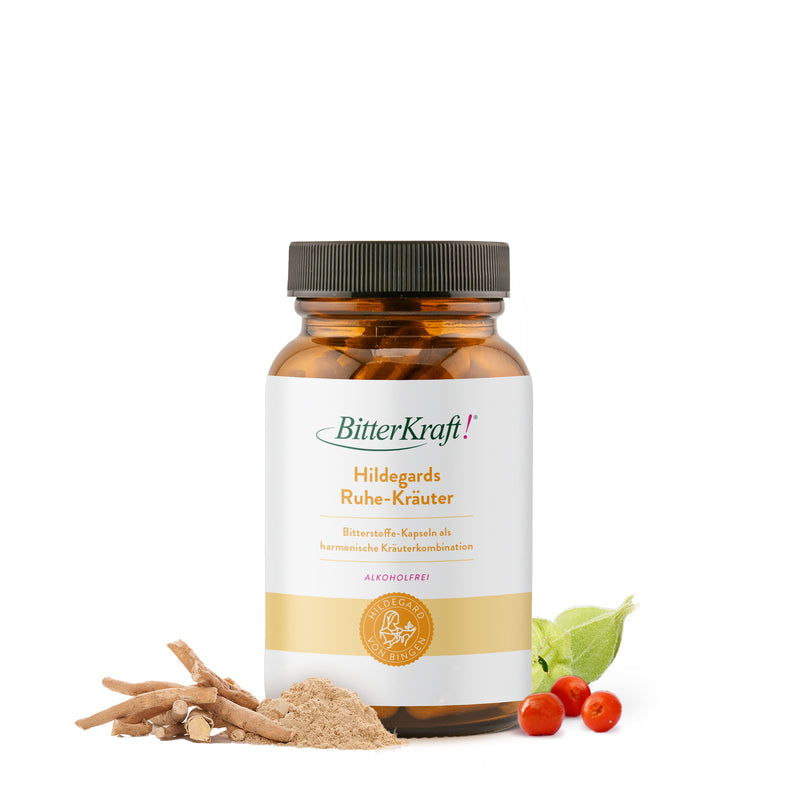
Hildegards Tipp:
- Anti-Stress Komplex mit BIO Schlafbeere (Ashwaganda) und Rosenwurz
- Rezeptur auf Basis von 800 Jahren Klosterwissen
- Bitterkraft – der Pionier seit 1996 von 4.000 Heilpraktikern verwendet!
- Beste Naturheilkunde: Bio & vegan
Einteilung in der Heilpflanzenkunde
Die Heilpflanzenkunde grenzt die Heilpflanze von anderen pflanzlichen Rohstoffen bzw. Bestandteilen und Wirkstoffen ab:
Pflanzliche Droge: Pflanzenteile, roh oder verarbeitet, aus denen Arzneimittel hergestellt werden
Phytopharmakon: Fertigarzneimittel, das auf Heilpflanzen basiert
Phytogener Arzneistoff: medizinischer Wirkstoff, der aus pflanzlichen Bestandteilen gewonnen wird
Heilpflanze: Pflanze, die sich für medizinische Zwecke nutzen lässt
Geschichte
Schon die ältesten gefundenen menschlichen Zeugnisse machen die Nutzung von Pflanzen wegen ihrer positiven Wirkung auf Gesundheit und Wohlbefinden deutlich. Daraus geht sogar der gezielte Anbau von Heilpflanzen hervor. Aus dem Altertum sind die ersten Kategorisierungen von pflanzlichen Anwendungen bekannt. Im Mittelalter konzentrierte sich die Nutzung und Kultivierung von Heilpflanzen auf Klostergärten. In ihren Werken zur Naturkunde führte die Äbtissin Hildegard von Bingen zahlreiche Pflanzen und ihre Wirkung bei der Behandlung verschiedener Krankheiten auf. Eine entscheidende Leistung von ihr bestand darin, die deutschen Namen der jeweiligen Pflanzen zu nutzen, sodass ihre Erkenntnisse bis heute nachwirken.
Heilpflanzen in Hildegard von Bingens Volksmedizin
In der Volksmedizin der Hildegard von Bingen nahmen Heilpflanzen eine wichtige Stellung ein. In ihren Werken beschäftigte sich die heute als heilig geltende Universalgelehrte mit rund 200 Pflanzen. Viele von ihnen wurden heute in ihrer medizinischen Wirksamkeit durch Studien als Heilpflanze bestätigt, andere sind bereits verschwunden und wieder andere lassen sich heute namentlich nicht mehr eindeutig zuordnen.
In ihren Abhandlungen zu den Heilkräutern macht die Äbtissin bereits darauf aufmerksam, dass gerade bei der Anwendung von Heilkräutern Vorsicht geboten sei. Denn nur in der richtigen Dosis könnten die Pflanzen ihre heilende Wirkung entfalten.
Zu den wichtigsten Heilpflanzen, die Hildegard von Bingen untersuchte, zählen unter anderem folgende:
Bertram, der laut Hildegard von Bingen bei Magen-Darm-Beschwerden und Herzerkrankungen hilft
Edelkastanie, der die Äbtissin positive Auswirkungen auf alle inneren Krankheiten des Menschen zuschrieb
Eisenkraut, das die Heilige als gutes Mittel bei Entzündungen und schlecht heilenden Wunden ansah
Galgant, den die Naturheilkundlerin bei Fieber, Husten sowie Herz- und Lungenproblemen empfahl

Über den Autor Henrik Aulbach
Weitere Artikel
Magenbitterstoffe vor dem Essen: Warum die Reihenfolge entscheidend ist
Magenbitterstoffe vor dem Essen » Nach Hildegard von Bingen ✓ Ohne Zusatzstoffe ✓ Made in Germany – Jetzt mehr erfahren
Bitterstoffreiche Smoothies: Grüne Rezepte für den Verdauungsstart am Morgen
Bitterstoff-Smoothies für den Morgen » Nach Hildegard von Bingen ✓ Vegan ✓ Ohne Zusatzstoffe – Jetzt Rezepte entdecken!
Hildegard von Bingens Dinkelrezepte für eine gesunde Verdauung
Hildegard von Bingens Dinkelrezepte » Nach Hildegard von Bingen ✓ Ohne Zusatzstoffe ✓ Biozertifiziert – Jetzt entdecken