





Henrik Aulbach is an experienced health editor with over 10 years of experience, an expert in plant-based active ingredients and cultivation, co-founder, book author, and freelance specialist writer in healthcare since 2020.
Learn more about this author here .

Cinquefoil
All about creeping cinquefoil

Hildegards Tipp:
- Valuable Bitter Substances According to Hildegard von Bingen
- A recipe based on 800 years of monastic knowledge
- Bitterkraft—the pioneer used by 4,000 naturopaths since 1996!
- The Best in Natural Medicine: Organic & Vegan
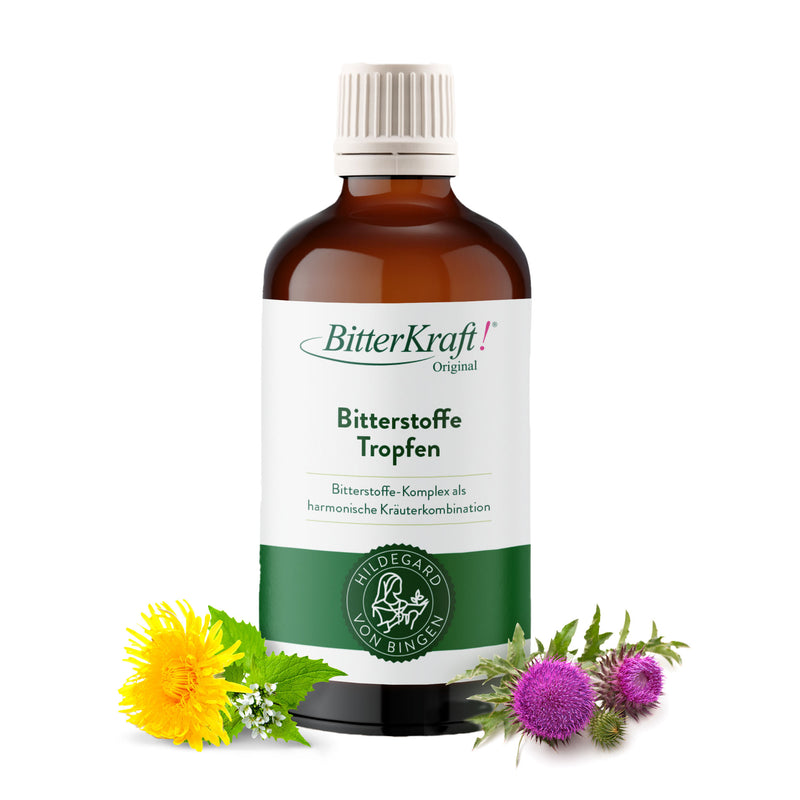
Silverweed: a treat for geese and animals
Silverweed is a favorite among animals: its name comes from the fact that geese love to nibble on it. Farmers know silverweed as a little lifesaver that can help animals with certain injuries and illnesses. The remedy has been used for thousands of years.
Occurrence of silverweed
In Central Europe, silverweed (Potentilla anserina L.) is widespread. The temperate regions of the Northern Hemisphere form its home. Meadows, fields, pastures, riverbanks, and roadside edges are extensively inhabited by this rose family plant. Nutritious soils are preferred by the herb, but silverweed also winds its way up even on rocky substrates.
Effect of silverweed as an antispasmodic herb
As a medicinal plant, silverweed is especially known as a antispasmodic herb. Its antispasmodic effect was already noted by herbal pastors Kneipp and Madaus. It mainly exerts this effect in the digestive organs and uterus. Therefore, it is often used as a herbal remedy for gastrointestinal and menstrual complaints. The calming and anti-inflammatory effects are also attributed to the medicinal plant. Chewing the root is also said to help with gum inflammation.
Silverweed is often administered as tea or dissolved in milk – the latter was probably already favored by the ancient Germans. The fatty milk improves the absorption of the active ingredients. For external use, a tincture can be prepared from the flowers, leaves, and stems of the rose family plant to treat inflamed wounds.
Traditionally, silverweed has also been used against fever. For this, the leaves were crushed and mixed with vinegar and salt. This decoction was then applied with a compress to the soles of the feet of the person with fever.
The diverse ingredients of silverweed
Tannins are among the most important ingredients of silverweed. Additionally, the following secondary plant compounds are contained:
- Bitter substances
- Mucilages
- Flavonoids
- Choline
In nutrition, the high vitamin C content of silverweed is helpful. As you can see, taking it is worthwhile.
Preparing silverweed yourself
If you want to prepare the leaves, you can simply soften them by boiling them briefly in salted water, similar to spinach. Since the leaves of silverweed are mild in flavor, they are perfect for wild herb salads or with vegetables.
The yellow flowers are excellent as edible decoration. Just for this reason alone, it’s worth growing goosefoot in the garden.
The highest concentration of secondary plant compounds is found in the roots. These are not only processed into delicious root vegetables but possibly also into preparations.
Processing goosefoot with high quality
If you want to take advantage of goosefoot’s benefits, you can generally prepare a tincture, tea, or herbal milk.
Tincture
For the tincture, finely chop the silver leaves of goosefoot and place them in a screw-top jar. Fill it with 45-percent alcohol, ideally double grain or brandy. Close the jar and place it in a warm spot, shaking it daily. After about three weeks, you can strain the tincture and pour it into a dark glass.
Tea
For tea, simply chop dried or fresh goosefoot. 3 - 5 teaspoons are poured over with 300 ml of boiling water. The tea should steep for 10 minutes. When it has cooled a bit, you can also use the tea for gargling.
Herbal milk
As mentioned above, the ancient Germans probably prepared herbal milk with goosefoot. For this, add fresh herb with milk to a pot and bring the mixture to a boil. After boiling, let the milk steep for a few minutes. The fats in the milk can now dissolve non-water-soluble plant substances.
Appearance of goosefoot
The two-stemmed perennial with feathered leaves grows only 30 centimeters tall. Runners form at the leaf axils, from which new roots grow, explaining the rapid spread. Between May and September, goosefoot blooms in bright yellow. The flowers only fully open when the sun shines. During dry periods, the herb folds its leaves to reflect more light and probably also heat.
Planting goosefoot in your own garden
Do you want to grow soothing goosefoot at home? Cultivation is relatively easy, and as a ground cover, goosefoot can easily spread in garden areas where you prefer less work.
A sunny location, which can also be partly shaded for short periods, is ideal for silverweed. A nutrient-rich, moist, and dense soil with high clay and loam content is optimal. Silverweed cannot tolerate sandy soils.
Seeds are usually sown in late summer from September to October. Sensitivity is important here because a certain temperature is necessary for seed germination. Outdoors, the sowing period is between January and March.
The plant can tolerate occasional waterlogging. It does not need fertilization outdoors, but a mineral universal fertilizer can be beneficial in the garden bed. The roots are not harvested to allow the ground cover to spread nicely. The harvest period is between May and September.
From root to preparation: Silverweed as a treasure of nature
If you grow silverweed yourself, you can use the flowers, leaves, and even roots. We recommend avoiding harvesting the roots for the first 3 years so the silverweed can establish well. During this time, you can cook or consume the leaves and flowers raw as described above.
The highest concentration of active ingredients is found in the roots. These can also be eaten raw, although most people prefer preparations due to the taste. However, chewing silverweed roots has helped some people with mouth problems. A tincture made from the roots can be taken, for example, for digestive complaints.
Entertaining facts about silverweed
In veterinary medicine, silverweed has also proven effective, for example, in treating colic in ruminants. Farmers often use the herb to treat their animals, which in turn like to eat it – that's why it often grows in pastures. Geese are also fond of silverweed. This is probably why the plant and the animal share a name.
Silverweed: Frequently Asked Questions
What is the meaning of the name silverweed?
Silverweed is called Potentilla anserina in Latin, which means "combat herb". "Potentilla" comes from "potentia" and means "power" or "strength." The German name silverweed simply comes from the fact that geese often live on the nitrate-rich soils where silverweed grows. Additionally, geese really enjoy eating silverweed. The "anserina" in Potentilla anserina also stands for "goose."
Is silverweed also suitable for children?
There are actually no findings on whether silverweed can be used for children or if it poses any risks. We clearly recommend a consultation with a doctor if you think silverweed might help your child. You should not start such treatment on your own.
What other names does silverweed have in different regions?
Besides the Latin name Potentilla anserina, there are of course other terms for the herb. The following common names exist:
- Anserina
- Gander
- Sauerkraut
- Crampweed
- Gander
- Silverweed
- Martinshand
Can silverweed be used in the kitchen?
Yes, it can! You can enjoy the leaves, flowers, and roots raw or cooked. The roots have the highest concentration of active ingredients. You can eat the leaves like spinach with meat dishes or salads. The flowers are ideal for decorative purposes.
Can silverweed be used for animals?
Silverweed is non-toxic to humans. It is also non-toxic to animals like dogs, cats, and horses. However, before giving silverweed to your pet, you should consult a veterinarian. In principle, silverweed can also help with digestive problems in your dog, for example.
How long does it take to notice first results when using silverweed?
That is very individual. While some swear by silverweed for gastrointestinal complaints, others notice nothing after use. It depends on you and your individual symptoms whether and when silverweed can provide relief.
What role does silverweed play in modern phytotherapy?
In modern phytotherapy, there are scientifically recognized uses for silverweed. Taken internally, it is used for nonspecific diarrheal diseases with cramping pain, other abdominal and pelvic pain with cramps, and menstrual complaints. It is available in forms such as dragees or tea blends.

About the author Henrik Aulbach
Weitere Artikel
Stomach bitters before eating: Why the order is crucial
Stomach bitters before meals » According to Hildegard von Bingen ✓ No additives ✓ Made in Germany – Learn more now

Bitter-rich Smoothies: Green Recipes for Starting Digestion in the Morning
Bitter Compound Smoothies for the Morning » According to Hildegard von Bingen ✓ Vegan ✓ No Additives – Discover Recipes Now!
Hildegard von Bingen's Spelt Recipes for Healthy Digestion
Hildegard von Bingen's Spelt Recipes » According to Hildegard von Bingen ✓ No Additives ✓ Organic Certified – Discover Now


