

Henrik Aulbach ist erfahrener Gesundheitsredakteur mit über 10 Jahren Erfahrung, Experte für pflanzliche Wirkstoffe und Kultivierung, Co-Gründer, Buchautor und selbstständiger Fachtexter im Gesundheitswesen seit 2020.
Erfahren Sie hier mehr über diesen Autor.

Enzianwurzel – Heilwirkung und Anwendung
Vorkommen von Enzianwurzel
Der Enzian gedeiht am liebsten hoch oben in den Bergen. In den luftigen Höhen der Gebirge fühlen sich die vielen Vertreter der Pflanzengattung am wohlsten – in den gemäßigt...

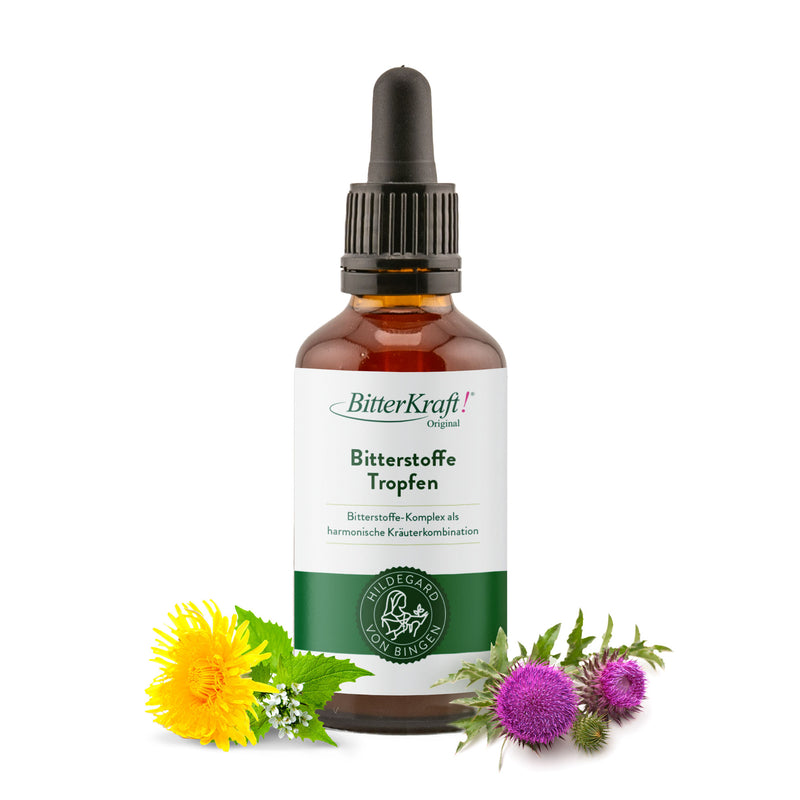
Hildegards Tipp:
- Wertvolle Bitterstoffe nach Hildegard Von Bingen
- Rezeptur auf Basis von 800 Jahren Klosterwissen
- Bitterkraft – der Pionier seit 1996 von 4.000 Heilpraktikern verwendet!
- Beste Naturheilkunde: Bio & vegan
Vorkommen von Enzianwurzel
Der Enzian gedeiht am liebsten hoch oben in den Bergen. In den luftigen Höhen der Gebirge fühlen sich die vielen Vertreter der Pflanzengattung am wohlsten – in den gemäßigten Zonen der Nordhalbkugel ebenso wie in den südamerikanischen Anden.
300 bis 400 Arten gehören den Enzianen an, die als ein- oder zweijähriges Kraut wachsen. Hierzulande stehen sie unter Naturschutz. Deshalb dürfen Sie die Pflanze weder pflücken noch die Enzianwurzel ausgraben.
Inhaltsstoffe von Enzianwurzel
Für die Heilwirkungen, für die Enziane seit dem Mittelalter verwendet werden, ist die Wurzel des zarten Pflänzchens verantwortlich. In der Enzianwurzel stecken vor allem Bitterstoffe. Die Wurzel des Gelben Enzians enthält sogar die bittersten Stoffe, die die Natur weltweit zu bieten hat: Amarogentin mit seinem bitter-herben Geschmack. Darüber hinaus erhalten Enzianwurzeln Farb- und Gerbstoffe sowie Gerbsäure, reichlich Kohlenhydrate und ätherisches Öl.
Wirkweise von Enzianwurzel
Viele Enzianarten zieren mit ihren wunderschönen Blüten zahlreiche Gärten. Einige Arten verfügen jedoch über eine Heilwirkung, ausgehend von der Enzianwurzel. Besonders der Gelbe Enzian sticht dabei als Heilpflanze hervor. Seine Bitterstoffe, die neben anderen Stoffen auch unser BitterKraft! bereichern, sollen die Verdauung ankurbeln und den Appetit anregen. Auch bei einer Erkältung sollen sich mit der Enzianwurzel gute Erfolge erzielen lassen. So enthalten schleimlösende pflanzliche Arzneimittel oftmals Enzianwurzel.
Die Einnahme der Enzianwurzel empfiehlt sich als Tee oder Tropfen. Obendrein wird die Enzianwurzel auch für die Herstellung von Schnaps genutzt, die der Spirituose die markante bitter-herbe Note verleiht.
Aussehen von Enzianwurzel
„So blau, blau, blau blüht der Enzian“, trällerte Heino 1973. Dabei besang der Schlagerstar den Echten Alpenenzian, der durch seine leuchtend blaue Farbe hervorsticht – so intensiv, wie sie in der Natur nur selten vorkommt. Der Gelbe Enzian hingegen, dessen Wurzel für die Heilkunde von Bedeutung ist, erstrahlt seinem Namen gemäß gelb. Rosa, Rot, Violett und Rot sind weitere Farben, in denen andere Enzianarten blühen. Typisch für den Enzian sind seine großen trompeten- bis trichterförmige Blätter.
Wissenswertes über Enzianwurzel
Nicht nur in Liedern wurde die Schönheit des Enzians gerühmt. Auch Bilder haben seine Blüten schon vielfach zum Thema gemacht. Seine seltene blütenreine blaue Farbe hat den Blauen Enzian zum Symbol für Treue gemacht.

Über den Autor Henrik Aulbach
Weitere Artikel
Magenbitterstoffe vor dem Essen: Warum die Reihenfolge entscheidend ist
Magenbitterstoffe vor dem Essen » Nach Hildegard von Bingen ✓ Ohne Zusatzstoffe ✓ Made in Germany – Jetzt mehr erfahren
Bitterstoffreiche Smoothies: Grüne Rezepte für den Verdauungsstart am Morgen
Bitterstoff-Smoothies für den Morgen » Nach Hildegard von Bingen ✓ Vegan ✓ Ohne Zusatzstoffe – Jetzt Rezepte entdecken!
Hildegard von Bingens Dinkelrezepte für eine gesunde Verdauung
Hildegard von Bingens Dinkelrezepte » Nach Hildegard von Bingen ✓ Ohne Zusatzstoffe ✓ Biozertifiziert – Jetzt entdecken