

Henrik Aulbach ist erfahrener Gesundheitsredakteur mit über 10 Jahren Erfahrung, Experte für pflanzliche Wirkstoffe und Kultivierung, Co-Gründer, Buchautor und selbstständiger Fachtexter im Gesundheitswesen seit 2020.
Erfahren Sie hier mehr über diesen Autor.

Brennnessel: Wirkung, Anwendung und Dosierung
Den meisten gilt sie als Unkraut. Dabei können Brennnesselblätter die Küche bereichern und bei verschiedenen Beschwerden eingesetzt werden.
Vorkommen von Brennnessel
Den meisten gilt sie als Unkraut. Dabei können Brennnesselblätter die Küche bereichern und bei verschiedenen Beschwerden eingesetzt werden.

Hildegards Tipp:
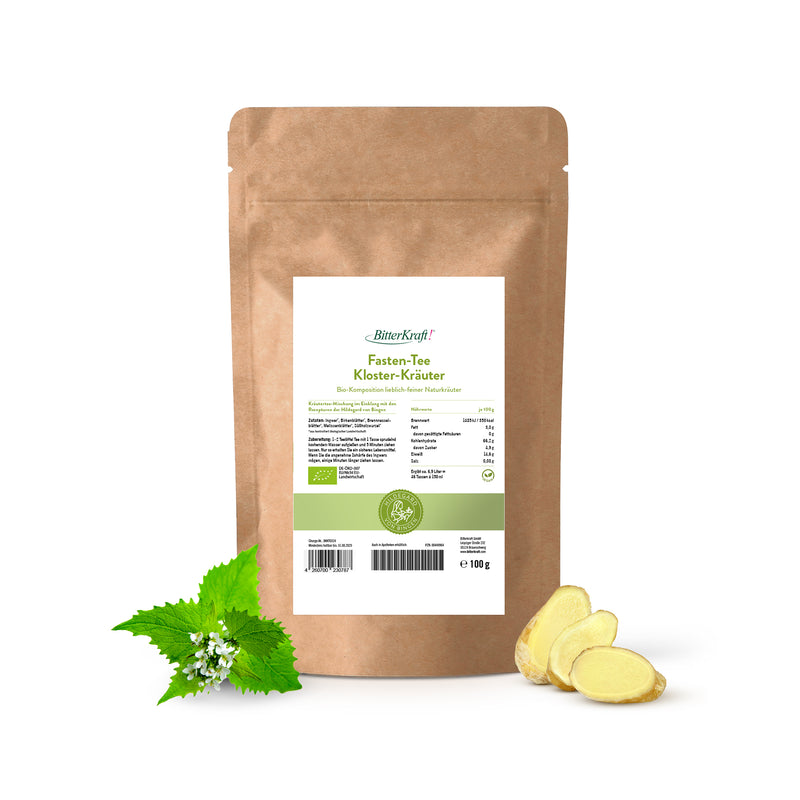
- Der ideale Kräutertee zur Fastenbegleitung
- Rezeptur auf Basis von 800 Jahren Klosterwissen
- Bitterkraft – der Pionier seit 1996 von 4.000 Heilpraktikern verwendet!
- Beste Naturheilkunde: Bio & vegan
Vorkommen von Brennnessel
Es gibt kaum einen Ort auf der Erde, an dem keine Brennnesseln (Urtica) vorkommen. Hierzulande ist vor allem die Große Brennnessel (Urtica dioica) weit verbreitet, die sich auf der gesamten Nordhalbkugel – abseits von Tropen und Arktis – heimisch fühlt. Und dort wächst die krautige Pflanze fast überall – als Stickstoffanzeiger besonders gern auf stickstoffreichen Böden. Aufgrund ihres ausgedehnten Wurzelwerkes lässt sie sich aus dem Garten nur schwer vertreiben. Brennnesselblätter besitzen aber auch so viele positive Wirkungen, dass davon ohnehin abzuraten ist.
Inhaltsstoffe von Brennnessel
Brennnesselblätter sind voller wichtiger Inhaltsstoffe wie Scopoletin und β-Sitosterin sowie Flavonoide und Silikate. Weitere Stoffe, die sich in Brennnesseln finden, sind Chlorophyll, Eisen, Folsäure, Kalium, Kieselsäure, Linolsäure, Magnesium, Phosphor und Schleimstoffe. Ihr hoher Eiweißgehalt macht Brennnesselblätter für die Ernährung, insbesondere die vegetarische und vegane, interessant. Außerdem steckt in der Pflanze mehr Vitamin C als in so mancher Zitrusfrucht. Vitamin A ist ebenfalls enthalten.
Wirkweise von Brennnessel
Brennnesseln im Garten als Unkraut anzusehen, greift viel zu kurz. Als Mulchschicht auf das Beet gegeben, führen sie den Nutzpflanzen reichlich Nährstoffe zu. Zum Düngen eignet sich die Pflanze auch gut. Ebenso gut dient die Brennnessel als biologisches Spritzmittel, das Pilzkrankheiten verhindert und Schädlinge wie Blattläuse vertreibt. Auch das Kompostieren kann sie ungemein beschleunigen.
Von den lästigen Brennhaaren befreit, lassen sich die Blätter der Brennnessel wunderbar in der Küche verarbeiten. Brennnesselblätter können Sie wie Gemüse oder Salat zubereiten, als Brennnesselspinat, zu einer Suppe kochen oder als Tee aufbrühen.
Auch in der Volksmedizin haben Brennnesselblätter eine weit zurückreichende Tradition. So galten sie lange als natürlicher Helfer gegen Gicht und Rheuma. Diese Anwendung lässt sich auf ihre schmerzlindernde und entzündungshemmende Wirkung zurückführen.
Außerdem dienen Brennnesselblätter als natürliches Entwässerungsmittel. Die enthaltenen Flavoide wirken harntreibend und tragen zur Entwässerung bei. Kündigt sich eine Blasenentzündung oder ein anderer Harnwegsinfekt an, verwenden viele Brennnesselblätter als Hausmittel.
Die Wurzeln der Brennnessel sollen dagegen Männern mit einer gutartigen Prostatavergrößerung beim Wasserlassen helfen können.
Aussehen von Brennnessel
Brennnesseln sind unscheinbare Pflanzen, die eher durch Berührung einen bleibenden Eindruck hinterlassen – in Form brennender roter Quaddeln auf der Haut. Ausgelöst werden die Schwellungen durch die Brennhaare, die sich auf der Oberseite der Brennnesselblätter befinden und das Kraut eigentlich vor Fressfeinden bewahren sollen. Die Blätter selbst sind an der Sprossachse gegenständig angeordnet und von mehreren Blattadern durchzogen.

Über den Autor Henrik Aulbach
Weitere Artikel
Magenbitterstoffe vor dem Essen: Warum die Reihenfolge entscheidend ist
Magenbitterstoffe vor dem Essen » Nach Hildegard von Bingen ✓ Ohne Zusatzstoffe ✓ Made in Germany – Jetzt mehr erfahren
Bitterstoffreiche Smoothies: Grüne Rezepte für den Verdauungsstart am Morgen
Bitterstoff-Smoothies für den Morgen » Nach Hildegard von Bingen ✓ Vegan ✓ Ohne Zusatzstoffe – Jetzt Rezepte entdecken!
Hildegard von Bingens Dinkelrezepte für eine gesunde Verdauung
Hildegard von Bingens Dinkelrezepte » Nach Hildegard von Bingen ✓ Ohne Zusatzstoffe ✓ Biozertifiziert – Jetzt entdecken