

Henrik Aulbach ist erfahrener Gesundheitsredakteur mit über 10 Jahren Erfahrung, Experte für pflanzliche Wirkstoffe und Kultivierung, Co-Gründer, Buchautor und selbstständiger Fachtexter im Gesundheitswesen seit 2020.
Erfahren Sie hier mehr über diesen Autor.

Blutwurz in der Klostermedizin
Vorkommen von Blutwurz
Blutwurz (Potentilla erecta), auch Natternwurz, Rotwurz und Tormentill genannt, ist ein Rosengewächs, das hauptsächlich in Europa verbreitet

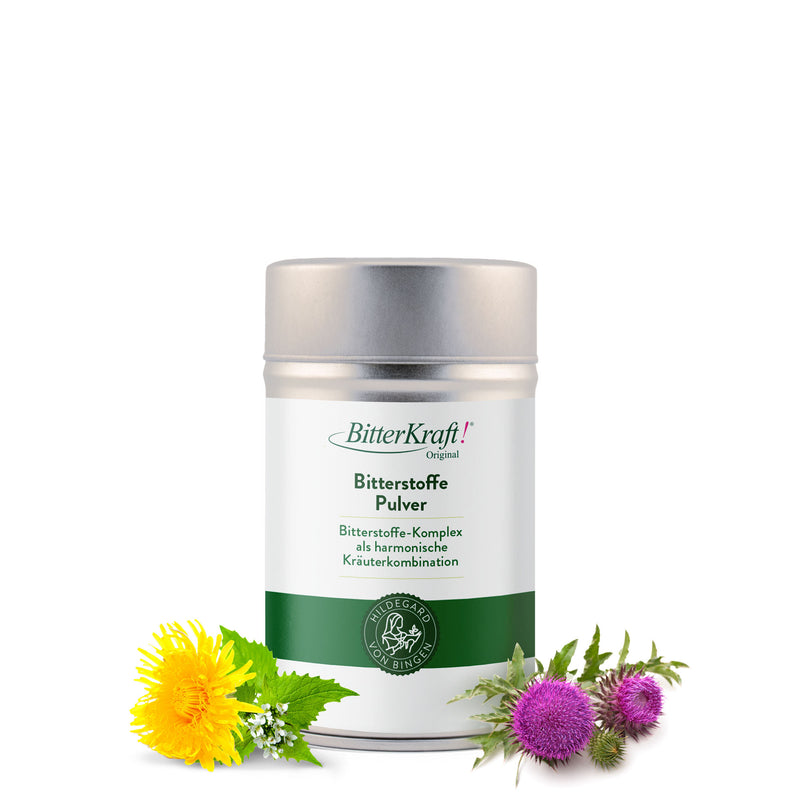
Hildegards Tipp:
- Ausgewählte Bitterkräuter in Pulverform
- Rezeptur auf Basis von 800 Jahren Klosterwissen
- Bitterkraft – der Pionier seit 1996 von 4.000 Heilpraktikern verwendet!
- Beste Naturheilkunde: Bio & vegan
Vorkommen von Blutwurz
Blutwurz (Potentilla erecta), auch Natternwurz, Rotwurz und Tormentill genannt, ist ein Rosengewächs, das hauptsächlich in Europa verbreitet ist. Es bevorzugt boreale und gemäßigte Zonen. In Südeuropa ist Blutwurz nur im Gebirge zu finden, seltener in nordasiatischen Ländern und Grönland.
Die bevorzugt auf Heiden wachsende Pflanze zeigt stickstoffarme Böden an. Sie treffen sie auch auf feuchten Wiesen, an Waldrändern und auf Lichtungen an. Sie liebt Halbschatten und magere Erde, die feucht und humusreich ist.
Wirkweise von Blutwurz
Im Mittelalter, als die Pest und andere Seuchen auf ihrem Höhepunkt waren, gehörte Blutwurz zu den wichtigsten Heilpflanzen überhaupt. Unter anderem empfahl Paracelsus eine Mischung aus ihr und Pimpinelle, um Blutungen und Wunden zu behandeln. Einige Jahrhunderte später sprach sich selbst Sebastian Kneipp noch für Blutwurz aus.
Heute trinken wir Blutwurz in Form von Tee, um unserem Verdauungstrakt etwas Gutes zu tun. Die getrockneten Wurzeln übergießen Sie mit kochendem Wasser und lassen sie für etwa zehn Minuten ziehen. Pro Tasse (250 ml) verwenden Sie ein bis zwei Teelöffel Blutwurz. Alternativ können Sie eine Blutwurztinktur zum Gurgeln verwenden, um Ihr Zahnfleisch und Ihre Mundschleimhäute zu pflegen.
Inhaltsstoffe von Blutwurz
Blutwurz gilt als eine der Pflanzen mit dem höchsten Gerbstoffgehalt. Etwa 20 Prozent von ihr machen die wertvollen Stoffe aus. Gerbstoffe zählen zu den wichtigsten Bestandteilen von Heilpflanzen. Sie haben eine adstringierende und antimikrobielle Wirkung, lindern Magen-Darm-Beschwerden und fördern die Wundheilung. Blutwurz schmeckt durch sie erdig und bitter.
Aussehen von Blutwurz
Die krautige Pflanze besitzt einen leicht behaarten Stängel mit schlanken, verzweigten Trieben. Sie wird etwa 15 bis 50 Zentimeter hoch. Charakteristisch sind die grob gezahnten Blätter, die oben Dunkelgrün und unten silbrig gefärbt sind. Von Mai bis September bildet sie leuchtend gelbe Schalenblüten aus.
Wissenswertes über Blutwurz
Der Name Blutwurz stammt davon, dass die Wurzeln der Pflanzen einen roten Saft absondern.

Über den Autor Henrik Aulbach
Weitere Artikel
Magenbitterstoffe vor dem Essen: Warum die Reihenfolge entscheidend ist
Magenbitterstoffe vor dem Essen » Nach Hildegard von Bingen ✓ Ohne Zusatzstoffe ✓ Made in Germany – Jetzt mehr erfahren
Bitterstoffreiche Smoothies: Grüne Rezepte für den Verdauungsstart am Morgen
Bitterstoff-Smoothies für den Morgen » Nach Hildegard von Bingen ✓ Vegan ✓ Ohne Zusatzstoffe – Jetzt Rezepte entdecken!
Hildegard von Bingens Dinkelrezepte für eine gesunde Verdauung
Hildegard von Bingens Dinkelrezepte » Nach Hildegard von Bingen ✓ Ohne Zusatzstoffe ✓ Biozertifiziert – Jetzt entdecken