

Henrik Aulbach ist erfahrener Gesundheitsredakteur mit über 10 Jahren Erfahrung, Experte für pflanzliche Wirkstoffe und Kultivierung, Co-Gründer, Buchautor und selbstständiger Fachtexter im Gesundheitswesen seit 2020.
Erfahren Sie hier mehr über diesen Autor.

Beifuß – Heilwirkung und Anwendung
Alles über Beifuß
Der Beifuß, auch gemeiner Beifuß genannt (Artemisia vulgaris), erfreute sich in der Vergangenheit enormer Beliebtheit. Die Germanen nannten das Kraut Mugwurz, was sich mit Machtwurz...

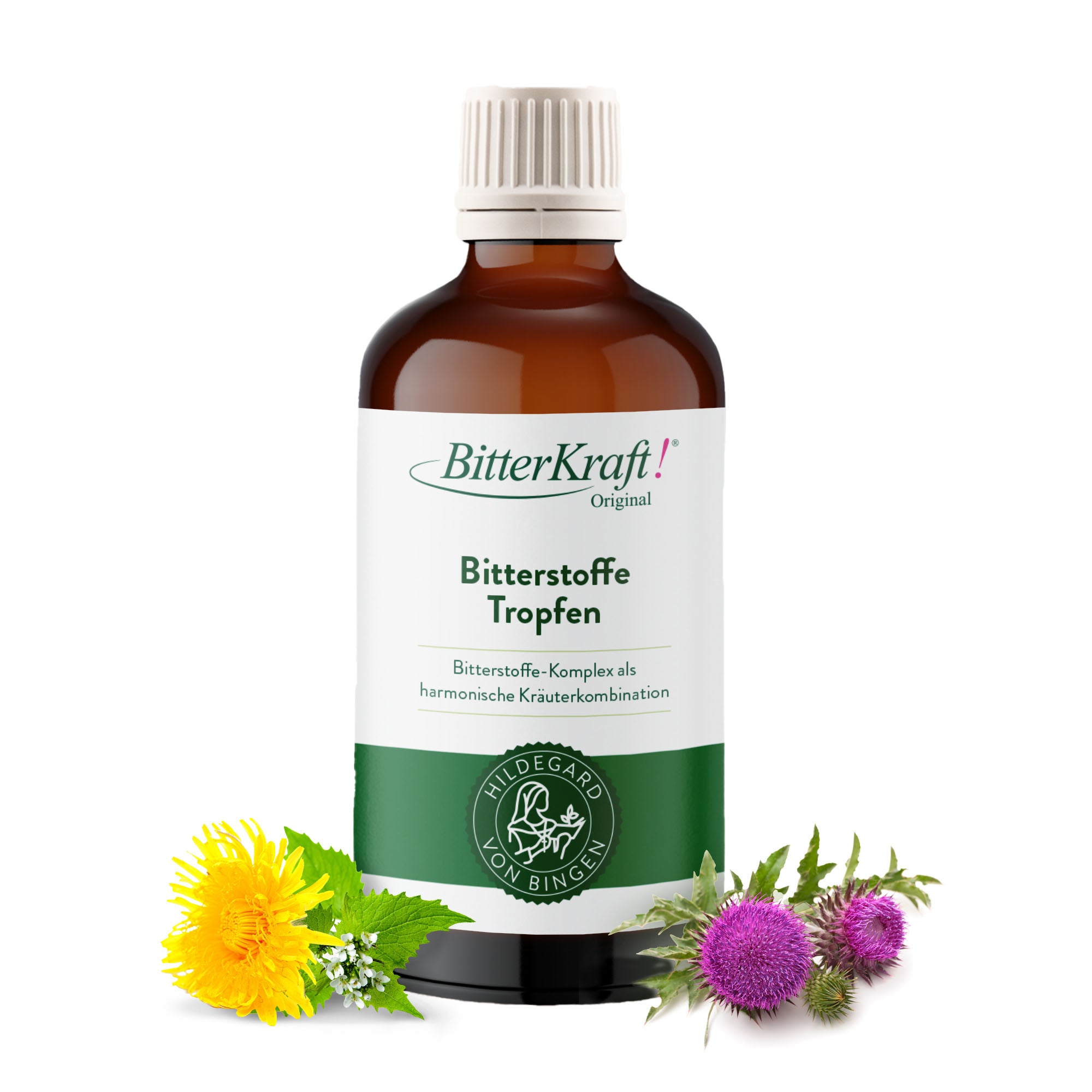
Hildegards Tipp:
- Wertvolle Bitterstoffe nach Hildegard Von Bingen
- Rezeptur auf Basis von 800 Jahren Klosterwissen
- Bitterkraft – der Pionier seit 1996 von 4.000 Heilpraktikern verwendet!
- Beste Naturheilkunde: Bio & vegan
Alles über Beifuß
Der Beifuß, auch gemeiner Beifuß genannt (Artemisia vulgaris), erfreute sich in der Vergangenheit enormer Beliebtheit. Die Germanen nannten das Kraut Mugwurz, was sich mit Machtwurz übersetzen lässt. Bei Frauenkrankheiten und bspw. Periodenschmerzen wird das Kraut seit Hunderten bis Tausenden Jahren eingesetzt. Zurückgedrängt an Wegränder und zur Würzung des weihnachtlichen Gänsebratens, nehmen die wenigsten seine Heilkraft heutzutage wahr.
Vorkommen von Beifuß
Der Beifuß ist in fast allen Gebieten der Nordhalbkugel zu finden. Besonders häufig wächst es in Europa, milderen Teilen Asiens und Nordafrika. Nach Nordamerika und Grönland hat der Mensch den Beifuß gebracht.
Antreffen können Sie die zur Familie der Korbblütler gehörende Pflanze u. a. in den Alpen. Ansonsten sind Sie mit brachliegenden Waldteilen oder Wiesen gut beraten - Hier ragt der Beifuß gerne als eine der ersten Pflanzen wieder empor.
Inhaltsstoffe von Beifuß
Besonders gerne verwenden wir den Beifuß für ätherische Öle. Die genaue Zusammensetzung des Öls variiert je nach lokalen Begebenheiten stark, wobei von der europäischen zur asiatischen Version nochmal ein großer Unterschied vorliegt.
Im ätherischen Öl ist zu großen Teilen Kampfer, Thujon, Linalool, Myrcen und Vulgarol enthalten. Typische Sesquiterpenelactone (kurzlebige Terpene) sind Vulgarin oder Pilostachyin. Gesundheitsfördernd sind ebenfalls die pflanzlichen Farbstoffe (Flavonoide), Cumarine und Carotinoide.
Eingenommen wird der Beifuß gerne als Tee. Die Wirkung des Beifuß-Tees kann mannigfaltig ausfallen. Zudem findet es als Gewürz Verwendung. Nicht zuletzt setzen einige darauf, einen Bündel Beifuß bspw. bei Verdauungsbeschwerden hinter dem Hosenbund zu tragen.
Wirkweise von Beifuß
Als Gewürz wird Beifuß bei fettigen Fleischgerichten eingesetzt. So hat sich der Beifuß zur Würzung des weihnachtlichen Gänsebratens behauptet. U. a. sind zahlreiche Bitterstoffe enthalten, welche die Fettverdauung fördert. Diese mögliche Beifuß Wirkung wird darum gerne bei Verdauungsproblemen ausgenutzt.
Gerne werden zudem die Duftstoffe aus dem Kraut verdampft, damit daraus Parfüm gewonnen werden kann. In Fachkreisen nennt man die Beifußessenz „Essence d’Armoise”.
Einige Inhaltsstoffe des Beifußes wirken bei zu langer Einnahme giftig, weshalb man mit Bedacht konsumieren sollte. Aufgetragen wird Beifuß jedoch gerne auf die Haut, bspw. bei Menstruationsbeschwerden oder um die Durchblutung der Gebärmutter anzuregen. Einige Mütter setzen etwa auf die Wirkung des Beifuß, um die Geburt zu beschleunigen. Schwangere Frauen sollten darum auf das Trinken von Beifuß-Tees verzichten, in Absprache mit dem Arzt kann der Konsum bei Eintritt der Wehen jedoch sinnvoll sein.
Aussehen von Beifuß
Der Beifuß kann von bis zu zwei Meter hoch wachsen. Die Pflanze ist geprägt von ihrem krautartigen Aussehen mit zahlreichen Stängeln, die senkrecht nach oben wachsen.
Die Oberseite der Blätter ist meistens grün, während die Unterseite weißlich erscheinen kann. Die Beifuß Blütezeit erstreckt sich von Juli bis August. Mit der Zeit werden die gelblichen Blüten zu Achänen, was nussähnliche Schließfrüchte sind. Wer den typischen Beifuß Geruch kennt, wird hieran zweifelsohne die Pflanze charakterisieren können.

Über den Autor Henrik Aulbach
Weitere Artikel
Magenbitterstoffe vor dem Essen: Warum die Reihenfolge entscheidend ist
Magenbitterstoffe vor dem Essen » Nach Hildegard von Bingen ✓ Ohne Zusatzstoffe ✓ Made in Germany – Jetzt mehr erfahren
Bitterstoffreiche Smoothies: Grüne Rezepte für den Verdauungsstart am Morgen
Bitterstoff-Smoothies für den Morgen » Nach Hildegard von Bingen ✓ Vegan ✓ Ohne Zusatzstoffe – Jetzt Rezepte entdecken!
Hildegard von Bingens Dinkelrezepte für eine gesunde Verdauung
Hildegard von Bingens Dinkelrezepte » Nach Hildegard von Bingen ✓ Ohne Zusatzstoffe ✓ Biozertifiziert – Jetzt entdecken