

Henrik Aulbach ist erfahrener Gesundheitsredakteur mit über 10 Jahren Erfahrung, Experte für pflanzliche Wirkstoffe und Kultivierung, Co-Gründer, Buchautor und selbstständiger Fachtexter im Gesundheitswesen seit 2020.
Erfahren Sie hier mehr über diesen Autor.

Bärwurz in der Klostermedizin
Vorkommen von Bärwurz
Die west- und mitteleuropäischen Mittelgebirge stellen die Heimat der Bärwurz (Meum athamanticum) dar. Hier ist das Kraut vor allem in lichten Laubwäldern und auf Magerwiesen so...

Hildegards Tipp:
- Fein abgestimmte Gewürzmischung mit Süßholz und Galgant
- Rezeptur auf Basis von 800 Jahren Klosterwissen
- Bitterkraft – der Pionier seit 1996 von 4.000 Heilpraktikern verwendet!
- Beste Naturheilkunde: Bio & vegan
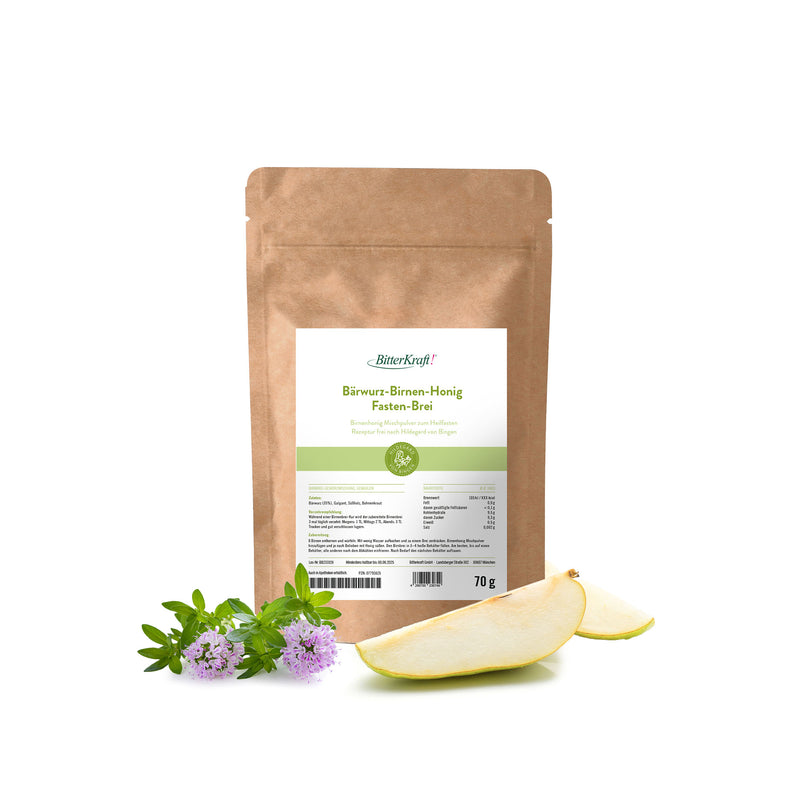
Vorkommen von Bärwurz
Die west- und mitteleuropäischen Mittelgebirge stellen die Heimat der Bärwurz (Meum athamanticum) dar. Hier ist das Kraut vor allem in lichten Laubwäldern und auf Magerwiesen sowie an steinigen Standorten anzutreffen. Heute kennen wir die buschig wachsende Pflanze primär durch ihre Verwertung als Schnaps. Dabei diente sie bereits im Mittelalter als Heilpflanze und zierte vielfach die verbreiteten Klostergärten, auch den der Äbtissin Hildegard von Bingen. Denn in der Hildegard-Medizin bildet Bärwurz bis in die Gegenwart hinein den Hauptbestandteil einzelner Zubereitungen.
In der Pflanzengattung Meum, die der Familie der Doldenblütler angehört, ist die Pflanze der einzige Vertreter. Heute steht die Bärwurz in vielen Regionen Deutschlands unter Naturschutz.
Inhaltsstoffe von Bärwurz
In der Bärwurz steckt mit ätherischen Ölen, fetten Öl, Monoterpenen, Kaffeesäure und Phthaliden ein bunter Mix aus verschiedenen Inhaltsstoffen. Die ätherischen Öle sind für den intensiven Geruch der Pflanze verantwortlich, der stark an Fenchel und Liebstöckel erinnert und selbst nach dem Trocknen nicht verfliegt.
Wirkweise von Bärwurz
Wegen ihres kräftig würzigen Geschmackes werden die frischen Blätter, die Samen und Wurzelstöcke der Bärwurz gern in der Küche verwendet. In den schottischen Highlands ist das Kraut ein typisches Gewürz. Aber auch hierzulande verfeinert es häufig Kräuterquark,-käse und -salz. Dabei harmoniert die Pflanze geschmacklich besonders gut mit Dill. Von mindestens drei Jahre alten Pflanzen lassen sich auch die Wurzeln als Gemüse nutzen.
Als Heilpflanze wird Bärwurz gequetscht für Umschläge bei Hautkrankheiten oder als aus den Blättern zubereiteter Tee gegen Verdauungsbeschwerden verarbeitet. Innerlich angewendet, soll die Pflanze eine appetitanregende und verdauungsfördernde Wirkung entfalten, worauf auch der Effekt des gleichnamigen Kräuterschnapses beruht.
Traditionell besteht die Anwendung in der Pflanzenheilkunde jedoch in der Anwendung bei Frauenleiden wie in der Schwangerschaft und bei Menstruationsschmerzen. Vermutlich geht bereits der Name auf die Behandlung von Krankheiten zurück, die die Gebärmutter betreffen. Schon die Kräuterkundige Hildegard von Bingen war im Mittelalter von der Bärwurz angetan und nutzt sie rege für ihre Hildegard-Medizin. Ihren bewährter Birnbrei für die Entschlackung, den die Heilige wertvoller als Gold einschätzte, enthält die würzige Pflanze als wichtigstes Kraut.
Aussehen von Bärwurz
Bärwurz entwickelt einen ausgeprägten Wurzelstock, der bis zu einen Meter in den Boden reichen kann. An den kahlen Stängeln der etwa 30 Zentimeter hohen Pflanze wachsen längliche, fedrige Blätter. Ab Anfang Juni beginnt die Bärwurz zu blühen. Aus den weißen bis gelblich-weißen Blüten bilden sich anschließend die Samen.
Wissenswertes über Bärwurz
Die gleichnamige hochprozentige Spirituose wird oftmals nicht aus Bärwurz gebraut. Stattdessen wird die verwandte Alpen-Mutterwurz (Mutellina adonidifolia) für die Schnapsherstellung genutzt.

Über den Autor Henrik Aulbach
Weitere Artikel
Magenbitterstoffe vor dem Essen: Warum die Reihenfolge entscheidend ist
Magenbitterstoffe vor dem Essen » Nach Hildegard von Bingen ✓ Ohne Zusatzstoffe ✓ Made in Germany – Jetzt mehr erfahren
Bitterstoffreiche Smoothies: Grüne Rezepte für den Verdauungsstart am Morgen
Bitterstoff-Smoothies für den Morgen » Nach Hildegard von Bingen ✓ Vegan ✓ Ohne Zusatzstoffe – Jetzt Rezepte entdecken!
Hildegard von Bingens Dinkelrezepte für eine gesunde Verdauung
Hildegard von Bingens Dinkelrezepte » Nach Hildegard von Bingen ✓ Ohne Zusatzstoffe ✓ Biozertifiziert – Jetzt entdecken