

Henrik Aulbach ist erfahrener Gesundheitsredakteur mit über 10 Jahren Erfahrung, Experte für pflanzliche Wirkstoffe und Kultivierung, Co-Gründer, Buchautor und selbstständiger Fachtexter im Gesundheitswesen seit 2020.
Erfahren Sie hier mehr über diesen Autor.

Artischocke: Wirkung, Anwendung und Dosierung
Die Artischocke ist für viele ein wunderbar leckeres Blü...
Die Artischocke ist für viele ein wunderbar leckeres Blütengemüse. Dabei eignet sie sich nicht nur zur Dekoration und zum Verzehr: 2003 wurde sie darüber hinaus zur Arzneipflanze des Jahres gekürt. Es muss also mehr hinter der Artischocke stecken: Wir betrachten sie aus einer naturheilkundlichen Perspektive.

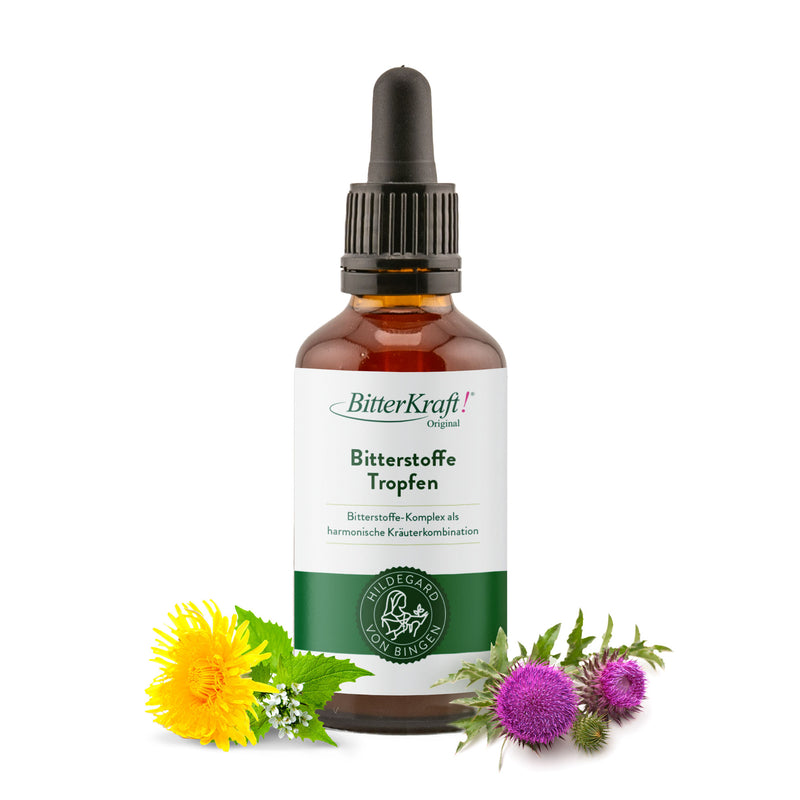
Hildegards Tipp:
- Wertvolle Bitterstoffe nach Hildegard Von Bingen
- Rezeptur auf Basis von 800 Jahren Klosterwissen
- Bitterkraft – der Pionier seit 1996 von 4.000 Heilpraktikern verwendet!
- Beste Naturheilkunde: Bio & vegan
Vorkommen von Artischocken
Beheimatet im Mittelmeerraum, bevorzugt es die Artischocke (Cynara cardunculus) warm und sonnig. Dabei zieht sie ein geschütztes Plätzchen vor, ihr ursprüngliches Habitat erstreckt sich über Persien bis nach Nordafrika und sogar die Kanarischen Inseln. Bereits die alten Griechen kannten und schätzten Artischocken.
Botanisch reiht sich die seit dem 1. Jahrhundert kultivierte Pflanze in die Familie der Korbblütler ein. Interessant ist, dass Artischocken als Gemüse bekannt sind, obwohl Artischocken auch Blumen sind. Auf Frost reagieren sie sehr empfindlich, dennoch lassen sie sich in milden Lagen, einen geeigneten Winterschutz vorausgesetzt, auch hierzulande anbauen. Einen reich gedüngten Boden und mit viel Humus angereichert weiß die Artischocke zu schätzen und belohnt derartige Voraussetzungen mit einem guten Wuchs. Staunässe verzeiht die mehrjährige Pflanze dagegen nicht. Artischocken in Deutschland anzubauen, benötigt also ein wenig Können. Die größten Anbaugebiete der Artischocke sind darum:
- Ägypten
- Peru
- China
- Argentinien
- Iran
Wirkweise und Nutzen von Artischocken
Wer sich an die stachlig-harte Schale der Artischocke wagt und sie entblättert, dem offenbart sie ihr Geschmackserlebnis. Fein-herb, leicht bitter muten ihre Blätter an, während sich Artischockenherzen und -böden durch einen milden Geschmack hervortun. In der Küche kann die Artischocke als vielseitiges und kalorienarmes Gemüse punkten.
Artischocken schmecken nicht nur ausgezeichnet, sondern sind auch ungemein gesund. Als Heilpflanze sollen sie die Darmtätigkeit ankurbeln, indem sie allein die Darmmuskulatur in Schwung bringen. Sie machen die Galle besonders produktiv und helfen dadurch bei der Fettverdauung. Auch dem Cholesterinspiegel soll die Artischocke zugutekommen. Positive Artischocken Wirkungen auf die Leber wurden ebenfalls beobachtet. Extrakte aus der Artischocke eignen sich zur Behandlung des Reizmagens.
Studien zufolge können die Blätter der Artischocke bei Appetitlosigkeit, Gallenbeschwerden und erhöhtem Cholesterinwerten als Behandlung dienen. Als Leberschutz wird auch zu ihr geraten. Bei so vielen Wirkungen hat sich die Artischocke 2003 zurecht den Titel Arzneipflanze des Jahres verdient.
Tauchen wir tiefer in die Thematik ein, können wir viel lernen. Die positive Artischocken Wirkung auf die Leber könnte etwa durch einen Bitterstoff namens Cynarin erfolgen. Ebendarum ist ein sehr hochwertiges Extrakt der Artischocke auch in unserem BitterKraft! enthalten.
Therapeutisch eingesetzt werden Extrakte der Artischocke bisher, um auf natürliche Weise den Blutfettspiegel zu senken, den Gallenfluss anzuregen und bei Verdauungsstörungen (dyspeptische Beschwerden) wie Reizmagen zu helfen.
Artischocke einnehmen: Mehr als Salate
Es gibt zahlreiche Wege, sich die positiven Eigenschaften der Artischocke zunutze zu machen. Am einfachsten funktioniert das natürlich durch die Ernährung. Artischocken werden meistens zwischen 20 - 45 Minuten gekocht und anschließend verzehrt. Am leckersten finden die meisten das Artischockenherz, der Boden schmeckt jedoch ebenfalls vielen.
Als therapeutische Darreichungsformen empfehlen wir (Frischpflanzen-)Extrakte, Artischockentees, Artischockenextrakte als Flüssigkeit oder Artischockenkapseln.
Dass Artischocken bspw. bei Verdauungsbeschwerden eingesetzt werden, fußt darauf, dass Artischocken gemäß der EMA (Europäischen-Arzneimittel-Agentur) ein traditionelles Mittel sind. Über 30 Jahre lang wird es also schon sicher eingesetzt, mindestens 15 davon in der EU.
Die empfohlene tägliche Höchstdosis entspricht 6 Gramm der frischen oder getrockneten Laubblätter der Artischocke. Achten Sie also bei jeder Darreichungsform darauf, diese Dosis nicht zu übersteigen.
Aus therapeutischer Sicht ergeben Fertigpräparate mit eindeutigen und präzisen Dosierungen am meisten Sinn. Mit diesen können Sie schnell erfahren, welche Dosis bei Ihnen hilft. Hierzu gehören bspw. Kapseln.
Wir legen Ihnen zu guter Letzt ein Frischpflanzenextrakt zu Herzen, da sich dessen Inhaltsstoffe massiv von denen eines Trockenextrakts unterscheiden können. Beim Trocknungsprozess können etwa bereits Inhaltsstoffe verloren gehen.
Inhaltsstoffe von Artischocken
Nicht nur als außergewöhnliche Schönheit und geschmacklich herausragendes Blütengemüse erregt die Artischocke Aufmerksamkeit. Ihre Inhaltsstoffe haben es ebenfalls in sich: Kaffeesäure, Chlorogen- und Neochlorogensäure sowie Cynarin, Flavonoide und Sesquiterpene, um nur einige aufzuführen. Selbst die guten Bitterstoffe hat der Korbblütler zu bieten.
Aussehen von Artischocken: Wunderschöne Blütenstände
In ihrem Äußeren erinnert die Artischocke an eine Diestel. Die großen korbförmigen Blütenstände bestehen aus mehreren Hüllblättern, die dem fleischigen Blütenboden entwachsen. Zur Blütezeit geben die Hüllblätter wunderschöne violette Röhrenblüten frei, die zahlreiche Insekten anlocken. Allerdings ist es dann zu spät für die Ernte. Denn diese ist nur möglich, solange die Blütenknospen noch verschlossen sind.
Artischocken selbst pflanzen: In Deutschland kein Leichtes
In Deutschland Artischocken anzubauen, ist gar nicht so einfach. Wir empfehlen direkt widerstandsfähige Sorten wie „Vert de Provence” oder „Imperial Star”. Diese können auch in unseren Breitengraden gedeihen und sind nicht so anspruchsvoll.
Suchen Sie als Standort einen geschützten und vollsonnigen Standort aus, die Erde sollte gut gedüngt sein und ordentlich Humus bieten. Staunässe können Artischocken gar nicht leiden. Haben die Artischocken den ersten Winter in Ihrem Garten überlebt, werden sie noch viele weitere durchstehen.
Damit die Artischocken gut auf den Winter vorbereitet werden, sollten Sie diese ab Mitte Januar im Haus vorziehen. Hierfür platzieren Sie eine Saatkiste an einem hellen, warmen Ort und bedienen die Erde mit ordentlich Hummus. Als Hilfe beim Keimen geben Sie die Samen für einige Stunden oder eine Nacht in warmes Wasser und danach erst in die Erde. Die Temperatur sollte etwa 20 °C betragen. Ragt der kleine Spross aus der Erde, ist sehr viel Licht erwünscht.
Bei 3 oder 5 Laubblättern können die Artischocken ausgesetzt werden, das sollte gegen Ende April der Fall sein. Dann benötigt eine Artischocke etwa einen Quadratmeter für sich selbst, eine wenig größere Fläche ist optimal. Bevor die Sprösslinge hier eingepflanzt werden, können Sie die Erde nochmal ordentlich mit Kompost anreichern. Als Faustregel können Sie etwa 4 Liter Kompost je Quadratmeter ausstreuen.
Wissenswertes über Artischocken
Vorsichtig beim Genuss der Artischocken sollten alle sein, die auf Korbblütengewächse allergisch reagieren. Bei Gallensteinen wird von ihren Blättern abgeraten.
Die Artischocke findet in der griechischen Mythologie Erwähnung. Als Zeus sich in die Nymphe Cynara verliebte und abgewiesen wurde, verwandelte er diese zugleich in eine stachelige Artischocke. Auch heute ist der Name der göttlichen Nymphe noch im wissenschaftlichen Namen der Artischocke enthalten: „Cynara cardunculus”
Artischocken: Häufig gestellte Fragen
Wo wachsen Artischocken?
Artischocken sind über weite Teile dieser Welt verbreitet. Sie stammen ursprünglich aus dem Mittelmeerraum, wie erstaunlich viele der heute noch genutzten Heilpflanzen. In der griechischen Mythologie findet die Artischocke bspw. Erwähnung. In Gebieten Italiens, Spaniens und sogar Nordafrikas wächst sie natürlich. Selbst auf den Kanarischen Inseln wachsen Artischocken wild.
Industriell angebaut werden sie vor allem in gemäßigten Klimagebieten, also bspw. in Ägypten, Peru, China, Kalifornien, der Türkei oder Argentinien.
Wie wachsen Artischocken?
Artischocken sind mehrjährige Pflanzen, sie sollen also den Winter überleben. Lediglich der kalte deutsche Winter ist oft zu rau für Artischocken - Das muss jedoch nicht der Fall sein! Folgende Kriterien müssen für eine gesunde Artischockenstaude erfüllt sein:
- Vollsonniger und windgeschützter Standort
- Boden voller Humus und Nährstoffe
- Hoher Wasserbedarf ohne Staunässe
- Vorkultivierung nötig ab Januar
- Nach Eisheiligen erst auspflanzen
- Jede Pflanze braucht etwa 150 x 75 cm für sich
- Gedeiht neben Kohl, Fenchel und Salat
Wie gesund sind Artischocken?
Artischocken sind überaus gesund, was man bspw. daran erkennt, dass sie 2003 zur Arzneipflanze des Jahres gewählt wurde. Als traditionelles Mittel kann es gegen Verdauungsbeschwerden eingesetzt werden, ohne dass sonderbare Risiken bestehen. Lediglich Menschen mit Gallensteinen sollten auf Artischocken verzichten.
Zusätzlich wird die Artischocke zur Senkung des Blutfettwertes und für einen erhöhten Gallenfluss eingesetzt. Weitere Einsatzbereiche sind möglich, müssen jedoch weiter erforscht werden.
Wann blühen Artischocken?
Die kugeligen und wunderschönen Blütenköpfe der Artischocke entstehen zwischen September und Oktober. In Deutschland kann die Blüte auch schon im Juli sichtbar sein. Es kommt eben auf die individuellen Umstände der Pflanze an. Artischocken schmücken jedoch oft Ziergärten, damit auch im Spätsommer bzw. Herbst schöne Blüten blühen.
Warum keine Artischocke bei Gallensteinen?
Artischocken können die Gallenproduktion anregen. Das ist bei Menschen mit Gallensteinen selbstverständlich kontraproduktiv. Diese harten Ablagerungen können bereits im Alltag zu Schmerzen und Beschwerden führen, was durch eine erhöhte Gallenproduktion ggf. verstärkt wird. Halten Sie also auf jeden Fall Rücksprache mit Ihrem Arzt.
Was ist besser für die Leber: Artischocke oder Mariendistel?
Beide Heilpflanzen werden oft für die Lebergesundheit eingenommen. Mariendistel wirkt dabei über das Wirkstoffgemisch namens Silymarin leberschützend und kann bspw. Leberzellen vor Schäden schützen. Artischocken regen unterdessen die Gallenproduktion an, womit sie die Verdauung und den Abbau von Fetten erleichtern können, was wiederum der Lebergesundheit zugutekäme.
Welche Pflanze also schlussendlich besser ist, spielt keine Rolle. Sie haben hiermit zwei sehr gut verträgliche Heilpflanzen vorliegen, welche Ihrer Lebergesundheit zuträglich sein können. Probieren Sie also gerne die beiden Heilpflanzen aus, wir empfehlen zuvor klar ein beratendes Arztgespräch.

Über den Autor Henrik Aulbach
Weitere Artikel
Magenbitterstoffe vor dem Essen: Warum die Reihenfolge entscheidend ist
Magenbitterstoffe vor dem Essen » Nach Hildegard von Bingen ✓ Ohne Zusatzstoffe ✓ Made in Germany – Jetzt mehr erfahren
Bitterstoffreiche Smoothies: Grüne Rezepte für den Verdauungsstart am Morgen
Bitterstoff-Smoothies für den Morgen » Nach Hildegard von Bingen ✓ Vegan ✓ Ohne Zusatzstoffe – Jetzt Rezepte entdecken!
Hildegard von Bingens Dinkelrezepte für eine gesunde Verdauung
Hildegard von Bingens Dinkelrezepte » Nach Hildegard von Bingen ✓ Ohne Zusatzstoffe ✓ Biozertifiziert – Jetzt entdecken