


Zwischen Tradition und Moderne: Akupunktur im Fokus der Heilung
Seit Jahrtausenden durchbohren feinste Nadeln die Haut von Patienten in China, und heute, Tausende von Meilen entfernt und viele Jahrhunderte später, bleibt die Faszination der Akupunktur in unsere...
Seit Jahrtausenden durchbohren feinste Nadeln die Haut von Patienten in China, und heute, Tausende von Meilen entfernt und viele Jahrhunderte später, bleibt die Faszination der Akupunktur in unserer modernen Medizin bestehen. Ihre Ursprünge, tief verwurzelt in den alten chinesischen Prinzipien von Qi, Yin und Yang, wurden von Generation zu Generation weitergegeben. Heute kombiniert die Akupunktur diese alte Weisheit mit modernsten wissenschaftlichen Erkenntnissen. Diese Reportage nimmt Sie mit auf eine Reise durch die Zeit – von den Anfängen der Akupunktur bis zu ihren aktuellen Anwendungen und ihrer wachsenden Anerkennung in der westlichen Medizin. Dabei begeben wir uns auf die Suche nach dem wahren Wert dieser alten Heilkunst und ihrer Bedeutung in unserer heutigen Welt. Willkommen zu einer Entdeckungsreise zwischen Tradition und Fortschritt.

Hildegards Tipp:
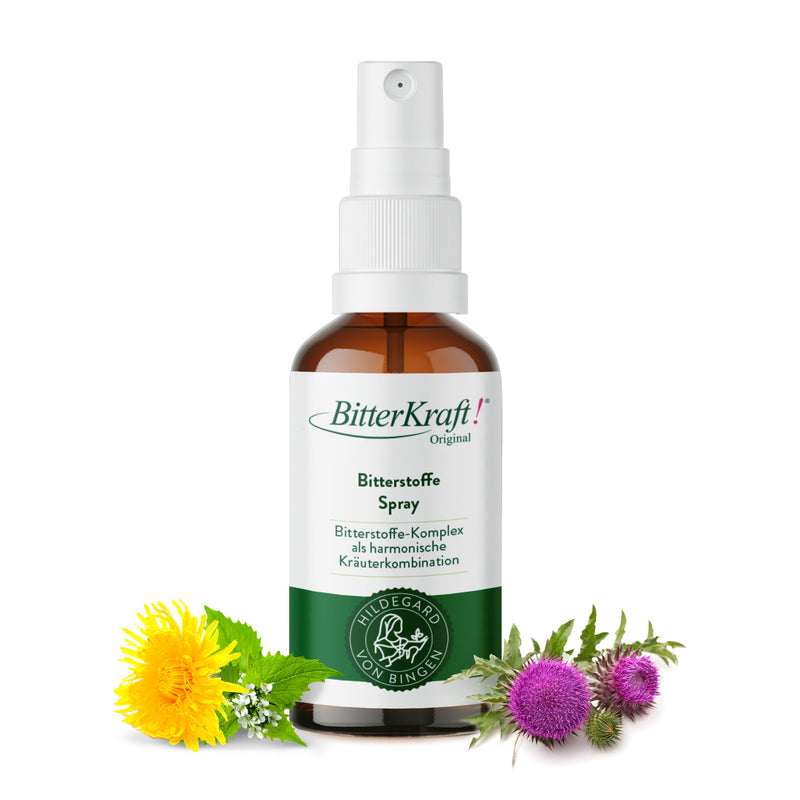
- Wertvolle Bittertropfen nach Hildegard Von Bingen als praktisches Spray - Ideal für unterwegs
- Rezeptur auf Basis von 800 Jahren Klosterwissen
- Bitterkraft - der Pionier seit 1996 von 4.000 Heilpraktikern verwendet!
- Beste Naturheilkunde: Bio & vegan
Grundlagen der Akupunktur
Die Akupunktur, eine Schlüsselkomponente der traditionellen chinesischen Medizin (TCM), ist mehr als nur das Einführen von Nadeln in bestimmte Punkte des Körpers. Um ihre Tiefe und Komplexität zu verstehen, müssen wir uns mit den grundlegenden Prinzipien vertraut machen, die ihr zugrunde liegen.
Konzept des Qi und der Meridiane: Im Herzen der Akupunktur steht das Konzept des Qi (ausgesprochen "Chi"), einer lebenswichtigen Energie oder Kraft, die durch den Körper fließt. Es wird angenommen, dass Krankheiten oder Beschwerden durch ein Ungleichgewicht oder eine Blockade dieses Qi-Flusses verursacht werden. Der Körper hat ein Netzwerk von Pfaden, bekannt als Meridiane, durch die das Qi fließt. Diese Meridiane verbinden verschiedene Organe und Systeme miteinander und sorgen dafür, dass das Qi in einem harmonischen Gleichgewicht zirkuliert.
Yin und Yang: Dies sind zwei entgegengesetzte, aber komplementäre Energien, die alle Aspekte des Lebens und der Natur repräsentieren. In der Medizin symbolisieren sie die Dualität und das Gleichgewicht im Körper. Ein Ungleichgewicht zwischen Yin und Yang kann zu Krankheiten führen. Die Akupunktur zielt darauf ab, dieses Gleichgewicht wiederherzustellen, indem sie das harmonische Zusammenspiel von Yin und Yang fördert.
Die fünf Elemente: Holz, Feuer, Erde, Metall und Wasser sind die fünf Schlüsselelemente in der chinesischen Kosmologie. Jedes Element steht in Beziehung zu bestimmten Organen, Emotionen und physischen Aspekten des Körpers. Ein Ungleichgewicht eines Elements kann eine Kettenreaktion im Körper auslösen, die zu Krankheiten führt. Die Akupunktur verwendet das Wissen über die fünf Elemente, um Diagnosen zu stellen und Therapien zu personalisieren.
Zusammenfassend kann man sagen, dass die Akupunktur auf einem tiefgreifenden Verständnis der Energien und Kräfte basiert, die den menschlichen Körper beeinflussen. Durch das Einstechen von Nadeln in spezifische Akupunkturpunkte zielt sie darauf ab, das Gleichgewicht von Qi, Yin und Yang wiederherzustellen und so die natürliche Heilung des Körpers zu fördern. Es ist ein System, das gleichermaßen auf Beobachtung, Erfahrung und Philosophie basiert, und das sich über Jahrtausende bewährt hat.
Verfahren und Techniken
Wenn wir an Akupunktur denken, stellen wir uns oft ein Bild von feinen Nadeln vor, die in den Körper gestochen werden. Doch hinter diesem scheinbar simplen Vorgang verbirgt sich eine Vielfalt an Techniken und Verfahren, die über Jahrtausende entwickelt und verfeinert wurden. Hier ein Überblick über die gängigsten Methoden:
Die Akupunkturnadeln: Nicht jede Nadel ist gleich. In der Akupunktur werden spezielle, extrem dünne Nadeln verwendet, die aus verschiedenen Materialien – meistens aus rostfreiem Stahl – gefertigt sind. Es gibt sie in unterschiedlichen Längen und Durchmessern, je nachdem, welcher Körperbereich behandelt wird oder welche Tiefe erreicht werden soll.
Einstechtechniken: Ein versierter Akupunkteur wählt nicht nur den richtigen Punkt aus, sondern auch die passende Einstechtechnik. Es gibt verschiedene Methoden, die Nadeln einzuführen, darunter das flache Einstechen, das senkrechte Einstechen oder das schräge Einstechen. Jede Technik hat ihren speziellen Anwendungsbereich, je nachdem, welcher Effekt erzielt werden soll.
Moxibustion: Neben der klassischen Nadeltechnik gibt es auch die Moxibustion, bei der getrocknetes Beifußkraut (Moxa) über einem Akupunkturpunkt entzündet wird. Die Wärme dringt in den Körper ein und soll die Lebensenergie stimulieren und Blockaden lösen.
Cupping: Hierbei werden kleine Gläser oder Becher auf die Haut gesetzt und ein Vakuum erzeugt, entweder durch Erhitzen der Luft im Inneren des Bechers oder durch mechanisches Absaugen. Dieses Verfahren fördert die Durchblutung und wird oft eingesetzt, um Schmerzen oder Verspannungen zu lindern.
Elektroakupunktur: Eine modernere Variation der traditionellen Akupunktur. Hierbei werden die Nadeln mit einem Gerät verbunden, das leichte elektrische Impulse aussendet. Dies kann die Stimulation der Akupunkturpunkte intensivieren und wird oft in der Schmerztherapie eingesetzt.
Diese Verfahren und Techniken zeigen die Vielseitigkeit der Akupunktur und ihre Anpassungsfähigkeit über die Zeiten hinweg. Sie bieten eine breite Palette an Möglichkeiten, um den individuellen Bedürfnissen und Beschwerden der Patienten gerecht zu werden. Von der traditionellen Methode, die sich über Jahrtausende bewährt hat, bis hin zu modernen Ansätzen, die mit den neuesten wissenschaftlichen Erkenntnissen im Einklang stehen, bleibt die Akupunktur eine Kunst, die ständig weiterentwickelt wird.
Anwendungsbereiche
Die Anwendbarkeit der Akupunktur erstreckt sich über ein weites Feld von Beschwerden und Krankheiten. Sie hat sich von ihren traditionellen chinesischen Wurzeln ausgehend in der gesamten Welt etabliert und wird sowohl als eigenständige Therapie als auch in Kombination mit anderen Behandlungsansätzen verwendet. Im Folgenden ein Überblick über die vielseitigen Anwendungsgebiete:
Akupunktur in der Schmerztherapie: Schmerzlinderung gehört zu den bekanntesten Anwendungen der Akupunktur. Ob Migräne, Menstruationsbeschwerden, Rückenschmerzen oder Arthrose – viele Menschen berichten von signifikanten Verbesserungen nach Akupunkturbehandlungen. Die Theorie dahinter ist, dass durch die Nadelung bestimmte Schmerzrezeptoren blockiert und körpereigene Schmerzlinderungsstoffe freigesetzt werden.
Behandlung von chronischen Erkrankungen: Erkrankungen wie Asthma, Allergien oder Verdauungsstörungen können durch Akupunktur positiv beeinflusst werden. Hier zielt die Behandlung darauf ab, das innere Gleichgewicht des Körpers wiederherzustellen und das Immunsystem zu stärken.
Stressreduktion und emotionales Gleichgewicht: Akupunktur kann dabei helfen, den Körper zu entspannen und den Geist zu beruhigen. Sie wird oft bei Schlafstörungen, Angstzuständen und Depressionen angewandt. Durch die Stimulation bestimmter Punkte soll das Nervensystem beruhigt und die Produktion von Stresshormonen reduziert werden.
Anwendungen in der Geburtsmedizin: Akupunktur findet auch Anwendung in der Schwangerschaft und Geburtsvorbereitung. Sie kann dabei helfen, morgendliche Übelkeit zu lindern, Verspannungen zu reduzieren oder den Körper auf die Geburt vorzubereiten.
Suchtbehandlung und Entwöhnung: In einigen Therapieansätzen wird Akupunktur zur Raucherentwöhnung oder zur Behandlung von Drogenabhängigkeiten eingesetzt. Die Behandlung kann Entzugserscheinungen mindern und das Verlangen nach der Suchtsubstanz reduzieren.
Stärkung des Immunsystems: Insbesondere in den Wechselzeiten der Jahreszeiten nutzen viele die Akupunktur, um ihr Immunsystem zu stärken und Erkältungskrankheiten vorzubeugen.
Die breite Palette der Anwendungsbereiche zeigt, dass Akupunktur nicht nur eine Form der Schmerztherapie ist, sondern ein vielseitiges Werkzeug, das das Potenzial hat, den gesamten Körper zu beeinflussen. Dabei wird immer das Individuum in seiner Gesamtheit betrachtet, und es wird nach den Ursachen der Beschwerden gesucht, statt nur die Symptome zu behandeln.
Wissenschaftliche Untersuchungen und Akzeptanz
Die Akupunktur, eine der ältesten Heilmethoden der Welt, steht seit Jahrzehnten im Fokus wissenschaftlicher Untersuchungen. Das Ziel? Ihren Nutzen und ihre Mechanismen aus einer westlich-medizinischen Perspektive zu verstehen und ihre Rolle in der modernen Medizin zu definieren.
Studien zur Effektivität der Akupunktur: Zahlreiche klinische Studien und systematische Übersichtsarbeiten haben die Effektivität der Akupunktur bei verschiedenen Erkrankungen und Symptomen untersucht. Viele dieser Studien zeigen positive Ergebnisse, insbesondere im Bereich der Schmerztherapie. Allerdings gibt es auch Studien, die zu gemischten oder neutralen Ergebnissen kommen, was die Debatte über die Wirkmechanismen und den Nutzen der Akupunktur anheizt.
Placebo-Effekt: Ein häufig diskutiertes Thema in der Akupunktur-Forschung ist der sogenannte Placebo-Effekt. Einige Studien zeigen, dass "Schein-Akupunktur" (bei der Nadeln nicht in tatsächliche Akupunkturpunkte gestochen werden) ähnliche Ergebnisse erzielen kann wie echte Akupunktur. Dies wirft Fragen über die spezifische Wirksamkeit der traditionellen Akupunkturtechniken auf.
Akupunktur in der modernen Medizin: Trotz der Debatte hat die Akupunktur in vielen westlichen Ländern einen festen Platz im Gesundheitswesen erlangt. Viele Krankenhäuser und Kliniken bieten Akupunktur als ergänzende Therapie an, und immer mehr medizinische Fachgesellschaften erkennen ihren Nutzen an, insbesondere in der Schmerztherapie.
Kritik und Skepsis: Obwohl viele Patienten und Mediziner von den Vorteilen der Akupunktur überzeugt sind, gibt es auch Kritiker. Sie argumentieren, dass nicht genügend qualitativ hochwertige Studien vorliegen, die die Effektivität der Akupunktur belegen. Manche sehen sie nur als komplementäre oder alternative Therapie und nicht als Hauptbehandlung.
Akupunktur und öffentliche Wahrnehmung: Die Akzeptanz der Akupunktur in der Öffentlichkeit wächst. Dies ist zum Teil auf positive Patientenerfahrungen und die steigende Anzahl an wissenschaftlichen Belegen zurückzuführen. Zudem ziehen viele Menschen naturbasierte oder ganzheitliche Behandlungen vor, die wenige Nebenwirkungen haben.
Insgesamt bleibt die Akupunktur ein faszinierendes Gebiet, das sowohl Begeisterung als auch Skepsis hervorruft. Während die Forschung fortschreitet, wird ihre Rolle in der Medizin weiter definiert, und sie wird weiterhin vielen Menschen weltweit Linderung und Heilung bringen.
Ausbildung und Regulierung
Die Praxis der Akupunktur erfordert ein tiefes Verständnis der menschlichen Anatomie, der zugrunde liegenden Prinzipien der traditionellen chinesischen Medizin sowie spezifische Fertigkeiten im Einstechen von Nadeln. Angesichts der Popularität und des potenziellen Risikos, wenn sie unsachgemäß durchgeführt wird, sind Ausbildung und Regulierung im Bereich der Akupunktur von entscheidender Bedeutung.
Grundlegende Ausbildungsanforderungen:
Theorie: Die Ausbildung umfasst in der Regel eine gründliche Einführung in die Theorie der traditionellen chinesischen Medizin, einschließlich Konzepte wie Qi, Yin und Yang, Meridiane und die fünf Elemente.
Praxis: Kurse in praktischer Akupunktur, bei denen Schüler lernen, Nadeln sicher und effektiv einzuführen.
Diagnose: Schulung in den Diagnosemethoden der chinesischen Medizin, einschließlich Puls- und Zungendiagnostik.
Dauer der Ausbildung: Die Länge der Akupunkturausbildung variiert je nach Land und Institution, liegt aber in der Regel zwischen drei und fünf Jahren.
Zertifizierung und Lizenzierung: Nach Abschluss ihrer Ausbildung müssen Akupunkteure in vielen Ländern eine staatliche Prüfung ablegen, um eine Lizenz zur Ausübung zu erhalten. Diese Prüfungen gewährleisten, dass der Praktiker über die notwendigen Kenntnisse und Fähigkeiten verfügt, um sicher und effektiv zu praktizieren.
Kontinuierliche Fortbildung: Wie in vielen Gesundheitsberufen ist auch bei Akupunkteuren eine kontinuierliche Fortbildung wichtig. Dies stellt sicher, dass sie über die neuesten Entwicklungen in ihrem Fachgebiet informiert sind und ihre Fähigkeiten ständig verbessern.
Regulierung: Die Regulierung von Akupunkteuren und ihren Praktiken variiert je nach Land und Region. Während in einigen Ländern strenge Regelungen und Überwachungsmechanismen existieren, können in anderen Ländern Personen ohne formale Ausbildung praktizieren. Dies hat zu Bedenken hinsichtlich der Sicherheit und Effektivität geführt und betont die Notwendigkeit einer konsistenten und strengen Regulierung.
Anerkennung durch medizinische Gesellschaften: Im Laufe der Zeit hat die Akupunktur in vielen Ländern die Anerkennung von offiziellen medizinischen Gesellschaften und Verbänden erhalten, die Standards für die Ausbildung und Praxis festlegen.
Zusammengefasst ist die Akupunkturausbildung ein intensiver Prozess, der sowohl theoretisches Wissen als auch praktische Fertigkeiten vermittelt. Die Regulierung dieser Praxis ist entscheidend, um sicherzustellen, dass Patienten sicheren und qualitativ hochwertigen Behandlungen unterzogen werden. Es liegt in der Verantwortung sowohl der Regulierungsbehörden als auch der Akupunktur-Gemeinschaft, hohe Standards aufrechtzuerhalten und das Vertrauen der Öffentlichkeit in diesen alten Heilberuf zu gewährleisten.
Zukunft der Akupunktur
Die Akupunktur, eine jahrtausendealte Methode der traditionellen chinesischen Medizin, hat sich in der modernen Welt erfolgreich behauptet. Doch was hält die Zukunft für diese Heilkunst bereit? Die Zeichen deuten auf eine aufregende Synthese von Tradition und Technologie sowie auf eine noch stärkere Integration in die weltweite medizinische Praxis hin.
Integration in die westliche Medizin: Immer mehr Krankenhäuser und Kliniken in westlichen Ländern integrieren Akupunktur in ihre Behandlungsangebote. Die Akzeptanz der Akupunktur als wertvolle komplementäre Therapie wird voraussichtlich weiter zunehmen, insbesondere für Schmerzmanagement, postoperative Pflege und chronische Erkrankungen.
Technologische Fortschritte: Fortschritte in der Medizintechnik könnten die Akupunkturpraxis revolutionieren. Denken Sie an computergesteuerte Akupunktur, bei der Maschinen den besten Punkt und die Tiefe der Nadeleinführung bestimmen, oder an bildgebende Verfahren, die den Energiefluss des Qi in Echtzeit zeigen.
Tiefere Forschung: Während viele Studien bereits die Vorteile der Akupunktur bestätigen, könnten zukünftige Forschungen ihre Wirkmechanismen auf zellulärer oder molekularer Ebene weiter aufklären. Dies würde dazu beitragen, die westliche und östliche Medizin noch stärker zu verknüpfen.
Virtuelle Realität und Akupunktur: Vorstellbar ist auch die Verwendung von VR-Technologien zur Schulung von Akupunkteuren oder zur Simulation von Akupunktursitzungen für Bildungszwecke.
Globalisierung und Standardisierung: Mit der weiteren Verbreitung der Akupunktur weltweit könnten international anerkannte Standards für die Ausbildung und Praxis von Akupunkteuren entstehen, was die Qualität und Sicherheit der Behandlung erhöhen würde.
Umwelt- und Nachhaltigkeitsbewegungen: Angesichts des wachsenden Interesses an natürlichen und ganzheitlichen Behandlungsformen, die im Einklang mit der Umwelt stehen, könnte die Akupunktur als nachhaltige medizinische Praxis weiter an Bedeutung gewinnen.
Erweiterte Anwendungsgebiete: Es ist wahrscheinlich, dass durch weiterführende Forschung neue therapeutische Anwendungen für die Akupunktur entdeckt werden, die über die bereits bekannten hinausgehen.
Die Akupunktur, die sich bereits seit Jahrtausenden behauptet hat, steht vor einer vielversprechenden Zukunft. Durch den harmonischen Zusammenschluss von Tradition und Innovation wird sie wahrscheinlich sowohl in ihrer Praxis als auch in ihrer Akzeptanz wachsen und sich weiterentwickeln. Dabei bietet sie Millionen von Menschen weiterhin Erleichterung und Heilung.
Fazit
Die Akupunktur, ein Eckpfeiler der traditionellen chinesischen Medizin, hat den Test der Zeit bestanden und sich erfolgreich in das medizinische Mosaik unserer modernen Welt eingefügt. Ihre Prinzipien, die tief in der Philosophie von Gleichgewicht und Harmonie verwurzelt sind, bieten vielen Menschen weltweit Linderung von Schmerzen und Beschwerden. Während skeptische Stimmen anfänglich ihre Wirksamkeit in Frage stellten, hat die wachsende wissenschaftliche Forschung und die breite Akzeptanz in der westlichen Medizin dazu beigetragen, die Akupunktur als eine legitime und wirksame therapeutische Intervention zu etablieren.
Die Zukunft der Akupunktur sieht vielversprechend aus, wobei Technologie und Tradition wahrscheinlich Hand in Hand gehen werden, um den Praktikern zu helfen, ihre Techniken zu verfeinern und den Patienten optimale Ergebnisse zu liefern. Das wachsende Interesse an ganzheitlichen und nachhaltigen Behandlungsformen, gepaart mit fortlaufender Forschung und Entwicklung, lässt darauf schließen, dass die Akupunktur weiterhin eine bedeutende Rolle in der globalen Gesundheitslandschaft spielen wird.
In einer Zeit, in der die Gesellschaft ständig nach Wegen sucht, die körperliche Gesundheit und das Wohlbefinden zu verbessern, bietet die Akupunktur eine zeitlose und dennoch innovative Methode, die nicht nur Symptome behandelt, sondern den Menschen in seiner Gesamtheit betrachtet. Es bleibt zu hoffen, dass mit fortschreitender Zeit immer mehr Menschen Zugang zu dieser heilenden Kunst erhalten und von ihren zahlreichen Vorteilen profitieren können.

Magenbitterstoffe vor dem Essen: Warum die Reihenfolge entscheidend ist
Magenbitterstoffe vor dem Essen » Nach Hildegard von Bingen ✓ Ohne Zusatzstoffe ✓ Made in Germany – Jetzt mehr erfahren

Bitterstoffreiche Smoothies: Grüne Rezepte für den Verdauungsstart am Morgen
Bitterstoff-Smoothies für den Morgen » Nach Hildegard von Bingen ✓ Vegan ✓ Ohne Zusatzstoffe – Jetzt Rezepte entdecken!
Hildegard von Bingens Dinkelrezepte für eine gesunde Verdauung
Hildegard von Bingens Dinkelrezepte » Nach Hildegard von Bingen ✓ Ohne Zusatzstoffe ✓ Biozertifiziert – Jetzt entdecken