


Essen im Gleichgewicht: Einblicke in die westliche und TCM-Ernährungsphilosophie
Ernährung ist ein faszinierendes und essentielles Thema, das jeden von uns betrifft. Ob aus Interesse an Gesundheit, Lebe...
Ernährung ist ein faszinierendes und essentielles Thema, das jeden von uns betrifft. Ob aus Interesse an Gesundheit, Lebensqualität oder einfach nur aus reiner Neugier – unser tägliches Essen beeinflusst, wie wir uns fühlen, wie wir aussehen und wie wir unsere Umwelt wahrnehmen. Doch während viele von uns nach den neuesten Ernährungstrends oder -ratschlägen suchen, gibt es eine jahrtausendealte Tradition, die uns eine ganz andere Perspektive auf das Thema Ernährung bietet: Die Traditionelle Chinesische Medizin, kurz TCM. Bei meiner ersten Reise nach China stolperte ich in einem kleinen Markt über ein Buch zur TCM-Ernährung. Fasziniert von den unterschiedlichen Ansichten und Konzepten, entschied ich mich, tiefer in diese Welt einzutauchen. Diese Reportage ist das Ergebnis dieser Reise, sowohl physisch als auch geistig.

Hildegards Tipp:
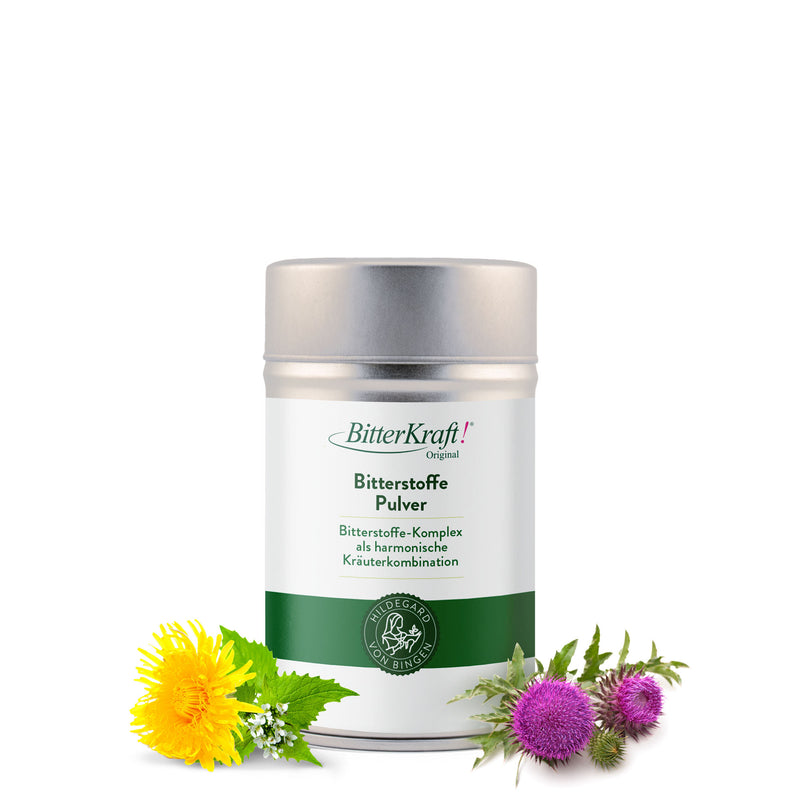
- Ausgewählte Bitterkräuter in Pulverform
- Rezeptur auf Basis von 800 Jahren Klosterwissen
- Bitterkraft – der Pionier seit 1996 von 4.000 Heilpraktikern verwendet!
- Beste Naturheilkunde: Bio & vegan
Grundlagen der allgemeinen Ernährung
Eine ausgewogene Ernährung ist das Fundament unserer Gesundheit und unseres Wohlbefindens. Sie versorgt den Körper mit allen notwendigen Nährstoffen, die er benötigt, um optimal zu funktionieren und sich gegen Krankheiten zu schützen. Im Zentrum dieser Ernährung stehen Makro- und Mikronährstoffe. Während Makronährstoffe, wie Proteine, Fette und Kohlenhydrate, die Hauptenergiequellen unseres Körpers darstellen, sind Mikronährstoffe, darunter Vitamine und Mineralien, essentiell für eine Vielzahl von Körperfunktionen, obwohl sie in geringeren Mengen benötigt werden. Doch in der heutigen Zeit, in der Ernährungstrends sich schnell wandeln und ständig neue Empfehlungen auftauchen, ist es umso wichtiger, sich fundiertes Wissen anzueignen. Von pflanzenbasierten Diäten bis hin zu Low-Carb-Ansätzen - die Welt der Ernährung ist vielseitig und ständig in Bewegung. In dieser Reportage wollen wir sowohl die Grundlagen als auch aktuelle Trends und Empfehlungen näher beleuchten.
Einblick in die Traditionelle Chinesische Medizin (TCM)
Die Traditionelle Chinesische Medizin, oft einfach als TCM bezeichnet, blickt auf eine beeindruckende Geschichte von mehreren tausend Jahren zurück. In dieser Zeit hat sie sich von einfachen Naturheilverfahren zu einem ausgeklügelten System aus Diagnostik, Therapie und Prävention entwickelt. Zentral für das Verständnis der TCM sind mehrere Grundkonzepte, die tief in der chinesischen Kultur und Philosophie verwurzelt sind. Hierzu zählen das harmonische Zusammenspiel von Yin und Yang, das stetige Wechselspiel von Gegensätzen, welches das Gleichgewicht im Körper und in der Umwelt bestimmt. Ebenso wichtig sind die fünf Elemente - Holz, Feuer, Erde, Metall und Wasser - die sowohl in der Natur als auch im menschlichen Organismus wiederzufinden sind und miteinander in Beziehung stehen. Schließlich ist da noch das Qi, oft als Lebensenergie beschrieben, das durch den Körper fließt und alle Lebensprozesse antreibt. Um die Faszination und Tiefe der TCM wirklich zu verstehen, müssen wir uns mit diesen Kernkonzepten vertraut machen und ihre Bedeutung in der Praxis erkennen.
Ernährung nach TCM
Innerhalb der Traditionellen Chinesischen Medizin nimmt die Diätetik eine zentrale Rolle ein, da sie nicht nur die physische Nahrung, sondern auch die energetische Qualität der Lebensmittel betrachtet. Ein Grundkonzept hierbei ist die thermische Natur von Lebensmitteln. Ob "warm", "neutral" oder "kalt" – jedes Lebensmittel besitzt eine spezifische energetische Wirkung, die auf unseren Körper Einfluss nimmt und dazu beiträgt, das innere Gleichgewicht zu erhalten oder wiederherzustellen. Ebenso bedeutungsvoll sind die Geschmackseigenschaften: Süß, sauer oder bitter sind nicht nur simple Geschmacksrichtungen, sondern vermitteln auch spezifische therapeutische Eigenschaften, die unterschiedliche Organe und Körpersysteme beeinflussen.
Die TCM versteht, dass jeder Mensch einzigartig ist. Deshalb werden Lebensmittel nicht nur nach ihren generellen Eigenschaften ausgewählt, sondern auch nach individuellen Kriterien. Abhängig von der Konstitution einer Person, der jeweiligen Jahreszeit und dem aktuellen Gesundheitszustand können bestimmte Nahrungsmittel empfohlen oder vermieden werden. Um dies zu verdeutlichen: Während ein Mensch mit einer "kalten" Konstitution von wärmenden Lebensmitteln profitiert, könnte jemand anderes mit einer "heißen" Konstitution genau diese Nahrungsmittel meiden. Einige Beispiele hierfür sind Ingwer, der als wärmend gilt, während Wassermelone als kühlendes Lebensmittel betrachtet wird.
Um den therapeutischen Wert der TCM-Ernährung wirklich zu erfassen, ist es unerlässlich, diese tiefgehenden Konzepte und ihre praktischen Anwendungen zu verstehen.
Vergleich: Westliche Ernährungswissenschaft vs. TCM
Während die westliche Ernährungswissenschaft hauptsächlich auf quantitativen Daten, Studien und der Analyse von Nährstoffen basiert, schöpft die Traditionelle Chinesische Medizin (TCM) ihr Wissen aus Jahrtausenden von Beobachtungen und Erfahrungen. Beide Ansätze haben ihre eigenen Stärken und Schwächen, aber es gibt auch einige überraschende Gemeinsamkeiten. Beide betonen beispielsweise die Wichtigkeit einer ausgewogenen Ernährung und erkennen, dass Nahrungsmittel sowohl heilende als auch schädliche Auswirkungen haben können.
Die Wissenschaft hat in den letzten Jahren wachsendes Interesse an der TCM gezeigt, insbesondere an ihrer Ernährungslehre. Aktuelle Studien deuten darauf hin, dass einige der Prinzipien und Empfehlungen der TCM tatsächlich positive Effekte auf die Gesundheit haben können, obwohl die Mechanismen dahinter oft anders interpretiert werden.
Allerdings gibt es auch Kritikpunkte und Herausforderungen, wenn man die westliche Ernährungswissenschaft und die TCM miteinander vergleicht. Manche Kritiker argumentieren, dass die TCM zu vage oder subjektiv sei und nicht immer den strengen wissenschaftlichen Standards genügt, die in der westlichen Medizin gefordert werden. Andererseits werfen Befürworter der TCM ein, dass die westliche Wissenschaft manchmal zu engstirnig ist und den ganzheitlichen Aspekt des menschlichen Körpers und seiner Beziehung zur Umwelt vernachlässigt.
Es ist eine faszinierende Diskussion, die aufzeigt, wie verschiedene Kulturen und Traditionen den gleichen Fragen nachgehen, aber oft zu unterschiedlichen Antworten gelangen.
Bedeutung im Alltag
Unsere täglichen Ernährungsgewohnheiten sind weit mehr als bloße Routine – sie sind ein Spiegel unserer Kultur, unserer Erziehung und oft auch unserer emotionalen Zustände. Jede Kultur hat ihre eigenen Traditionen und Vorstellungen von dem, was eine "gute" Mahlzeit ausmacht, und diese Vorstellungen prägen uns von Kindheit an.
Viele Menschen, die den Schritt gewagt haben, ihre Ernährung umzustellen – sei es hin zu einer westlich geprägten Diät oder zu den Prinzipien der TCM – berichten von tiefgreifenden Veränderungen. Diese reichen von verbesserter körperlicher Gesundheit bis hin zu einem gesteigerten allgemeinen Wohlbefinden. Einige erzählen von einer Linderung chronischer Beschwerden, während andere von neugewonnener Energie und Vitalität schwärmen.
Wenn Sie daran interessiert sind, TCM-Prinzipien in Ihren Alltag zu integrieren, gibt es einige einfache Schritte, um den Einstieg zu erleichtern. Es beginnt oft mit dem Zuhören: Hören Sie auf Ihren Körper und versuchen Sie, seine Signale zu verstehen. Integrieren Sie wärmende oder kühlende Lebensmittel je nach Bedarf und Jahreszeit. Und schließlich, suchen Sie nach Rezepten oder Restaurants, die sich auf die TCM-konforme Zubereitung spezialisiert haben, um Inspiration zu sammeln und neue Geschmackswelten zu entdecken.
Es ist eine Reise der Selbstentdeckung und des Lernens – und jede Mahlzeit bietet die Chance, sich selbst und seine Beziehung zur Nahrung ein wenig besser zu verstehen.
Fazit
Die Reise durch die Landschaft der Traditionellen Chinesischen Medizin und ihrer Ernährungsprinzipien war für mich persönlich eine Erweiterung des Horizonts. In unserer schnelllebigen, modernen Welt, in der Technologie und Wissenschaft oft im Vordergrund stehen, bietet die TCM eine beruhigende und gleichzeitig tiefgründige Perspektive auf das, was es bedeutet, sich zu ernähren und genährt zu werden.
Während die TCM tief in der Vergangenheit verwurzelt ist, glaube ich, dass ihre Prinzipien relevanter sind denn je. In Zeiten von Lebensmittelskandalen, Umweltkrisen und wachsenden Gesundheitsproblemen bietet die TCM einen Ansatz, der den Menschen und seine Beziehung zur Natur in den Mittelpunkt stellt. Es ist ein ganzheitlicher Blick auf Ernährung, der nicht nur den Körper, sondern auch Geist und Seele ernährt.
In Bezug auf die Zukunft der Ernährung bin ich optimistisch, dass traditionelle Konzepte wie die der TCM einen festen Platz in unseren Diskussionen und Praktiken finden werden. Die Synthese von altem Wissen und moderner Wissenschaft könnte den Weg für eine Ernährung ebnen, die sowohl gesund für den Einzelnen als auch nachhaltig für unseren Planeten ist.
Die Reise endet hier nicht; sie hat gerade erst begonnen. Mit einem wachsenden Bewusstsein und Respekt für traditionelle Weisheiten können wir hoffentlich eine bessere und gesündere Zukunft für alle gestalten.
Bilderquellen: Verschiedene Gemüsesorten, zubereitet für einen Salat, unterstreichen die kulinarische Frische. Diese Szene spiegelt die

Magenbitterstoffe vor dem Essen: Warum die Reihenfolge entscheidend ist
Magenbitterstoffe vor dem Essen » Nach Hildegard von Bingen ✓ Ohne Zusatzstoffe ✓ Made in Germany – Jetzt mehr erfahren

Bitterstoffreiche Smoothies: Grüne Rezepte für den Verdauungsstart am Morgen
Bitterstoff-Smoothies für den Morgen » Nach Hildegard von Bingen ✓ Vegan ✓ Ohne Zusatzstoffe – Jetzt Rezepte entdecken!
Hildegard von Bingens Dinkelrezepte für eine gesunde Verdauung
Hildegard von Bingens Dinkelrezepte » Nach Hildegard von Bingen ✓ Ohne Zusatzstoffe ✓ Biozertifiziert – Jetzt entdecken