


Schmerz verstehen: Von alter Weisheit bis zukünftiger Therapie
Schmerz – ein Wort, das oft mit Unbehagen, Leid und Qual verbunden ist. Aber was genau ist Schmerz? Schmerz kann als ein unangenehmes sensorisches und emotionales Erlebnis beschrieben werden, das m...
Schmerz – ein Wort, das oft mit Unbehagen, Leid und Qual verbunden ist. Aber was genau ist Schmerz? Schmerz kann als ein unangenehmes sensorisches und emotionales Erlebnis beschrieben werden, das mit tatsächlichem oder potenziellem Gewebeschaden einhergeht. Er ist nicht nur eine physische Empfindung, sondern auch ein tiefgreifendes emotionales Erlebnis, das jeden Aspekt des menschlichen Daseins beeinflussen kann. Er ist ein universelles Phänomen und doch individuell in seiner Erfahrung.
Jeder von uns hat sicherlich schon einmal Schmerzen erlebt, sei es durch eine kleine Schnittwunde, einen gebrochenen Knochen oder Kopfschmerzen. Aber für viele Menschen sind Schmerzen nicht nur ein vorübergehendes Leiden. Nehmen wir zum Beispiel Clara, eine 34-jährige Mutter von zwei Kindern. Seit einem Autounfall vor fünf Jahren leidet sie unter ständigen Rückenschmerzen. Trotz zahlreicher Therapien und Medikamente bleibt ihr Schmerz beständig. Für Clara bedeutet das nicht nur körperliches Leiden, sondern auch die Herausforderung, ihren Alltag mit den Kindern zu bewältigen und ihren Beruf auszuüben.
Oder denken Sie an Raj, einen ehemaligen Marathonläufer, der aufgrund einer entzündlichen Erkrankung nun mit chronischen Gelenkschmerzen zu kämpfen hat. Er beschreibt den Schmerz als ständigen Begleiter, der ihn daran erinnert, was er einmal konnte und nun nicht mehr kann.
Diese Geschichten sind nur zwei von Millionen. Schmerz kann das Leben in einer Weise beeinflussen, die sich Außenstehende oft nicht vorstellen können. Er ist nicht nur eine physische Barriere, sondern auch eine emotionale und psychologische Belastung. Unsere Reportage taucht tief in das Thema Schmerzlinderung ein und beleuchtet die vielen Facetten dieses komplexen Themas. Es ist eine Reise durch das Leid, die Hoffnung und die ständige Suche nach Linderung und einem besseren Leben.

Hildegards Tipp:
- Für eine verbesserte und natürliche Mundhygiene
- Rezeptur auf Basis von 800 Jahren Klosterwissen
- Von 4.000 Heilpraktikern verwendet
- Beste Naturheilkunde: Bio & vegan

Historischer Überblick:
Die Geschichte der Schmerztherapie ist so alt wie die Menschheitsgeschichte selbst. Seit jeher hat der Mensch nach Möglichkeiten gesucht, Schmerzen zu lindern und Beschwerden zu mindern. Vom einfachen Kauen von Blättern und Wurzeln bis hin zu komplexen chirurgischen Eingriffen hat sich die Art und Weise, wie wir Schmerzen behandeln, ständig weiterentwickelt.
In den frühen Zivilisationen, wie bei den Ägyptern und Griechen, wurden Naturheilmittel und Rituale genutzt, um Schmerzen zu lindern. Die Ägypter beispielsweise griffen zu Heilpflanzen wie dem Mohn, aus dem sie Vorstufen von Opium gewannen. Die Griechen hingegen verehrten Asklepios, den Gott der Heilung, und glaubten an die heilende Kraft des Schlafs und der Träume.
In Asien, insbesondere in China, entstand die Praxis der Akupunktur. Die traditionelle chinesische Medizin sah den Schmerz als ein Ungleichgewicht der Lebensenergie Qi und nutzte Nadeln, um die Energieflüsse im Körper wiederherzustellen. Ebenso sind ayurvedische Therapien aus Indien bekannt, die sich auf natürliche Heilmittel und Lebensgewohnheiten konzentrierten, um das körperliche und geistige Gleichgewicht zu fördern.
Mit dem Aufstieg der wissenschaftlichen Medizin in der Renaissance begannen Ärzte, den menschlichen Körper systematisch zu studieren und zu verstehen. Anästhetika wie Ether und Chloroform revolutionierten die Chirurgie und ermöglichten komplexe Eingriffe ohne den damit verbundenen unerträglichen Schmerz. Diese Entdeckungen legten den Grundstein für die moderne Schmerztherapie, die eine Vielzahl von Ansätzen von Medikamenten über Physiotherapie bis hin zu kognitiven Verhaltenstherapien umfasst. In der Betrachtung alter Heilmittel und traditioneller Ansätze sehen wir jedoch nicht nur die Anfänge der Schmerztherapie, sondern auch ein wertvolles Erbe, das auch heute noch Anwendung findet. Viele traditionelle Therapien sind nach wie vor beliebt und werden oft mit modernen Methoden kombiniert, um eine umfassende Schmerzlinderung zu bieten.
Die Geschichte der Schmerzlinderung ist somit eine Erzählung von Entdeckung, Innovation und ständiger Anpassung an neue Erkenntnisse. Sie spiegelt unseren unermüdlichen Wunsch wider, Leiden zu lindern und das menschliche Leben zu verbessern.
Schmerzarten und ihre Ursachen:
Schmerz ist nicht gleich Schmerz. Er kann in seiner Intensität, Dauer und Ursache variieren und stellt uns oft vor die Frage: Warum tut es weh und wie kann es gelindert werden? Um Schmerz effektiv behandeln zu können, ist es wichtig, seine Natur und Herkunft zu verstehen.
Beginnen wir mit der grundsätzlichen Unterscheidung zwischen akutem und chronischem Schmerz. Akuter Schmerz ist meist ein direktes Ergebnis eines bestimmten Ereignisses oder Traumas. Er dient als Warnsignal des Körpers, dass etwas nicht stimmt. Ein verstauchter Knöchel, ein Schnitt oder ein Kopfschmerz nach einem langen Arbeitstag sind Beispiele für akute Schmerzen. Diese Art von Schmerz ist in der Regel von kurzer Dauer und verschwindet oft, wenn die zugrunde liegende Ursache geheilt oder behandelt wird.
Chronischer Schmerz hingegen ist anhaltend und kann Monate oder sogar Jahre dauern, weit über den Zeitpunkt hinaus, an dem eine Verletzung geheilt sein sollte. Er kann das Ergebnis einer anhaltenden Erkrankung sein, aber in einigen Fällen tritt chronischer Schmerz ohne erkennbare Ursache auf. Dieser anhaltende Schmerz kann sowohl physisch als auch emotional belastend sein und die Lebensqualität erheblich beeinträchtigen.
Schauen wir uns nun einige häufige Ursachen für Schmerzen an. Entzündungen sind eine Hauptursache für Schmerzen. Sie treten auf, wenn der Körper auf eine Verletzung oder einen Reiz reagiert. Die betroffene Stelle kann rot, geschwollen und warm werden und Schmerzen verursachen. Arthritis ist ein Beispiel für eine Erkrankung, die durch Entzündungen Schmerzen verursacht.
Verletzungen, ob durch Unfälle oder körperliche Betätigung, sind ebenfalls häufige Schmerzauslöser. Sie können von oberflächlichen Schnitten bis zu tieferen Verletzungen wie Knochenbrüchen reichen.
Krankheiten und Erkrankungen können ebenso Schmerzen verursachen. Krebs, Endometriose, Migräne oder Nervenerkrankungen sind nur einige der Zustände, die zu anhaltenden Schmerzen führen können.
Um den Schmerz effektiv zu behandeln, ist es nicht nur wichtig zu wissen, was ihn verursacht, sondern auch zu verstehen, wie er wahrgenommen wird. In den folgenden Abschnitten werden wir tiefer in die Welt der Schmerztherapie eintauchen und herausfinden, wie sie das Leben der Betroffenen verändern kann.
Moderne medizinische Ansätze:
In der heutigen Zeit verfügen wir über eine beeindruckende Palette von Werkzeugen und Techniken, um Schmerzen zu bekämpfen und die Lebensqualität der Betroffenen zu verbessern. Die medizinischen Fortschritte der letzten Jahrzehnte haben unsere Fähigkeit, Schmerzen zu lindern, exponentiell erweitert.
Ein Hauptpfeiler der Schmerztherapie sind Medikamente. Analgetika, wie Paracetamol oder Ibuprofen, werden oft zur Linderung von leichtem bis mittelschwerem Schmerz eingesetzt. Sie wirken, indem sie die Schmerzsignale, die das Gehirn erreichen, blockieren oder reduzieren. Für stärkere Schmerzen stehen Opioid-Analgetika zur Verfügung, wie Morphium oder Oxycodon, die jedoch mit Vorsicht und unter strenger ärztlicher Aufsicht eingesetzt werden sollten, da sie ein hohes Suchtpotenzial haben. Daneben gibt es auch nichtsteroidale Entzündungshemmer (NSAIDs), die nicht nur Schmerzen lindern, sondern auch Entzündungen reduzieren, was besonders bei Erkrankungen wie Arthritis hilfreich ist.
Chirurgische und minimal-invasive Eingriffe bieten ebenfalls vielversprechende Lösungen bei chronischen Schmerzen. Beispielsweise kann eine Nervenblockade durchgeführt werden, bei der Medikamente in den Bereich um den Nerv injiziert werden, um Schmerzsignale zu blockieren. Für Personen mit starken Rückenschmerzen könnte auch eine Spinalfusion in Betracht gezogen werden, bei der zwei oder mehr Wirbel miteinander verbunden werden, um die Bewegung zwischen ihnen zu verhindern.
Doch nicht alle Therapieansätze sind invasiv oder medikamentös. Physiotherapie und Rehabilitation spielen eine entscheidende Rolle in der modernen Schmerztherapie. Physiotherapeuten nutzen eine Vielzahl von Techniken, von manuellen Therapien über Wärme- und Kältetherapie bis hin zu Übungen, um Schmerzen zu lindern und die Funktion des Körpers wiederherzustellen. Rehabilitation hingegen konzentriert sich auf die Wiederherstellung der körperlichen und geistigen Fähigkeiten einer Person nach einer Verletzung oder Krankheit.
Es ist wichtig zu betonen, dass es bei der Schmerztherapie keine Einheitslösung gibt. Was bei einer Person funktioniert, ist möglicherweise nicht für eine andere geeignet. Daher ist es entscheidend, dass Betroffene eng mit ihren Ärzten und Therapeuten zusammenarbeiten, um den besten Ansatz für ihre individuelle Situation zu finden.
Alternative und komplementäre Therapien:
Während die moderne Medizin beeindruckende Fortschritte in der Schmerztherapie gemacht hat, wenden sich viele Menschen auch alternativen und komplementären Therapien zu, um ihr Leiden zu lindern. Oft kombinieren sie diese Ansätze mit konventionellen Behandlungen, um eine ganzheitliche Schmerztherapie zu erreichen.
Eines der ältesten und bekanntesten alternativen Verfahren ist die Akupunktur. Diese traditionelle chinesische Medizinpraxis beruht auf der Idee, dass feinste Nadeln, die an bestimmten Punkten des Körpers platziert werden, den Fluss von Qi oder Lebensenergie ausgleichen können. Viele Menschen berichten von signifikanter Schmerzlinderung nach Akupunkturbehandlungen, besonders bei Schmerzen wie Migräne oder Rückenbeschwerden.
Massage und Chiropraktik sind weitere körperbasierte Therapien, die bei verschiedenen Schmerzarten helfen können. Während Massagen verspannte Muskeln lockern und die Durchblutung fördern, konzentriert sich die Chiropraktik auf die Ausrichtung der Wirbelsäule und kann insbesondere bei muskuloskelettalen Beschwerden Linderung bringen.
Neben diesen manuellen Therapien setzen viele auch auf Naturheilmittel und Kräutertherapien. Zum Beispiel kann Ingwer wegen seiner entzündungshemmenden Eigenschaften bei Arthritisschmerzen helfen, während Lavendelöl als natürliches Beruhigungsmittel bei Spannungskopfschmerzen wirken kann.
Aber Schmerzlinderung geht über den physischen Körper hinaus. Meditation, Yoga und andere ganzheitliche Ansätze beziehen Geist und Seele mit ein. Meditation kann helfen, den Geist zu beruhigen und die Wahrnehmung von Schmerzen zu reduzieren. Yoga kombiniert körperliche Haltungen mit Atmung und Meditation, um einen ganzheitlichen Ansatz zur Schmerzlinderung zu bieten.
Es ist bemerkenswert, wie viele unterschiedliche Wege es gibt, Schmerzen zu begegnen und zu lindern. Obwohl alternative und komplementäre Therapien nicht für jeden geeignet sind oder in jeder Situation wirken, bieten sie wertvolle zusätzliche Optionen im Arsenal der Schmerztherapie. Wichtig ist es, offen für verschiedene Ansätze zu sein und stets in Abstimmung mit Fachleuten den besten individuellen Weg zur Schmerzlinderung zu finden.
Psychologischer Aspekt von Schmerzen:
Schmerz ist nicht nur eine physische Empfindung; er hat auch eine tiefe psychologische Dimension. Es ist nicht zu leugnen, dass anhaltende Schmerzen die Psyche beeinflussen können, was zu einer Wechselwirkung zwischen körperlichem Unwohlsein und mentaler Belastung führt.
Wenn jemand chronische Schmerzen erlebt, kann dies zu einer Reihe von psychischen Herausforderungen führen. Depression, Angstzustände und das Gefühl der Isolation sind nicht selten bei Menschen mit dauerhaften Schmerzen. Dies ist verständlich, denn Schmerzen können die täglichen Aktivitäten, die Lebensqualität und das allgemeine Wohlbefinden beeinträchtigen. Ein ständiges Schmerzgefühl kann dazu führen, dass Betroffene soziale Aktivitäten meiden, was wiederum zu Einsamkeit und Isolation führen kann.
Gleichzeitig kann die mentale Gesundheit auch die Wahrnehmung und das Erleben von Schmerzen beeinflussen. Stress, Angst oder Depression können bestehende Schmerzen verschlimmern und die Schmerztoleranz verringern.
Angesichts dieser engen Verbindung zwischen Schmerz und Psyche sind psychologische Unterstützungsmaßnahmen oft ein entscheidender Bestandteil eines umfassenden Schmerztherapieplans. Kognitive Verhaltenstherapie (KVT) zum Beispiel, kann Patienten helfen, ihre Einstellung zum Schmerz zu verändern und besser mit ihm umzugehen. Durch KVT können Betroffene lernen, negative Denkmuster, die den Schmerz verschlimmern könnten, zu identifizieren und durch positive zu ersetzen.
Entspannungsverfahren, wie progressive Muskelentspannung oder geführte Imaginationsübungen, können ebenfalls dazu beitragen, sowohl den physischen als auch den psychischen Aspekt von Schmerzen zu lindern.
Die Unterstützung durch Selbsthilfegruppen oder der Austausch mit anderen, die ähnliche Schmerzerfahrungen machen, kann ebenfalls von unschätzbarem Wert sein. Das Wissen, dass man nicht allein ist, kann emotional entlasten und praktische Tipps für den Alltag mit Schmerzen bieten.
Letztendlich zeigt die enge Verknüpfung von Schmerz und Psyche, wie wichtig ein ganzheitlicher Ansatz in der Schmerztherapie ist. Es geht nicht nur darum, den physischen Schmerz zu lindern, sondern auch die emotionalen und psychologischen Aspekte des Leidens zu adressieren. Mit der richtigen Unterstützung und den richtigen Strategien können Betroffene nicht nur ihren Schmerz besser bewältigen, sondern auch ein erfüllteres und glücklicheres Leben führen.
Prävention und Selbsthilfe:
Bevor Schmerzen überhaupt entstehen, gibt es viele Möglichkeiten, ihnen vorzubeugen und das eigene Wohlbefinden zu erhöhen. Prävention ist ein Schlüsselaspekt, der oft übersehen wird, doch das Sprichwort "Vorbeugen ist besser als heilen" hat auch heute noch seine Gültigkeit.
Zu den wirksamsten präventiven Maßnahmen gehören regelmäßige Übungen und körperliche Aktivität. Bewegung stärkt nicht nur die Muskulatur, sondern fördert auch die Durchblutung und Beweglichkeit, was vielen Schmerzursachen, insbesondere den muskuloskelettalen, entgegenwirkt. Dabei muss es nicht immer intensiver Sport sein; schon tägliche Spaziergänge, sanftes Yoga oder Stretching können einen großen Unterschied machen.
Die richtige Körperhaltung, sowohl im Stehen als auch im Sitzen, ist ebenfalls essentiell, um Rücken- und Nackenschmerzen vorzubeugen. Ergonomische Arbeitsplätze oder regelmäßige Pausen bei sitzenden Tätigkeiten können dazu beitragen, Verspannungen und damit verbundene Schmerzen zu minimieren.
Ernährung spielt auch eine Rolle in der Schmerzprävention. Eine ausgewogene Ernährung, reich an entzündungshemmenden Lebensmitteln wie Fisch, Nüssen, Beeren und grünem Blattgemüse, kann helfen, Entzündungen im Körper zu reduzieren, die oft Schmerzursachen sind.
In Bezug auf die Selbsthilfe sind Entspannungstechniken wie Meditation, Tiefenatmung und progressive Muskelentspannung nützliche Werkzeuge. Sie helfen nicht nur, den Schmerz zu bewältigen, wenn er auftritt, sondern können auch das Stressniveau senken, was wiederum präventiv wirkt.
Darüber hinaus ist es wichtig, auf die Signale des eigenen Körpers zu hören. Bei den ersten Anzeichen von Schmerzen oder Unwohlsein sollte man nicht zögern, sich auszuruhen oder, falls notwendig, einen Arzt aufzusuchen.
Die Stärkung der Schmerzresistenz ist ein fortlaufender Prozess. Es geht darum, das Bewusstsein für den eigenen Körper zu schärfen, gesunde Gewohnheiten zu kultivieren und die richtigen Ressourcen und Techniken zur Hand zu haben, wenn Schmerzen auftreten. In einer Welt, in der viele Menschen Schmerzen erleben, ist die Fähigkeit zur Selbsthilfe und Prävention ein unschätzbares Gut, das jedem Einzelnen zu einem besseren Lebensgefühl verhelfen kann.
Herausforderungen und Kontroversen:
Die Behandlung von Schmerzen, ob akut oder chronisch, ist nie einfach. Sie erfordert eine sorgfältige Abwägung von Risiken und Vorteilen, insbesondere wenn es um Medikamente geht. Ein besonders alarmierendes Beispiel hierfür ist die Opioidkrise. Ursprünglich als Wundermittel gegen Schmerzen gefeiert, haben Opioide eine verheerende Abhängigkeits- und Überdosis-Epidemie in vielen Teilen der Welt ausgelöst, insbesondere in den USA.
Die Übermedikation, oft das Resultat eines Wunsches nach schneller Schmerzlinderung, hat nicht nur zu einem Anstieg von Opioidabhängigkeiten und -überdosen geführt, sondern auch zu einem wachsenden Problem der "Polypharmazie" – der Einnahme mehrerer Medikamente gleichzeitig, was das Risiko für unerwünschte Arzneimittelwechselwirkungen erhöht. Dies wirft Fragen über das Verhältnis zwischen Patienten und Ärzten, der Rolle der Pharmaindustrie und der Notwendigkeit einer besseren Aufklärung und Bildung im Bereich Schmerzmanagement auf.
Neben den Gefahren der Übermedikation steht auch die Ethik der Schmerztherapie im Mittelpunkt zahlreicher Debatten. Der Zugang zu Schmerzmitteln und -behandlungen ist in vielen Teilen der Welt ungleich verteilt. In einigen Ländern sind lebensrettende Schmerzmittel, die beispielsweise Krebspatienten benötigen, schwer zu bekommen oder gar nicht verfügbar. Dies wirft gravierende ethische Fragen auf: Wie kann es sein, dass in einigen Teilen der Welt ein Überfluss an Schmerzmitteln zu Missbrauch und Abhängigkeit führt, während in anderen Teilen Menschen unnötig leiden, weil sie keinen Zugang zu diesen Medikamenten haben?
Ebenso kontrovers sind Themen wie der Zugang zu alternativen Schmerztherapien, die oft teuer und für viele unerschwinglich sind, oder die Legalisierung von medizinischem Cannabis zur Schmerzbehandlung.
Schmerz und dessen Behandlung berühren also nicht nur medizinische, sondern auch soziale, politische und ethische Fragen. In der aktuellen Debatte geht es darum, wie eine Gesellschaft sicherstellt, dass ihre Mitglieder sowohl vor den Gefahren der Schmerzbehandlung geschützt sind, als auch den besten verfügbaren Zugang zu wirksamen und sicheren Behandlungen haben. Ein komplexes Thema, das noch viele Herausforderungen und Diskussionen mit sich bringen wird.
Abschluss und Ausblick:
Schmerz, in all seinen Facetten und Formen, bleibt ein zentrales Thema im menschlichen Dasein. Er ist nicht nur eine körperliche Sensation, sondern beeinflusst auch unsere Emotionen, unser Denken und unsere Lebensqualität. Die bisherige Reise durch die verschiedenen Aspekte der Schmerzlinderung hat die Komplexität und Tiefe dieses Themas aufgezeigt, von historischen Ansätzen bis hin zu modernsten medizinischen Verfahren.
Einige der wichtigsten Erkenntnisse betreffen die Dualität von Schmerzmedikation, bei der sowohl lebensverändernde Vorteile als auch erhebliche Risiken bestehen, die ethischen Dilemmata, die sich aus dem ungleichen Zugang zu Schmerztherapie ergeben, und die wachsende Erkenntnis, dass sowohl Körper als auch Geist in der Schmerzbehandlung berücksichtigt werden müssen.
Aber was hält die Zukunft für die Schmerzlinderung bereit? Jeden Tag werden in Laboren auf der ganzen Welt neue Forschungen durchgeführt, die das Potenzial haben, das Gesicht der Schmerztherapie zu verändern. Von der Erforschung genetischer Faktoren, die unsere Schmerzempfindlichkeit beeinflussen, über die Entwicklung von Medikamenten ohne Suchtpotenzial bis hin zu innovativen Technologien wie der Neuromodulation gibt es viele vielversprechende Ansätze am Horizont.
Daneben wächst das Bewusstsein für die Bedeutung ganzheitlicher und integrativer Ansätze, bei denen traditionelle Medizin, alternative Therapien und psychologische Unterstützung Hand in Hand gehen, um den Patienten das bestmögliche Ergebnis zu bieten.
Es gibt Grund zur Hoffnung. Mit jeder neuen Entdeckung, jedem medizinischen Durchbruch kommen wir dem Ziel näher, einer Welt, in der Schmerz effektiv, sicher und mit Mitgefühl behandelt wird. Für die Millionen von Menschen, die mit Schmerzen leben, könnte das eine vielversprechende und lichtere Zukunft bedeuten.
Bilderquelle: Arzt Physiotherapeut, der Patienten mit Rückenschmerzen nach dem Training behandelt

Magenbitterstoffe vor dem Essen: Warum die Reihenfolge entscheidend ist
Magenbitterstoffe vor dem Essen » Nach Hildegard von Bingen ✓ Ohne Zusatzstoffe ✓ Made in Germany – Jetzt mehr erfahren

Bitterstoffreiche Smoothies: Grüne Rezepte für den Verdauungsstart am Morgen
Bitterstoff-Smoothies für den Morgen » Nach Hildegard von Bingen ✓ Vegan ✓ Ohne Zusatzstoffe – Jetzt Rezepte entdecken!
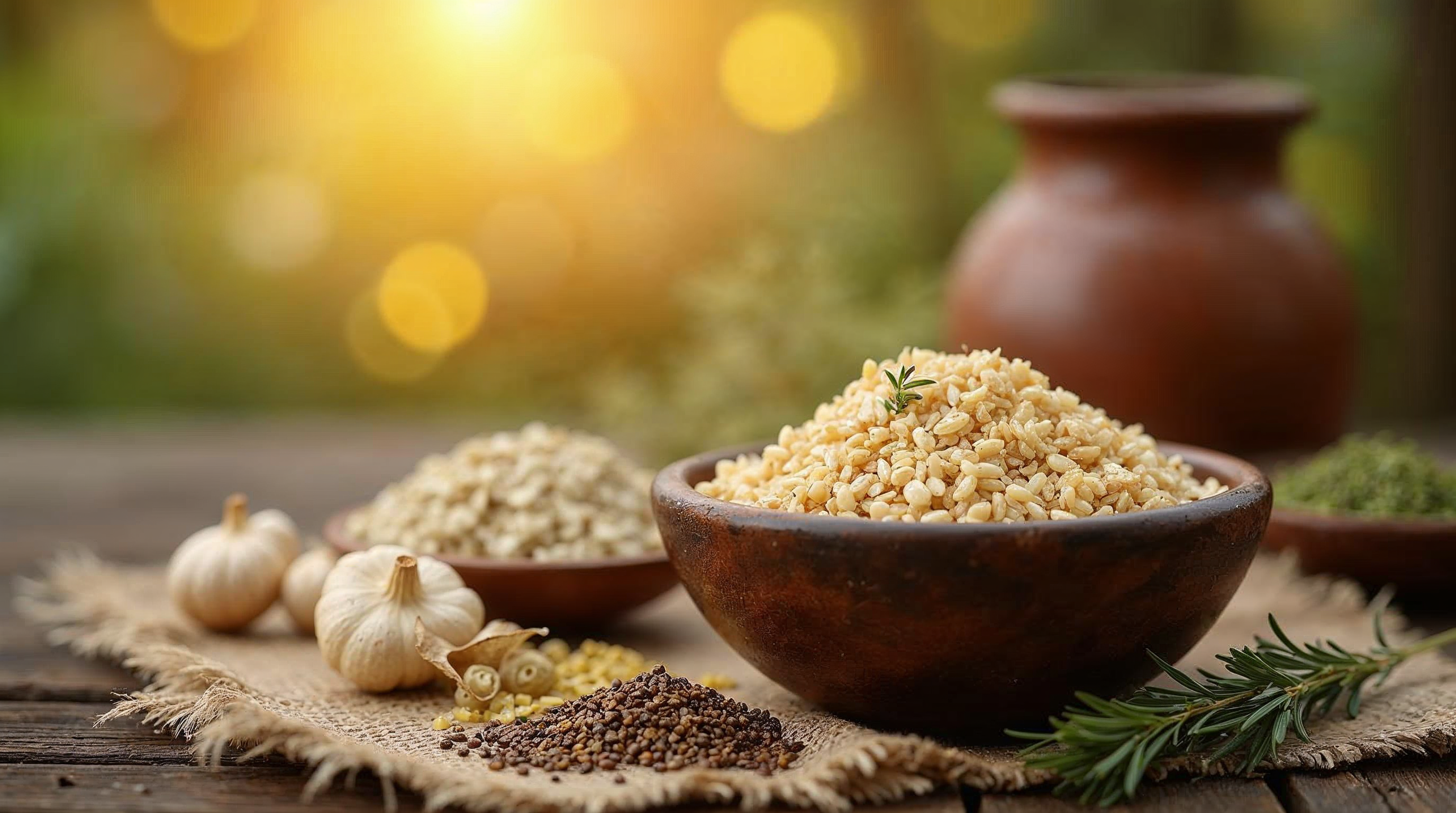
Hildegard von Bingens Dinkelrezepte für eine gesunde Verdauung
Hildegard von Bingens Dinkelrezepte » Nach Hildegard von Bingen ✓ Ohne Zusatzstoffe ✓ Biozertifiziert – Jetzt entdecken