

Henrik Aulbach ist erfahrener Gesundheitsredakteur mit über 10 Jahren Erfahrung, Experte für pflanzliche Wirkstoffe und Kultivierung, Co-Gründer, Buchautor und selbstständiger Fachtexter im Gesundheitswesen seit 2020.
Erfahren Sie hier mehr über diesen Autor.

Ursachen für Haarausfall: Was Sie dagegen unternehmen können
Haarausfall kann unterschiedliche Formen annehmen. Wie wichtig einem das eigene Haar ist, merkt man oft erst, wenn plötzlicher Haarausfall auftritt. Als Alopezie bezeichnet man diese Erkrankung, ge...
Haarausfall kann unterschiedliche Formen annehmen. Wie wichtig einem das eigene Haar ist, merkt man oft erst, wenn plötzlicher Haarausfall auftritt. Als Alopezie bezeichnet man diese Erkrankung, gegen welche wir mittlerweile Mittel haben. Dieser Artikel kann Ihnen als erste Orientierung dienen, anschließend sollten Sie sich in ärztliche Behandlung begeben.

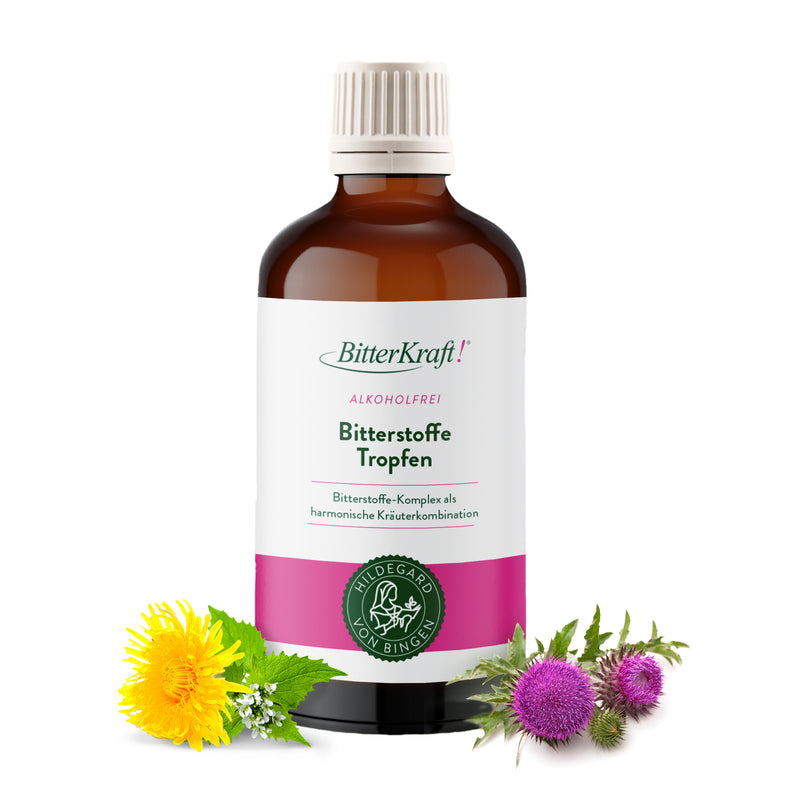
Hildegards Tipp:
- Wertvolle Bitterstoffe nach Hildegard Von Bingen
- Rezeptur auf Basis von 800 Jahren Klosterwissen
- Bitterkraft - der Pionier seit 1996 von 4.000 Heilpraktikern verwendet!
- Beste Naturheilkunde: Bio & vegan
Haarausfall erkennen
Jeder Mensch verliert täglich zwischen 60 und 100 Haaren, das gilt als komplett normal. Sobald Sie meinen, noch mehr Haare zu verlieren, könnten Sie an Haarausfall leiden. Sie merken das meistens daran, dass Ihre Haarbürste bereits nach wenigen Durchgängen voller Haare ist und gereinigt werden muss. Das Kopfhaar wird mit der Zeit dünner, weil nicht ausreichend neue Haare nachwachsen.
Während sich bei Männern oft die „Geheimratsecken” ausbilden und bis zu einer Glatze ausweiten können, bemerken Frauen Haarausfall im Scheitelbereich. Am häufigsten tritt der kreisrunde Haarausfall auf, der sich durch die Entstehung eines Haarkranzes auszeichnet. Ansonsten liegt in der Regel diffuser Haarausfall vor.

Mögliche Ursachen für Haarausfall
Haarausfall kann zahlreiche Ursachen haben. Erst einmal möchten wir anmerken, dass der menschliche Haarausfall mit dem Jahreszyklus variieren kann. Wenn Sie also im Herbst vermehrt Haarausfall bemerken, muss das nicht zwangsläufig auf Alopezie hindeuten.
Ansonsten ist Haarausfall oft auf genetische Faktoren zurückzuführen. Es lohnt sich also der prüfende Blick in die Familie, ob hier Haarausfall öfter auftritt. Dann haben Sie ggf. die Ursache für Ihren Haarausfall erkannt.
Hormonelle Veränderungen können insbesondere bei Frauen in den Wechseljahren oder nach dem Absetzen der Pille Haarausfall hervorrufen. Schwangerschaft und Stillzeit sind zwei weitere kritische Zeitpunkte, in denen vermehrt Haarausfall auftreten kann.
Eine falsche Ernährung, Medikamente und Umweltgifte könnten darüber hinaus das vermehrte Ausfallen von Haaren bedingen. Nehmen Sie Medikamente ein, können Sie Rücksprache mit Ihrem Arzt halten. Dieser kann ggf. Alternativen vorschlagen, welche Ihre Haarpracht bestehen lassen. Liegt eine falsche Ernährung vor, könnten ein Ernährungsberater oder Arzt die Schwachstellen erkennen.
Falsche Haarpflege kann ebenfalls zu Haarausfall führen. Speziell zu aggressive Shampoos und Stylingprodukte sind hier zu nennen. Oft sind es die chemischen Bestandteile, weshalb sich der Wechsel auf Naturkosmetik lohnen kann. Im Übrigen können auch zu hart gezogene Pferdeschwänze auf Dauer für Haarausfall sorgen, weil die Haarwurzeln zu stark belastet werden. Wir fassen die möglichen Formen von Haarausfall nochmal zusammen:
- Androgenetische Alopezie (hormonbedingter Haarausfall)
- Alopecia areata (kreisrunder Haarausfall)
- Telogenes Effluvium (temporärer Haarausfall)
- Traktionsalopezie (bspw. durch hart gezogene Pferdeschwänze)
- Anagenes Effluvium (bspw. durch Chemotherapie)
- Scarring Alopecia (durch Infektionen oder Entzündungen)
Eine eindeutige Ursache festzulegen, ist oft leider nicht möglich. Zudem kann das Zusammenspiel mehrerer Faktoren den Haarausfall auslösen. In jedem Fall lohnt sich also der Arztbesuch.
Herkömmliche Behandlungsmethoden von Haarausfall
Betroffene von Haarausfall greifen immer öfter auf Naturkosmetik zurück, um den Haarausfall schonend zu bekämpfen. Naturstoffe gehören jedoch nicht zu den herkömmlichen Behandlungsmethoden.
In erster Linie wird ein Arzt versuchen, die Ursache zu ergründen. Liegen gewisse Nährstoffmängel vor, welche den Haarausfall auslösen, sollten diese behoben werden. Sorgen Medikamente für den Haarausfall, sollten diese ausgetauscht werden.
Die medikamentöse Behandlung erfolgt meistens mit Minoxidil. Dieses Mittel senkt den Blutdruck und kann bei erblichem Haarausfall helfen, dass vermehrt neue Haare nachwachsen. Kortison wird gelegentlich bei kreisrundem Haarausfall auf die betroffene Stelle aufgetragen.
Bei Frauen können Anti-Androgene gegen hormonbedingten Haarausfall helfen, etwa bei Betroffenen des PCO-Syndroms. Diese blockieren die Wirkung von männlichen Hormonen auf die Haarwurzeln, wodurch das Haarwachstum angeregt werden könnte.
Estradiol gegen Haarausfall kann ebenfalls bei Frauen sinnvoll sein, das sollte mit einem Arzt besprochen werden. Vitamin D, Zink gegen Haarausfall und Progesteron könnten ebenfalls Möglichkeiten sein. Klären Sie diese mit einem Arzt, um plötzlichen Haarausfall bei Frauen ggf. einzudämmen.
Die Haartransplantation sieht man im Internet immer häufiger. Meistens werden Haare vom Hinterkopf auf die kahlen Stellen transplantiert.

Behandlung mit Naturprodukten
Oft lohnt es sich, von harten chemischen Haarpflegeprodukten auf natürliche Kosmetik zu wechseln. Die natürlichen Inhaltsstoffe können schonender für die Kopfhaut sein, wodurch sich ggf. der Haarausfall eindämmen ließe. Wissenschaftliche Forschung hierzu liegt jedoch nicht vor.
Eine Untersuchung vom Forscherteam rund um Dr. Jérémy Chéret [1] hat den Einfluss von Sandelholzöl bzw. den darin enthaltenen Duftstoffen auf Haarausfall untersucht. Hierbei haben sich Hinweise gezeigt, dass die Lebensdauer der Haare verlängert werden könnte. Darum wird in der Naturkosmetik Sandelholzöl bei Haarausfall empfohlen, weitere Forschung muss diese Wirkung noch belegen.
Als ein weiterer natürlicher Wirkstoff könnte Hirse-Extrakt mit Miliacin dienen [2]. Dieses könnte das Zellwachstum der Haarwurzeln steigern und somit Haarausfall vorbeugen. Besprechen Sie diese Option idealerweise mit einem Arzt oder Heilpraktiker.
Klettenwurzel-Extrakt könnte ebenfalls bei Haarausfall helfen. Besprechen Sie diese Option ebenfalls mit Ihrem Arzt, weil nur sehr wenig Forschung vorliegt.
Rosmarinöl wird ebenfalls häufig als natürliches Mittel gegen Haarausfall angepriesen. Hierfür liefert die Forschung auch gewisse Hinweise [3], genau belegt ist die Wirkweise allerdings nicht. Darum wird Rosmarinöl oft als ergänzende Therapie eingesetzt.
Knackpunkt Ernährung
Immer mehr Nahrungsergänzungsmittel gegen Haarausfall lassen sich vorfinden. Deren Wirksamkeit ist jedoch in keiner Weise belegt, weshalb Sie sich das Geld auch sparen können. Wenn Ihr Arzt einen Nährstoffmangel für den Haarausfall verantwortlich macht, wird er Ihrem Bedarf entsprechend spezifische Nahrungsergänzungen verschreiben. Die Einnahme teurer Nahrungsergänzungsmittel gegen Haarausfall, ohne einen solchen Anlass, können Sie sich gerne sparen. Sprüche wie „Vitamin B12 und die Haare wachsen wieder.” stimmen schlichtweg nicht.
Eine ausgewogene Ernährung gegen Haarausfall könnte jedoch helfen, diesen einzudämmen. Falls Sie sich bisher also eher einseitig ernährt haben, könnte ein wenig mehr Variation auf dem Teller hilfreich sein.
Ursachen für Haarausfall: Häufig gestellte Fragen
Haarausfall: Welche Vitamine fehlen?
Biotin ist ein Vitamin, welches der menschliche Körper zum Herstellen von Keratin braucht. Keratin ist wiederum der Stoff, aus dem die Haare gefertigt werden. Darum wird Biotin häufig Nahrungsergänzungsmittel gegen Haarausfall beigefügt. Liegt im Übrigen ein Mangel an Biotin vor, fehlt es häufig auch an weiteren B-Vitaminen, insbesondere an Vitamin B12. Einen entsprechenden Mangel kann ein Arzt diagnostizieren.
Was fehlt dem Körper bei Haarausfall?
Zahlreiche Ursachen können Haarausfall auslösen. Am häufigsten sind es genetische Faktoren. Bemerken Sie Haarausfall, sollten Sie darum einen Arzt aufsuchen. In der modernen Medizin stehen uns mehrere Diagnosemethoden zur Verfügung, mit denen die wahre Ursache erkannt werden könnte.
Quellen
[1] https://www.nature.com/articles/s41467-018-05973-0
[2] https://pubmed.ncbi.nlm.nih.gov/31135099/
[3] https://pubmed.ncbi.nlm.nih.gov/25842469/

Über den Autor Henrik Aulbach
Weitere Artikel

Magenbitterstoffe vor dem Essen: Warum die Reihenfolge entscheidend ist
Magenbitterstoffe vor dem Essen » Nach Hildegard von Bingen ✓ Ohne Zusatzstoffe ✓ Made in Germany – Jetzt mehr erfahren

Bitterstoffreiche Smoothies: Grüne Rezepte für den Verdauungsstart am Morgen
Bitterstoff-Smoothies für den Morgen » Nach Hildegard von Bingen ✓ Vegan ✓ Ohne Zusatzstoffe – Jetzt Rezepte entdecken!

Hildegard von Bingens Dinkelrezepte für eine gesunde Verdauung
Hildegard von Bingens Dinkelrezepte » Nach Hildegard von Bingen ✓ Ohne Zusatzstoffe ✓ Biozertifiziert – Jetzt entdecken