
Henrik Aulbach ist erfahrener Gesundheitsredakteur mit über 10 Jahren Erfahrung, Experte für pflanzliche Wirkstoffe und Kultivierung, Co-Gründer, Buchautor und selbstständiger Fachtexter im Gesundheitswesen seit 2020.
Erfahren Sie hier mehr über diesen Autor.

Quitten in der Klostermedizin
Optisch zwischen Birne und Apfel angesiedelt, und doch ist die Quitte (Cydonia oblonga) hierzulande recht unbekannt. Die Pflanze, die unter anderem in Europa als Obstbaum kultiviert
Optisch zwischen Birne und Apfel angesiedelt, und doch ist die Quitte (Cydonia oblonga) hierzulande recht unbekannt. Die Pflanze, die unter anderem in Europa als Obstbaum kultiviert wird, gehört den Kernobstgewächsen an, eine Untertribus der Rosengewächse. Als Heilpflanze kennen die Menschen sie seit der Antike, inzwischen ist diese Wirkung in Vergessenheit geraten, obwohl die Quitte sehr gesund ist.

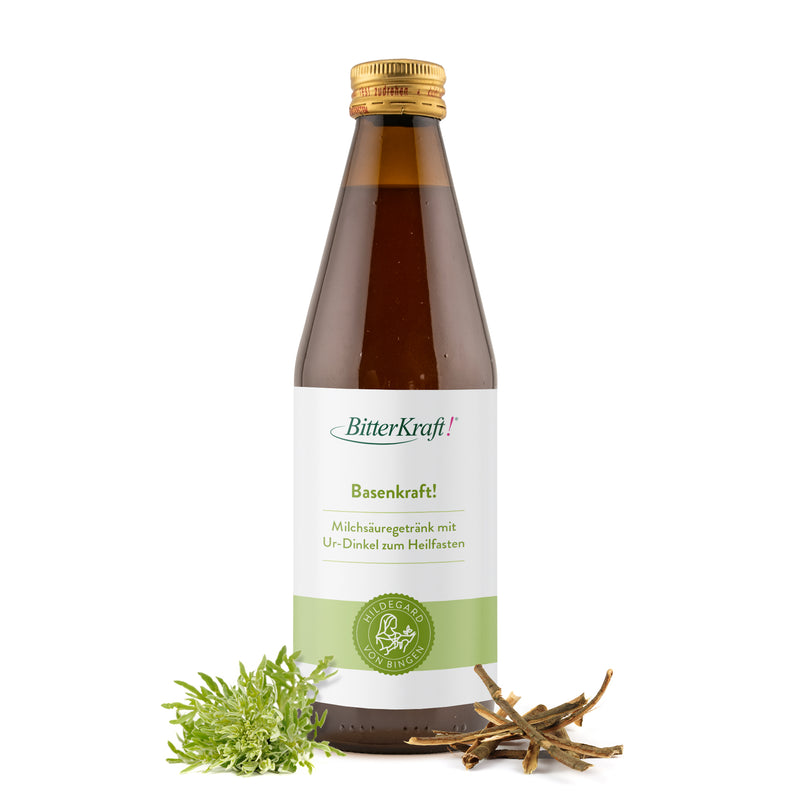
Hildegards Tipp:
- Erstklassiges Milchsäuregetränk zum Fasten
- Rezeptur auf Basis von 800 Jahren Klosterwissen
- Bitterkraft – der Pionier seit 1996 von 4.000 Heilpraktikern verwendet!
- Beste Naturheilkunde: Bio & vegan
Vorkommen von Quitten
Ursprünglich beheimatet im östlichen Kaukasus, hat sich die Quitte bald weit in den Westen und Süden hinein bis nach Syrien und Afghanistan verbreitet, wahrscheinlich mithilfe des Menschen. Heute liegt ihr Anbaugebiet größtenteils in Europa und Asien. Hierzulande gedeiht sie als wärmeliebender Strauch oder Baum in eher südlicheren Gebieten.
Wirkweise von Quitten
Die Pflanze zählt zu den ältesten bekanntesten Obstsorten und als solches gilt sie in der Ernährung als sehr gesund. Das liegt an den vielen Nährstoffen, die in den Früchten stecken. Außerdem besitzen Quitten recht wenig Kalorien – beispielsweise weniger als Äpfel. Doch Vorsicht: Roh sind nur einige Sorten genießbar. Sonst schmeckt sie im rohen Zustand eher bitter und sauer. Außerdem ist sie ungegart sehr holzig. Erleben Sie die gesunde Wirkung der Quitte lieber, indem Sie sie zu leckerer Quittenmarmelade verarbeiten. Gesund ist die Quitte auch gekocht, gebacken und gebraten. Hier gibt es zahlreiche Rezepte.
Dass die Quitte gesund ist, wussten die Menschen schon in der Antike. Schon damals nutzten die Menschen sie als Heilpflanze mit breitem Einsatzspektrum. So soll die Frucht die Verdauung unterstützen, bei Erkältungen helfen und Entzündungen der Haut heilen. Gesund wirkt die Quitte in der Volksmedizin vor allem in Form der Samen. Aber auch Blätter und Früchte entfalten die Heilkräfte.
Inhaltsstoffe von Quitten
Gesund macht die Quitte vor allem ihr reichhaltiges Arsenal an wichtigen Inhaltsstoffen. Dazu gehören Mineralstoffe und Spurenelemente wie Kalium, Zink, Eisen, Kupfer, Mangan und Fluor, aber auch viel Vitamin C, A und Folsäure. Die Frucht enthält sogar mehr Vitamin C als ein Apfel. Die Kerne weisen mit 20 Prozent einen recht hohen Anteil an Schleimstoffen auf, von denen die gesunde Wirkung ausgehen soll.
Aussehen von Quitten
Der Quittenbaum ähnelt den verwandten Äpfel- und Birnenbäumen und erreicht Wuchshöhen von drei bis acht Metern. Allerdings sind die Blüten der Quitte größer als die der bekannten Verwandten. Vier bis acht Jahre dauert es, bis der Baum erstmals Früchte trägt.
Wissenswertes über Quitten
Die Kerne der Quitte enthalten Blausäure. Aus diesem Grund sollten Sie sie auf keinen Fall zerkleinern, denn dann wird der giftige Stoff freigesetzt.

Über den Autor Henrik Aulbach
Weitere Artikel
Magenbitterstoffe vor dem Essen: Warum die Reihenfolge entscheidend ist
Magenbitterstoffe vor dem Essen » Nach Hildegard von Bingen ✓ Ohne Zusatzstoffe ✓ Made in Germany – Jetzt mehr erfahren
Bitterstoffreiche Smoothies: Grüne Rezepte für den Verdauungsstart am Morgen
Bitterstoff-Smoothies für den Morgen » Nach Hildegard von Bingen ✓ Vegan ✓ Ohne Zusatzstoffe – Jetzt Rezepte entdecken!
Hildegard von Bingens Dinkelrezepte für eine gesunde Verdauung
Hildegard von Bingens Dinkelrezepte » Nach Hildegard von Bingen ✓ Ohne Zusatzstoffe ✓ Biozertifiziert – Jetzt entdecken