

Henrik Aulbach ist erfahrener Gesundheitsredakteur mit über 10 Jahren Erfahrung, Experte für pflanzliche Wirkstoffe und Kultivierung, Co-Gründer, Buchautor und selbstständiger Fachtexter im Gesundheitswesen seit 2020.
Erfahren Sie hier mehr über diesen Autor.

Natürliche Entwässerungsmittel: Wirkung, Anwendung und Dosierung
Natürliche Entwässerungsmittel
Als natürliche Entwässerungsmittel werden Lebensmittel bezeichnet, die der Behandlung von Wassereinlagerungen dienen....

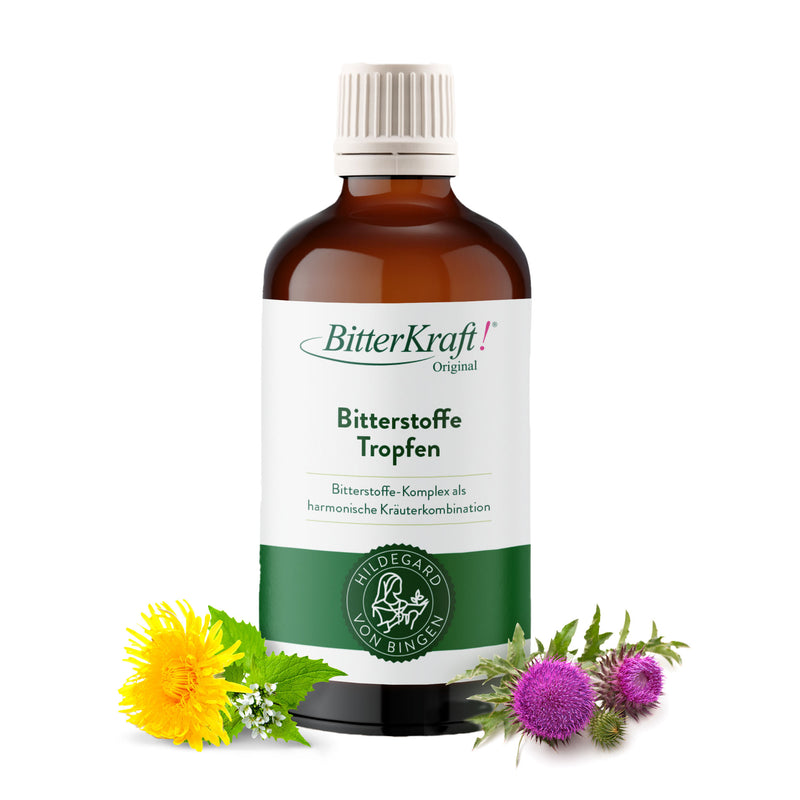
Hildegards Tipp:
- Wertvolle Bitterstoffe nach Hildegard Von Bingen
- Rezeptur auf Basis von 800 Jahren Klosterwissen
- Bitterkraft - der Pionier seit 1996 von 4.000 Heilpraktikern verwendet!
- Beste Naturheilkunde: Bio & vegan
Natürliche Entwässerungsmittel
Als natürliche Entwässerungsmittel werden Lebensmittel bezeichnet, die der Behandlung von Wassereinlagerungen dienen. So lässt sich auf ganz natürliche Art und Weise überschüssiges Wasser im Körper reduzieren, das uns fülliger aussehen lässt, als wir eigentlich sind. Ganz zu schweigen von den gesundheitlichen Konsequenzen…
Warum natürliche Entwässerungsmittel verwenden?
Zwar besteht unser Körper zu 70 Prozent aus Wasser – doch manchmal hat sich einfach zu viel davon eingelagert, sodass natürliche Entwässerungsmittel Abhilfe bringen können. Bemerkbar machen sich solche Wassereinlagerungen, Ödeme, in Form von angeschwollenen Extremitäten, also Händen, Füßen, Armen und Beinen. Sie entstehen, wenn sich Wasser im Körper ansammelt und anstaut. Die Ödeme sind nicht nur unansehnlich – gerade im Sommer – sondern können auch Schmerzen bereiten. In diesem Fall kann es sich lohnen, den Körper zu entwässern. Besonders schonend gelingt diese mit natürlichen Entwässerungsmitteln.
Wann natürliche Entwässerungsmittel nutzen?
Immer mehr Menschen kämpfen mit Wassereinlagerungen (im Unterkörper). Grundlage hierfür ist zumeist eine Kombination aus stundenlangem Sitzen am Arbeitsplatz und zu wenig Bewegung. Unter Wassereinlagerungen leiden vor allem Frauen, denn viele Ursachen sind auf Frauenleiden zurückzuführen:
- hormonelle Schwankungen, primär als prämenstruelles Syndrom (PMS)
- am Ende der Schwangerschaft, auch hormonell bedingt
- zu langes Sitzen und Bewegungsmangel
- Hitze, durch die sich die Venen weiten und das Blut deshalb langsamer fließt
- Falsche Ernährung, bei der Lebensmittel wie Salz und Zucker das Wasser binden
Bevor Sie allerdings natürliche Entwässerungsmittel nutzen, sollten Sie die Ursache unbedingt ärztlich abklären lassen. Denn hinter geschwollenen Händen, Füßen und Beinen können auch ernsthafte Erkrankungen stecken. Liegen Ihren Wassereinlagerungen jedoch keine Krankheiten zugrunde, können Sie meistens auf Tabletten verzichten und natürliche Mittel zur Entwässerung zurate ziehen.
Den Körper mit natürlichen Mitteln entwässern sollten Sie nur, sofern die Ödeme vorübergehender Natur sind. Wenn die Einlagerungen zyklusbedingt auftreten oder vermutlich großer Hitze geschuldet sind, können natürliche Entwässerungsmittel gute Erfolge erzielen.
Andererseits können Wassereinlagerungen durch Herz- oder Nierenschwäche zustande kommen. Darum ist es von höchster Bedeutung, dass Sie einen Arzt aufsuchen, um die Ursachen der Ödeme abzuklären.
Sanfte Wirkweise für einen leichten Abgang
Das Gute an natürlichen Entwässerungsmitteln ist ihre sanfte Wirkweise: Sie setzen lediglich körpereigene Prozesse in Gang. Die Ananas als natürliches Entwässerungsmittel wirkt beispielsweise harntreibend. Dabei haben die einzelnen Entwässerungsmittel im Detail ihre eigenen Wege, um Ödeme zu entwässern.
Das sind natürliche Entwässerungsmittel
Natürliche Entwässerungsmittel helfen, das im Körper angestaute Wasser freizusetzen. Bei Wassereinlagerungen, die durch falsche Ernährung bedingt sind, empfiehlt sich eine Ernährungsumstellung, indem Sie auf Salz und Zucker verzichten. Auch übermäßiger Alkoholverzehr kann problematisch sein, da Alkohol den Körper dazu bringt, Wasser speichern zu wollen. Durch die zahlreichen Toilettengänge wird jedoch das genaue Gegenteil erreicht.
Das natürliche Entwässerungsmittel der ersten Wahl ist Wasser. Das klingt paradox, aber Wasser kurbelt den Stoffwechsel und die Nierentätigkeit an, sodass vermehrt Gewebsflüssigkeit ausgeschieden wird.
Weitere natürliche Entwässerungsmittel stellen bestimmte Lebensmittel dar. Das sind einerseits solche, die einen hohen Wasseranteil aufweisen, und andererseits solche, die den Körper auf natürliche Art und Weise entwässern.
Gurke und Melone gehören beispielsweise zu den Lebensmitteln, die viel Wasser enthalten. Deshalb wirken Sie im Sommer nicht nur erfrischend, sondern auch als natürliche Entwässerungsmittel. Des Weiteren gehören in diese Reihe Tomaten, Kürbis, Spargel und Zucchini.
Manche Lebensmittel leiten die Entwässerung durch ihre Inhaltsstoffe ein. Rote Beeren, Erdbeeren, Johannisbeeren, Trauben und Heidelbeeren sind beispielsweise voller Flavonoide, die das Blut wässriger machen. Dadurch sind sie ideale natürliche Entwässerungsmittel. Das viele Kalium, das in der Sellerie steckt, schwemmt zusätzlich Giftstoffe aus dem Gewebe. Natürliche Entwässerungsmittel sind auch Lebensmittel mit Magnesium oder Vitamin B6.
Ebenso können Tees die Entwässerung unterstützen. Typische derartige natürliche Entwässerungsmittel sind Brennnessel und Petersilie.
Sie können allgemein darauf achten, weniger Kohlenhydrate aufzunehmen. Diese werden in den Muskeln und der Leber als Glykogen gespeichert und binden hierfür eine Menge Wasser. Ein Gramm Glykogen kann etwa drei Gramm Wasser binden.
Dass von Kaffee eine entwässernde Wirkung ausgeht, ist in die Kategorie der Mythen zu ordnen.
Grob gesagt brauchen Sie Aquaretika. Aquaretika sind pflanzliche Präparate, welche den Körper bei der Wasserausscheidung unterstützen sollen, etwa die oben genannten natürlichen Entwässerungsmittel. Diuretika sind Arzneimittel, welche direkt die Ausschwemmung von Wasser fördern sollen. Aquaretika eignen sich also hervorragend für den langwierigen Gebrach bei Ödemen, denen keine Krankheit zugrunde liegt. Diuretika werden dem entgegen bei Krankheiten eingesetzt, wo eine schnelle und akute Entwässerung erwünscht ist.
Aquaretika sind:
Wasser
Natürliche Lebensmittel mit hohem Wasseranteil (bspw. Gurken und Melonen)
Entwässernde Lebensmittel wie Rote Beeren, Johannisbeeren oder Heidelbeeren
Tees
Sport und Bewegung zur Entwässerung
Recht häufig ist der Unterkörper von Ödemen betroffen. Bemerken Sie Wassereinlagerungen in Ihren Beinen, können Sport und Bewegung eine gute erste Wahl sein. Meistens reicht bereits ein einfacher Spaziergang aus, den Sie bei regelmäßig vorkommenden Ödemen gerne regelmäßig durchführen können. Joggen und Radfahren können ebenfalls gegen Wassereinlagerungen helfen und unterstützend zu den natürlichen Entwässerungsmitteln wirken.
Wenn Sie öfter Ödeme bemerken, sollten Sie darauf achten, sich im Alltag mehr zu bewegen. Darunter sind nicht Sporteinheiten zu verstehen. Es reicht, bspw. öfter vom Schreibtisch aufzustehen und durch die eigene Wohnung zu laufen. Auch das Wippen mit den Zehenspitzen im Sitzen fördert bereits den Rückfluss von Flüssigkeit aus den Beinen. Diese bewegungstechnischen Maßnahmen in Verbindung mit natürlichen Entwässerungsmitteln können Sie weit bringen.
Besondere Methoden der Entwässerung
Neben der Ernährung und Bewegung können Sie durch gezielte Methoden die Entwässerung weiter voranbringen. Wenn die Wasseransammlungen bereits Schmerzen verursachen und recht stark geworden sind, können Lymphdrainagen nötig werden. Hierbei stimuliert man leicht die Lymphbahnen, da diese für den Abtransport von Gewebeflüssigkeit verantwortlich sind. Diese Methode muss von Fachkräften durchgeführt werden.
Fußreflexzonenmassagen können ebenfalls das Lymphsystem stimulieren und eine Entwässerung fördern.
Faszienrollen können die Entwässerung gewisser Körperteile unterstützen. Wenn man damit Muskeln bzw. Faszien ausrollt, quetscht man aus ihnen Flüssigkeit, was man sich ein wenig wie einen Schwamm vorstellen kann. Sie regen also erneut durch Faszienrolle den Rückfluss von Gewebeflüssigkeit an.
Professionelle Entwässerung für Wettkämpfe: Zu viel des Guten
Wer einmal Bodybuilder auf der Bühne gesehen hat oder Kampfsportler beim Wiegen, hat massiv dehydrierte und entwässerte Sportler gesehen. Vor vielen Wettkämpfen besteht die Tradition, sich zu entwässern. Wahlweise geht es darum, möglichst viel an Gewicht zu verlieren oder darum, möglichst gut auszusehen.
Die Entwässerung findet dann bspw. durch Schwitzanzüge aus Kunststoff statt, die während des Sports getragen werden. Viele Saunagänge und eine Menge Sport gehören ebenfalls dazu. Oftmals ändern Sportler ihre Ernährung, bspw. was den Salzgehalt angeht, um möglichst gut zu entwässern.
Praktisch ist immerhin, dass solche Entwässerungen nur kurzweilig sind. Mehrere Kilogramm an Wasser, die der Sportler verloren hat, kann er binnen weniger Tage wieder gewinnen.
Diuretika: Wenn der Arzt nachhelfen muss
Wenn Ihren Wassereinlagerungen eine Krankheit zugrunde liegt, helfen ggf. keine natürlichen Entwässerungsmittel mehr. Dann müssen pharmazeutische Präparate eingesetzt werden, die man als Diuretika bezeichnet. Sie erhöhen nachweislich die Harnproduktion und die Ausscheidung von Harn, damit Ihr Körper auch aus den letzten Ödemen Wasserreserven ziehen muss.
Natürliche Entwässerungsmittel: Häufig gestellte Fragen
Welche Lebensmittel wirken entwässernd?
Insbesondere Lebensmittel mit hohem Wasseranteil können entwässernd wirken. Hierzu gehören:
- Gurken
- Melonen
- Ananas
- Erdbeeren
- Spargel
- Artischocken
- Zwiebeln
- Knoblauch
- Möhren
- Avocados
- Kartoffeln
- Reis
- Himbeeren
- Birnen
Welche Tees sind für die Entwässerung geeignet?
Tees werden besonders gerne zur Entwässerung eingesetzt. Hierzu gehören Tees aus Birkenblättern, Wacholder, Goldrute, Löwenzahn, Ingwer und Petersilie. Gerne können Sie auch auf grünen Tee setzen. Einige kochen einen Ananastee auf, weil das Bromelain der Ananas entwässernd wirken kann.
Gibt es Risiken oder Nebenwirkungen bei der Verwendung natürlicher Entwässerungsmittel?
Solange Sie lediglich natürliche Nahrungsmittel zur Entwässerung zu sich nehmen und ausreichend Wasser trinken, gibt es keine Risiken und Nebenwirkungen beim Gebrauch natürlicher Entwässerungsmittel. Ungesund werden entwässernde Methoden erst, wenn man professionelle Methoden von Sportlern aufgreift.
Wie lange dauert es, bis natürliche Entwässerungsmittel wirken?
Da wir hier lediglich Methoden mit Aquaretika vorschlagen, ist die Dauer bei jedem Menschen anders. Je nach Stand der Wassereinlagerung kann ein Ödem bereits nach einem Tag weg sein. Diuretika können zuverlässig innerhalb von rund einer Woche die meisten Ödeme beseitigen.
Sind natürliche Entwässerungsmittel für jeden geeignet?
Natürliche Entwässerungsmittel sind in erster Linie herkömmliche Lebensmittel. Damit die Entwässerung jedoch nicht zu Konsequenzen in Bezug auf Vorerkrankungen oder dergleichen führt, sollten Sie bestenfalls Rücksprache mit einem Arzt halten, bevor Sie eine Entwässerung ausprobieren.

Über den Autor Henrik Aulbach
Weitere Artikel
Magenbitterstoffe vor dem Essen: Warum die Reihenfolge entscheidend ist
Magenbitterstoffe vor dem Essen » Nach Hildegard von Bingen ✓ Ohne Zusatzstoffe ✓ Made in Germany – Jetzt mehr erfahren
Bitterstoffreiche Smoothies: Grüne Rezepte für den Verdauungsstart am Morgen
Bitterstoff-Smoothies für den Morgen » Nach Hildegard von Bingen ✓ Vegan ✓ Ohne Zusatzstoffe – Jetzt Rezepte entdecken!
Hildegard von Bingens Dinkelrezepte für eine gesunde Verdauung
Hildegard von Bingens Dinkelrezepte » Nach Hildegard von Bingen ✓ Ohne Zusatzstoffe ✓ Biozertifiziert – Jetzt entdecken