

Henrik Aulbach ist erfahrener Gesundheitsredakteur mit über 10 Jahren Erfahrung, Experte für pflanzliche Wirkstoffe und Kultivierung, Co-Gründer, Buchautor und selbstständiger Fachtexter im Gesundheitswesen seit 2020.
Erfahren Sie hier mehr über diesen Autor.

Entzündungshemmende Ernährung: Top 10 entzündungshemmende Lebensmittel
Chronische Entzündungsprozesse im Körper bedingen zahlreiche Probleme. Neuerer Forschung nach ist etwa die Ausbildung von Krankheiten wie Demenz auf das erhöhte Vorkommen von Entzündungsstoffen im ...
Chronische Entzündungsprozesse im Körper bedingen zahlreiche Probleme. Neuerer Forschung nach ist etwa die Ausbildung von Krankheiten wie Demenz auf das erhöhte Vorkommen von Entzündungsstoffen im Gehirn ab dem Alter von 30 Jahren zurückzuführen. Vorbeugen lassen sich solche schleichenden Entzündungen mit der richtigen Ernährung.

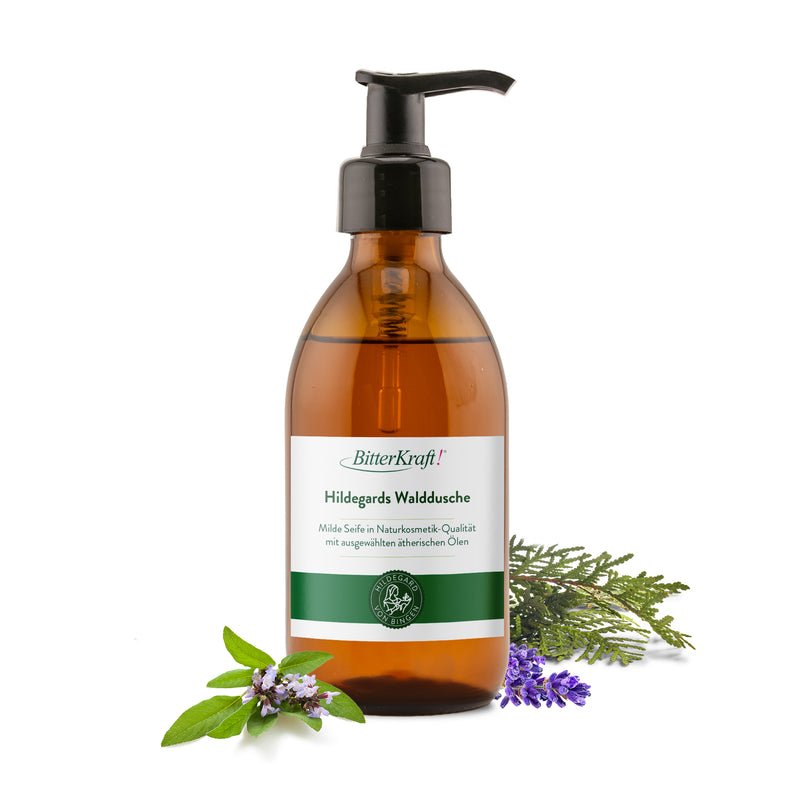
Hildegards Tipp:
- Milde Seife in Naturkosmetik-Qualität mit ausgewählten ätherischen Ölen
- Rezeptur auf Basis von 800 Jahren Klosterwissen
- Von 4.000 Heilpraktikern verwendet
- Beste Naturheilkunde: Bio & vegan
Stille Entzündungen im Körper
Chronische Entzündungen im Körper bedingen zahlreiche Krankheiten. Sie entwickeln sich meistens unbemerkt und schleichend, bis sie chronisch und nur schwer oder gar nicht heilbar sind. Folgende Krankheiten werden mit chronischen Entzündungsprozessen in Verbindung gebracht:
- Arteriosklerose
- Diabetes Typ 2
- Gicht
- Krankheiten des Verdauungssystems
Begünstigt werden solche Krankheiten maßgebend durch einen falschen Lebensstil. Zu wenig Bewegung, Rauchen, Alkoholkonsum, Stress und eine ungesunde Ernährung sind die wichtigsten Faktoren. Praktisch ist hieran, dass diese Faktoren voll und ganz in Ihrer Gewalt liegen. Sie können sich also mehr bewegen, gesünder essen, sich weniger Stress aussetzen und mit dem Rauchen und übermäßigen Trinken aufhören, um Entzündungen vorzubeugen.
Als „falsche” Ernährung bezeichnet man in diesem Zusammenhang zu viel Snacks und Süßzeug, zusammen mit Weizen und rotem Fleisch. Auf diese Nahrungsmittel sollten Sie möglichst für eine entzündungsarme Ernährung verzichten.

Antientzündliche Ernährung: Worauf es ankommt
Eine antientzündliche Ernährung verzichtet weitgehend auf entzündungsfördernde Lebensmittel und setzt stattdessen auf entzündungshemmende Pflanzen und Lebensmittel.
Entzündungshemmende Lebensmittel zeichnen sich durch ihre gesunden Bestandteile aus. So sind Omega-3-Fettsäuren entzündungshemmend. Eine erhöhte Zufuhr dieser Fettsäuren optimiert das körpereigene Verhältnis von Omega-6- zu Omega-3-Fettsäuren, wodurch weniger Entzündungen auftreten können.
Antioxidantien sind ebenfalls ein wichtiger Bestandteil entzündungshemmenden Ernährung. Indem Sie Freie Radikale abfangen, bevor diese Schäden an Gewebe anrichten und somit ggf. Entzündungen verursachen können.
Neben gesunden Quellen für Omega-3-Fettsäuren wie Fischen sind hauptsächlich pflanzliche Lebensmittel entzündungshemmend. Eine Auswahl der vermutlich wichtigsten entzündungshemmenden Lebensmittel finden Sie weiter unten vor.
Es lohnt sich, einen Ernährungsberater oder eine ärztliche Fachkraft zurate zu ziehen. Jeder Mensch hat individuelle Ansprüche, weshalb für Sie ggf. besondere Bedingungen gelten.

Top 10 entzündungshemmende Lebensmittel
Neben den 10 nachführend genannten entzündungshemmenden Lebensmitteln gibt es natürlich noch zahlreiche weitere. Wir haben diese 10 Lebensmittel zusammengetragen, um Ihnen den Einstieg in eine entzündungshemmende Ernährung zu erleichtern.
- Vollkornprodukte: Raffinierte Kohlenhydrate können Entzündungen begünstigen. Vollkornprodukte mit mehr Ballaststoffen, Nährstoffen und entzündungshemmenden Inhaltsstoffen sind diesen einfachen Kohlenhydraten klar zu bevorzugen.
- Wasser: Ihr Körper benötigt ordentlich Wasser, um entzündungsfördernde Stoffe auszuschwemmen und Entzündungen zu bekämpfen. Sie können das Wasser gerne mit Tees aus Kräutern versetzen, um weitere entzündungshemmende Stoffe aufzunehmen.
- Lauch- und Zwiebelgemüse: Bereits Hildegard von Bingen empfahl Lauch- und Zwiebelgemüse für zahlreiche Zwecke, wobei sie insbesondere gekochtes Gemüse als wohltuend ansah. Heute wissen wir, dass gegart oder roh besser ist. Zahlreiche Mineralstoffe (etwa Natrium, Kalium, Magnesium etc.) sowie Vitamine weisen diese Gemüsearten auf. Rote Zwiebel hat viel Anthocyan, welches antioxidativ wirkt. Die Sulfide sind ebenfalls von besonderer Bedeutung.
- Brokkoli: Dieses Gemüse, welches viele Kinder als ihren Erzfeind betrachten, enthält viele Senfölglykoside. Weitere sekundäre Pflanzenstoffe machen Brokkoli zu einem guten Helfer gegen Entzündungen.
- Kurkuma: Dieses Gewürz enthält einen entzündungshemmenden Wirkstoff namens Curcumin. Bauen Sie Kurkuma gerne öfter in Ihre Ernährung ein.
- Ingwer: Dieser Wurzelstock wird aufgrund seiner antioxidativen und entzündungshemmenden Eigenschaften häufig empfohlen, etwa in der Form von Ingwer-Shots. Tatsächlich ist Ingwer ein hochwertiger Bestandteil einer entzündungshemmenden Ernährung.
- Beeren: Insbesondere die gesunden Flavonoide (Pflanzenfarbstoffe) können gegen Entzündungen helfen. Hier ist erneut das Anthocyane aufzuführen.
- Nüsse: Möglichst natürliche und unbearbeitete Nüsse kombinieren gesunde Fette, Antioxidantien und Vitamine sowie Mineralien. Besonders als entzündungshemmender Snack sind Nüsse zu empfehlen.
- Olivenöl: Olivenöl enthält zwar nicht sonderbar viele Omega-3-Fettsäuren. Dafür basieren die entzündungshemmenden Eigenschaften auf anderen Inhaltsstoffen, etwa den Polyphenolen. Darum lässt sich Olivenöl bestens empfehlen.
- Leinsamen: Neben Omega-3-Fettsäuren enthalten Leinsamen Lignanen, welche entzündungshemmend wirken können. Als sehr netten Nebeneffekt können Leinsamen die Darmgesundheit aufgrund der enthaltenen Ballaststoffe verbessern.
Entzündungshemmende Ernährung: Häufig gestellte Fragen
Was hilft gegen Entzündungen im Körper?
Hohe Entzündungswerte sind häufig auf den Lebensstil zurückzuführen. So sind Bewegungsmangel, eine falsche Ernährung, Stress und Tabak- sowie Alkoholkonsum typische Ursachen für hohe Entzündungswerte. Sie haben es also in der Hand, die Entzündungen zu reduzieren und ihre Lebensweise anzupassen. Sie sollten:
- Für weniger Stress sorgen
- Sich mehr bewegen
- Sich besser ernähren (siehe Liste oben)
- Keinen Tabak und weniger Alkohol konsumieren
Wie bekommt man Entzündungen aus dem Körper?
Haben Sie eine (chronische) Entzündung im Körper, sollte diese ärztlich behandelt werden. Geringere Entzündungswerte bzw. weniger ständige Entzündungen im Körper könnten durch die nachfolgenden Knackpunkte erreicht werden:
- Gesunde Ernährung: Entzündungshemmende Stoffe, weniger verarbeitete Lebensmittel und Omega-3-Fettsäuren sind wichtige Punkte.
- Sport und Bewegung: Bewegungsmangel kann die Entzündungswerte erhöhen, bringen Sie Ihren Kreislauf in Schwung!
- Ausreichend Schlaf: Wenig Schlaf kann es dem Körper erschweren, Entzündungen abzubauen.
- Stressmanagement: Viel Stress begünstigt Entzündungen im Körper. Reduzieren Sie effektiv den Stress in Ihrem Alltag.
- Gewichtskontrolle: Übergewicht begünstigt chronische Entzündungen.
- Rauchen und Alkohol: Verzichten Sie möglichst auf beides, um Entzündungen einzudämmen.
Helfen pflanzliche Mittel gegen Entzündungen im Körper?
Pflanzliche Mittel können entzündungshemmende Stoffe wie Flavonoide enthalten, weshalb sie sinnvoll sein können. Idealerweise besprechen Sie mit einem Ernährungsberater oder Arzt, welche pflanzlichen Lebensmittel sich für Sie empfehlen lassen. Weizen und andere Getreidesorten könnten etwa Entzündungen begünstigen.

Über den Autor Henrik Aulbach
Weitere Artikel
Magenbitterstoffe vor dem Essen: Warum die Reihenfolge entscheidend ist
Magenbitterstoffe vor dem Essen » Nach Hildegard von Bingen ✓ Ohne Zusatzstoffe ✓ Made in Germany – Jetzt mehr erfahren

Bitterstoffreiche Smoothies: Grüne Rezepte für den Verdauungsstart am Morgen
Bitterstoff-Smoothies für den Morgen » Nach Hildegard von Bingen ✓ Vegan ✓ Ohne Zusatzstoffe – Jetzt Rezepte entdecken!
Hildegard von Bingens Dinkelrezepte für eine gesunde Verdauung
Hildegard von Bingens Dinkelrezepte » Nach Hildegard von Bingen ✓ Ohne Zusatzstoffe ✓ Biozertifiziert – Jetzt entdecken