

Henrik Aulbach ist erfahrener Gesundheitsredakteur mit über 10 Jahren Erfahrung, Experte für pflanzliche Wirkstoffe und Kultivierung, Co-Gründer, Buchautor und selbstständiger Fachtexter im Gesundheitswesen seit 2020.
Erfahren Sie hier mehr über diesen Autor.

Wald-Engelwurz: Das Wichtigste im Ueberblick
Vorkommen von Wald-Engelwurz
Die Wald-Engelwurz (Angelica sylvestris) ist ein Doldenblütler, der in Europa und damit auch in Deutschland heimisch ist. Die Pflanze hat sich bis nac...

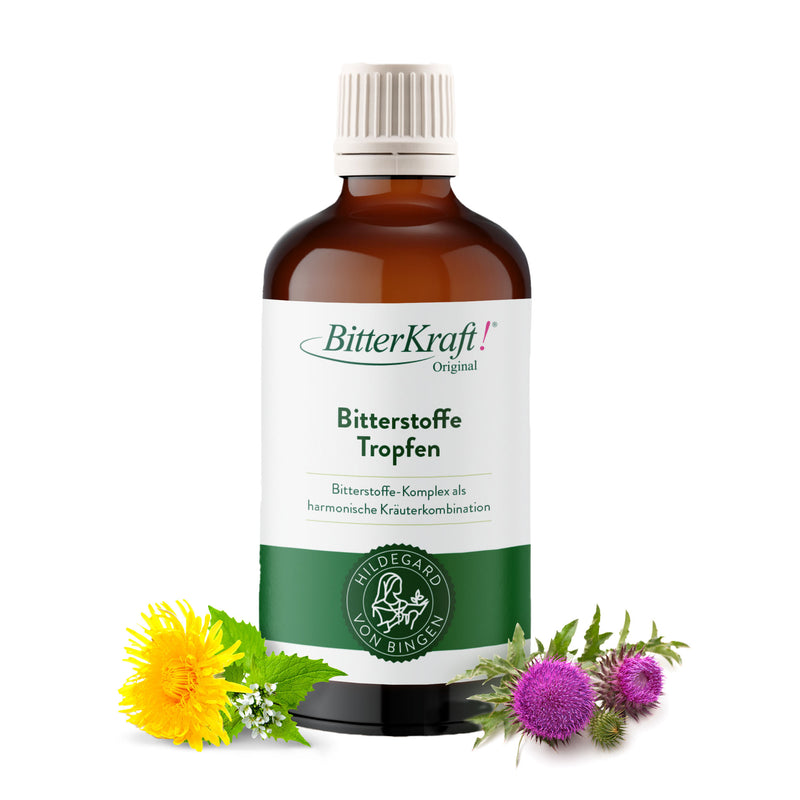
Hildegards Tipp:
- Wertvolle Bitterstoffe nach Hildegard Von Bingen
- Rezeptur auf Basis von 800 Jahren Klosterwissen
- Bitterkraft – der Pionier seit 1996 von 4.000 Heilpraktikern verwendet!
- Beste Naturheilkunde: Bio & vegan
Vorkommen von Wald-Engelwurz
Die Wald-Engelwurz (Angelica sylvestris) ist ein Doldenblütler, der in Europa und damit auch in Deutschland heimisch ist. Die Pflanze hat sich bis nach Kanada, Sibirien und dem nordwestlichen China ausgebreitet.
Anzutreffen ist sie vor allem im Halbschatten auf nassen und nährstoffreichen Böden. Deshalb liebt sie Auenwälder und feuchte Waldgebiete, tummelt sich aber auch an Uferstreifen und auf nassen Wiesen. Waldlichtungen sind Ihre beste Chance, die Wald-Engelwurz zu finden.
Wirkweise von Wald-Engelwurz
Die Volksmedizin schätzt die Wirkung der Wald-Engelwurz. So soll sie sanfte Unterstützung für Magen und Darm bieten, indem sie eine funktionierende Verdauung fördert. Hier kommt sie gern zum Einsatz: Völlegefühl, Blähungen und leichte Magen-Darm-Krämpfe. Darüber hinaus können Sie fein geschnittene Blätter der Wald-Engelwurz als Gewürz verwenden, zum Beispiel in Kräutersalz, -öl und -essig.
Inhaltsstoffe von Wald-Engelwurz
Die Wald-Engelwurz zählt zu den Kräutern, die Bitterstoffe enthalten, und ist damit sehr wertvoll für uns. Auch in unseren BitterKraft!-Tropfen finden Sie Engelwurz – unter der alternativen Bezeichnung Angelika. Außerdem zeichnet sich Wald-Engelwurz durch ihren Anteil an ätherischen Ölen, Gerbstoffen und Cumarinen aus.
Aussehen von Wald-Engelwurz
Die dunkelgrüne Pflanze wächst mehrjährig und erreicht eine Höhe zwischen 50 und 150 Zentimetern. Auffällig ist die weiße Bereifung des röhrigen Stängels. Die Grundblätter sind rau, weisen auf der Unterseite Haare auf und fiedern sich in zwei bis drei Teilblättchen auf. Ihr Ansatz am Stängel ist stark bauchig. Bis zu 60 Zentimeter können sie lang werden. Die Teilblätter sind gesägt.
Die Blütezeit liegt zwischen Juni und September. Es entstehen doppeldoldige Blütenstände, die kleine weiße oder rosafarbene Blüten besitzen. Die Dolden erinnern in ihrer Form an aufgespannte Schirme.
Wissenswertes üer Wald-Engelwurz
Wenn die Stängel abgestorben sind, erfüllen sie einen neuen Zweck: Insekten nutzen sie als Winterquartiere, um die Kälte zu überstehen.
Vorsicht: Die enthaltenen Cumarine können Hautreizungen verursachen, die denen der Riesen-Bärenklau ähneln.

Über den Autor Henrik Aulbach
Weitere Artikel
Magenbitterstoffe vor dem Essen: Warum die Reihenfolge entscheidend ist
Magenbitterstoffe vor dem Essen » Nach Hildegard von Bingen ✓ Ohne Zusatzstoffe ✓ Made in Germany – Jetzt mehr erfahren
Bitterstoffreiche Smoothies: Grüne Rezepte für den Verdauungsstart am Morgen
Bitterstoff-Smoothies für den Morgen » Nach Hildegard von Bingen ✓ Vegan ✓ Ohne Zusatzstoffe – Jetzt Rezepte entdecken!
Hildegard von Bingens Dinkelrezepte für eine gesunde Verdauung
Hildegard von Bingens Dinkelrezepte » Nach Hildegard von Bingen ✓ Ohne Zusatzstoffe ✓ Biozertifiziert – Jetzt entdecken